

EN 10204 3.1 certificate – inspection certificate 3.1 explained
A 3.1 certificate is an inspection certificate type 3.1 issued under EN 10204. It states that the product complies with the requirements of the order and gives the results of specific inspection. It is validated by the manufacturer’s authorised inspection representative, who is independent of the manufacturing department. This page explains how types 2.1, 2.2, 3.1 and 3.2 differ, what to check when the material arrives and how to request a certificate in our shop. For goods for which the manufacturer issues a 3.1 certificate, we will include a copy free of charge on request.
What is an EN 10204 3.1 certificate?
EN 10204 “Metallic products – Types of inspection documents” sets out the types of inspection document supplied to the purchaser with a delivery of metallic products. It covers all metallic products, not only stainless steel, and is used together with the product specification. The current edition is EN 10204:2004. In the UK it is published as BS EN 10204:2004, in Poland as PN-EN 10204:2006 and in Germany as DIN EN 10204:2005-01, so you may see the standard cited under any of these references.
The same document goes by several names. The term used in the standard is ‘inspection certificate 3.1’. In the trade you will also see ‘3.1 certificate’, ‘3.1 material certificate’, ‘material test certificate 3.1’, ‘EN 10204 type 3.1’ and ‘mill cert 3.1’. In Poland it is usually called ‘atest 3.1’ or ‘świadectwo odbioru 3.1’; in German it is the ‘Abnahmeprüfzeugnis 3.1’. Be careful with ‘mill test certificate’ (MTC): it is a general term for a certificate from the mill, not a synonym for type 3.1. The type is always stated on the document itself.
A 3.1 certificate states the certificate type, the material grade with any supplementary requirements, and the results of chemical and physical tests. This lets you compare the material with the requirements of the product standard and the project. The certificate also provides material traceability in the as-built documentation. In the steel industry it is the most widely used type where the purchaser does not require third-party inspection.
Types of inspection document: 2.1, 2.2, 3.1 and 3.2
EN 10204:2004 defines four types of inspection document. They differ in whether they include test results, what kind of inspection those results come from and who validates the document.
| Type | Name in EN 10204 | Content | Validated by | German name |
|---|---|---|---|---|
| 2.1 | declaration of conformity with the order | statement of compliance with the order, without test results | the manufacturer | Werksbescheinigung 2.1 |
| 2.2 | test report | statement of compliance with the order, with results of non-specific inspection | the manufacturer | Werkszeugnis 2.2 |
| 3.1 | inspection certificate 3.1 | statement of compliance with the order, with results of specific inspection | the manufacturer’s authorised inspection representative, independent of the manufacturing department | Abnahmeprüfzeugnis 3.1 |
| 3.2 | inspection certificate 3.2 | as 3.1 – results of specific inspection | the manufacturer’s inspection representative and the purchaser’s authorised inspection representative or the inspector designated by the official regulations | Abnahmeprüfzeugnis 3.2 |
3.1 certificate vs 2.2 and 2.1
A 2.2 test report and a 3.1 certificate both contain test results, but they differ in two ways. The 2.2 report gives results of non-specific inspection; the 3.1 certificate gives results of specific inspection. The 2.2 report is validated by the manufacturer, whereas the 3.1 certificate is validated by the manufacturer’s authorised inspection representative, who is independent of the manufacturing department. If the specification calls for 3.1, a 2.2 report cannot be substituted for it. A 2.1 document is simply the manufacturer’s declaration of conformity with the order, with no test results.
3.1 certificate vs 3.2
Both cover the same scope of results: specific inspection. The difference lies in validation. A 3.1 certificate is validated by the manufacturer’s authorised inspection representative only. A 3.2 certificate is validated by two parties: the manufacturer’s inspection representative and an inspector authorised by the purchaser or designated by the official regulations. In other words, a 3.2 certificate is also signed off by someone outside the manufacturer’s organisation.
3.1B – the old designation
The 1991 edition of the standard included types 2.1, 2.2, 2.3, 3.1A, 3.1B, 3.1C and 3.2. The revision published in October 2004 reduced these to four: 2.1, 2.2, 3.1 and 3.2. Today’s 3.1 certificate corresponds to the former 3.1B. The former 3.1A and 3.1C can be covered by a 3.2 certificate. If older project documents ask for ‘3.1B’, read it as today’s 3.1.
What a 3.1 certificate should contain
The information given in inspection documents for steel products is covered by a separate standard: EN 10168 “Iron and steel products – Inspection documents – List of information and description”. When the material arrives, check at least the following:
- document type – ‘3.1’ and EN 10204 stated explicitly, not just the word ‘certificate’;
- certificate number;
- material grade and any supplementary requirements;
- chemical test results;
- physical test results;
- weight and order details;
- validation by the manufacturer’s inspection representative, independent of manufacturing – and on a 3.2 certificate also by the purchaser’s inspector or the inspector designated by the official regulations.
Compare the chemical composition on the certificate with the requirements for the grade. This matters with dual-certified material such as 304/304L and 316/316L. We explain the differences between these grades on our page about stainless steel grades.
Need a specific detail on the certificate, such as the heat (cast) number? Ask before you place your order: customer service +48 533 251 824, bok@jannierdzewny.pl.
Electronic certificates and authenticity
EN 10204:2004 allows inspection documents to be stored and transmitted electronically. Steel producers protect their certificates against falsification. For example, since 1 July 2026 Aperam has added a unique QR code to every material certificate issued by Aperam Stainless Europe. Scanning the code opens a verification page showing details such as the certificate number, grade, weight and order data. Certificates issued before that date can be verified using a form on the manufacturer’s website.
When is a 3.1 certificate required?
The document type is set by the order, the project specification or the regulations that apply to the product. A common mistake is to order material ‘with certificates’ without stating the type. The supplier can then send a 2.1, 2.2 or 3.1 document, and each of them is ‘a certificate’. State the type explicitly on your order, for example “inspection certificate 3.1 to EN 10204:2004”.
3.1 certificates and the PED (pressure equipment)
The Pressure Equipment Directive 2014/68/EU (PED), Annex I, section 4.3, requires the equipment manufacturer to ensure that materials conform to the specification. This calls for documentation prepared by the material manufacturer. For the main pressure-bearing parts of equipment in categories II, III and IV, it must take the form of a certificate of specific product control. Certificates from a material manufacturer that has a quality system certified by a competent body established within the Union, and has undergone a specific assessment for materials, are presumed to certify conformity. In Great Britain the equivalent wording is in Schedule 2 to the Pressure Equipment (Safety) Regulations 2016. The directive does not use the designation ‘3.1’. Agree the document type for a particular item of equipment with its designer and state it explicitly when you order the material.
Steel structures to EN 1090
EN 1090-1 covers conformity assessment of structural components and CE marking. EN 1090-2 sets the technical requirements for the execution of steel structures, and EN 1090-3 those for aluminium structures. Execution requirements depend on the execution class, EXC1 to EXC4. To find out which material documents your structure needs, check EN 1090-2 and the project specification.
3.1 certificate vs PZH hygiene certificate for stainless steel
These are two different documents. A 3.1 certificate is a material inspection document under EN 10204: it gives the grade and the results of chemical and physical tests. It is neither a hygiene certificate (in Poland, the PZH certificate) nor a declaration of performance with CE marking. A 3.1 certificate on its own does not approve a product for food contact. In our shop, some catering equipment, such as stirrers, comes with a PZH certificate – this is stated in the product description. We cover components for hygienic food-industry pipework on our page about DIN 11851 hygienic unions.
3.1 certificate vs company certificates
‘3.1 certificate’ always refers to the inspection certificate under EN 10204 that accompanies the material. Do not confuse it with certificates held by a company. A company’s certificates relate to its fabrication and welding, not to the goods you buy. For information on our certificates and welding documents, see jannierdzewny.pl/certyfikaty (in Polish) – when you send an enquiry, tell us which documents you need.
3.1 certificates at Jan Nierdzewny
The 3.1 certificate is free of charge. For goods for which the manufacturer issues an inspection certificate 3.1, we will include a copy on request. A certificate is not available for every product. It most often applies to these groups:
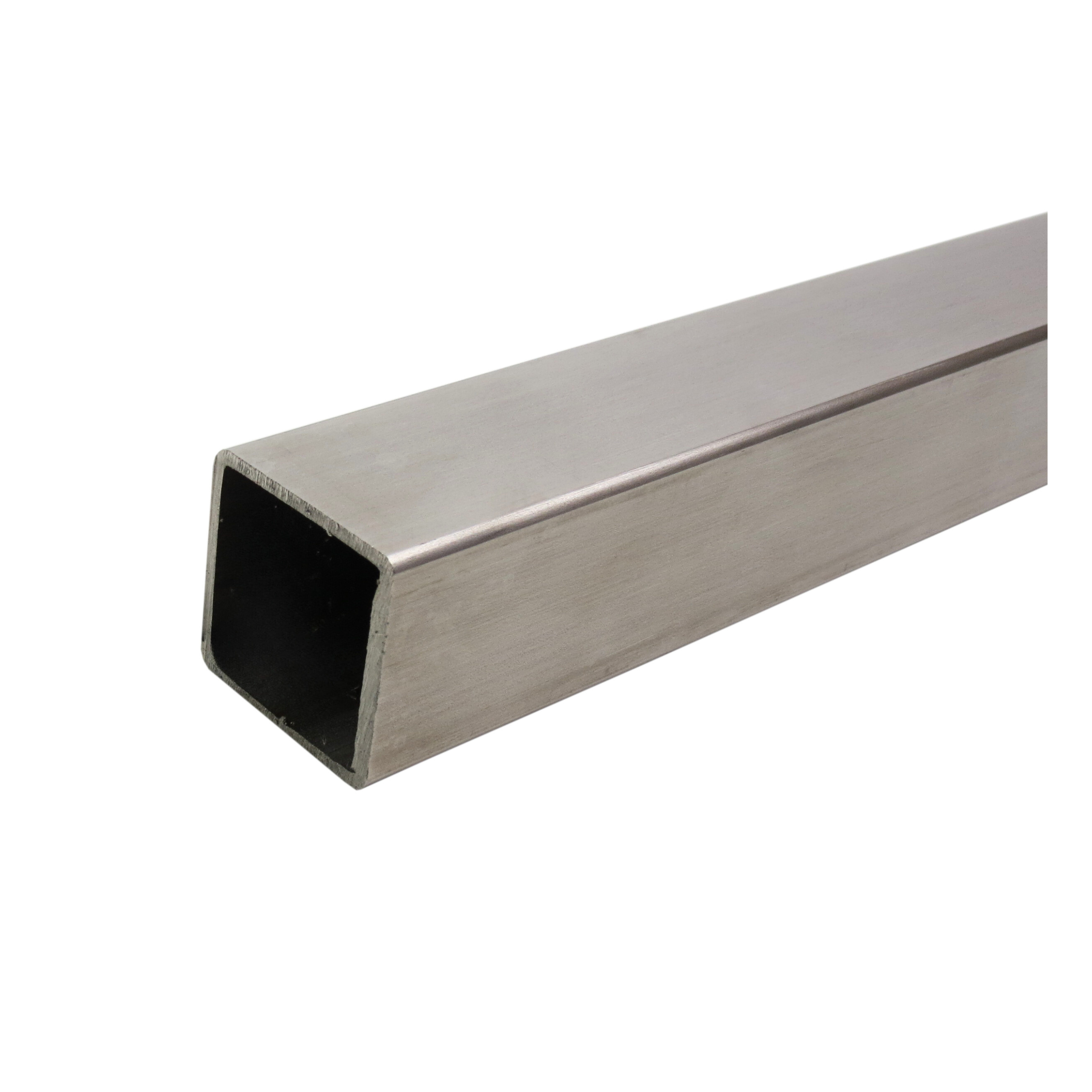
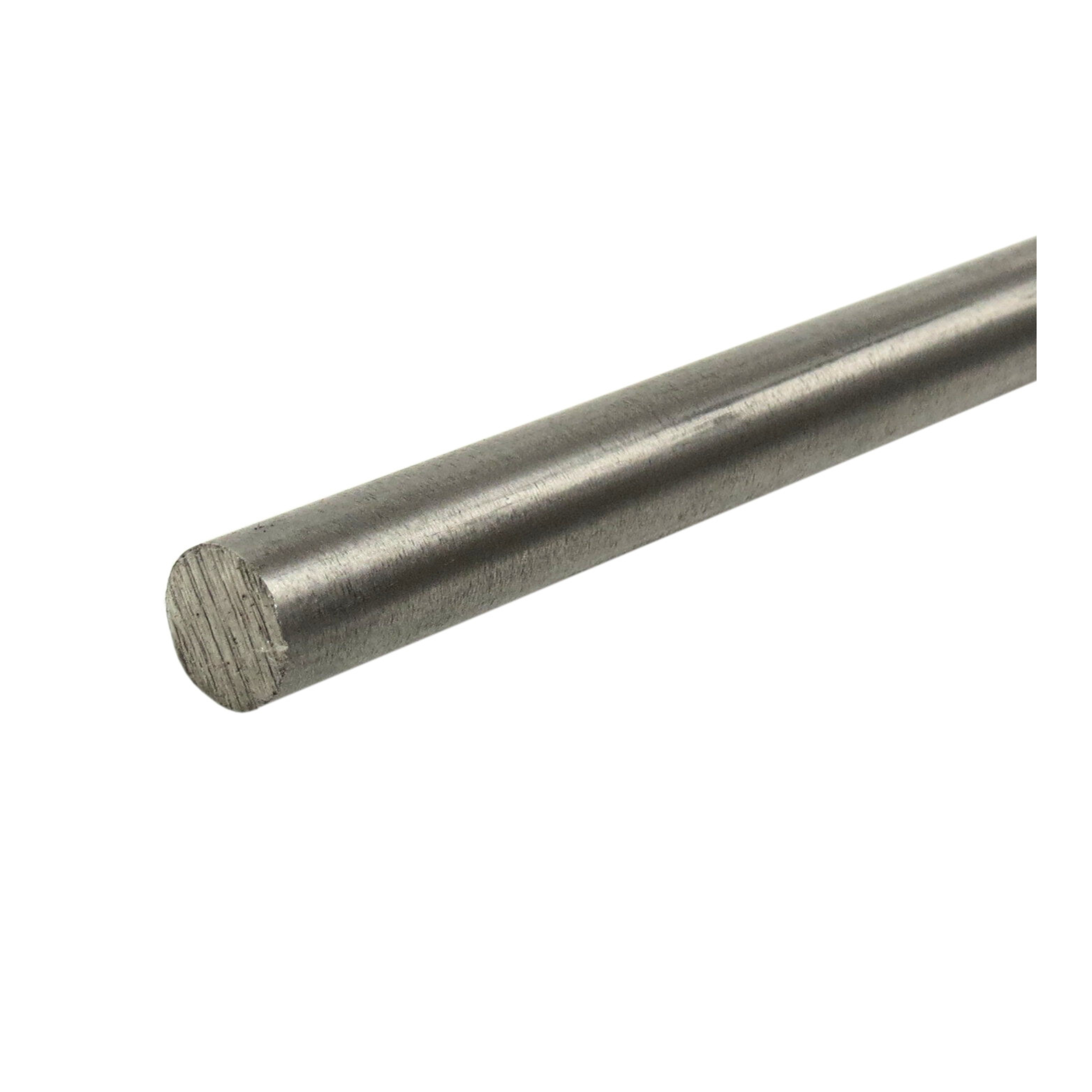
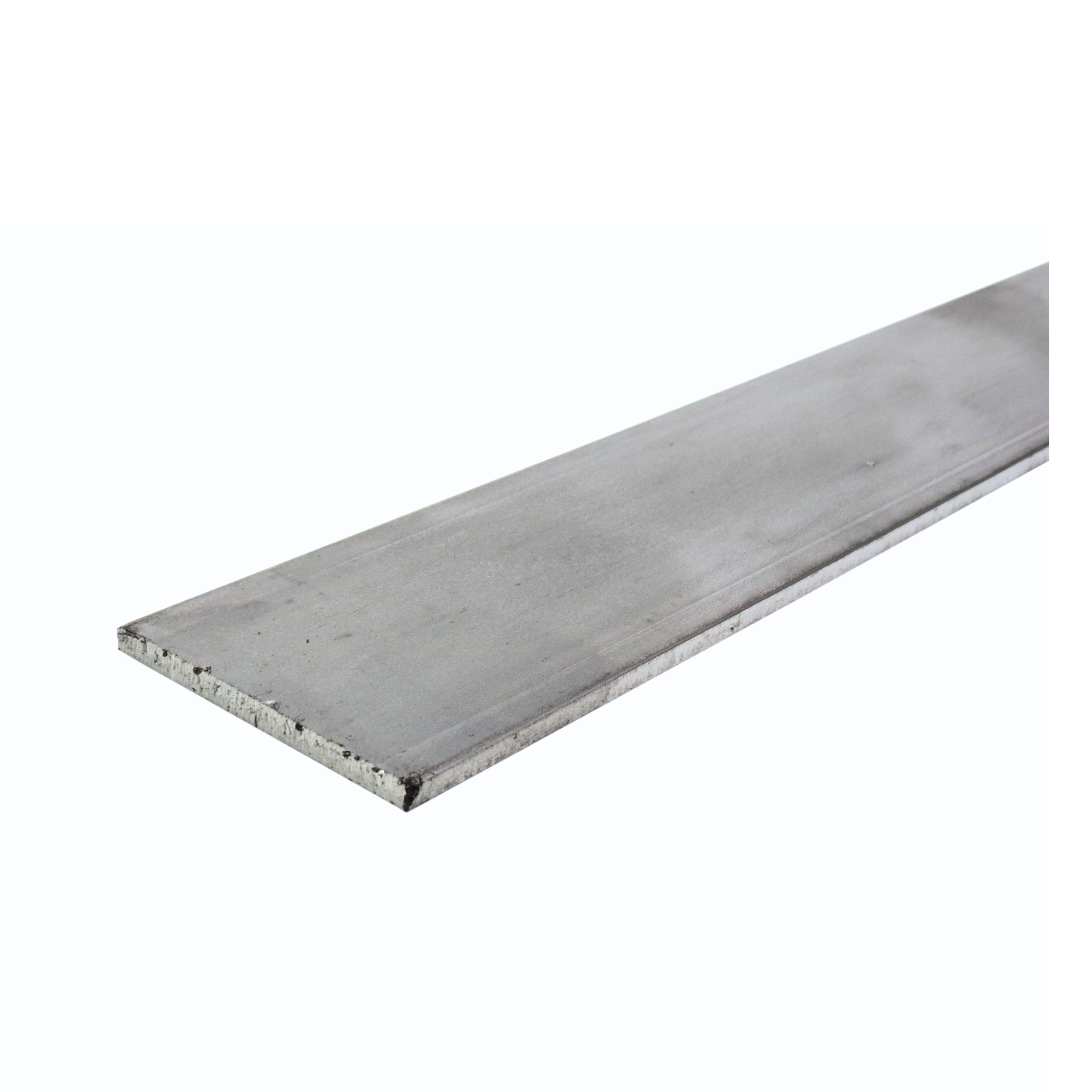
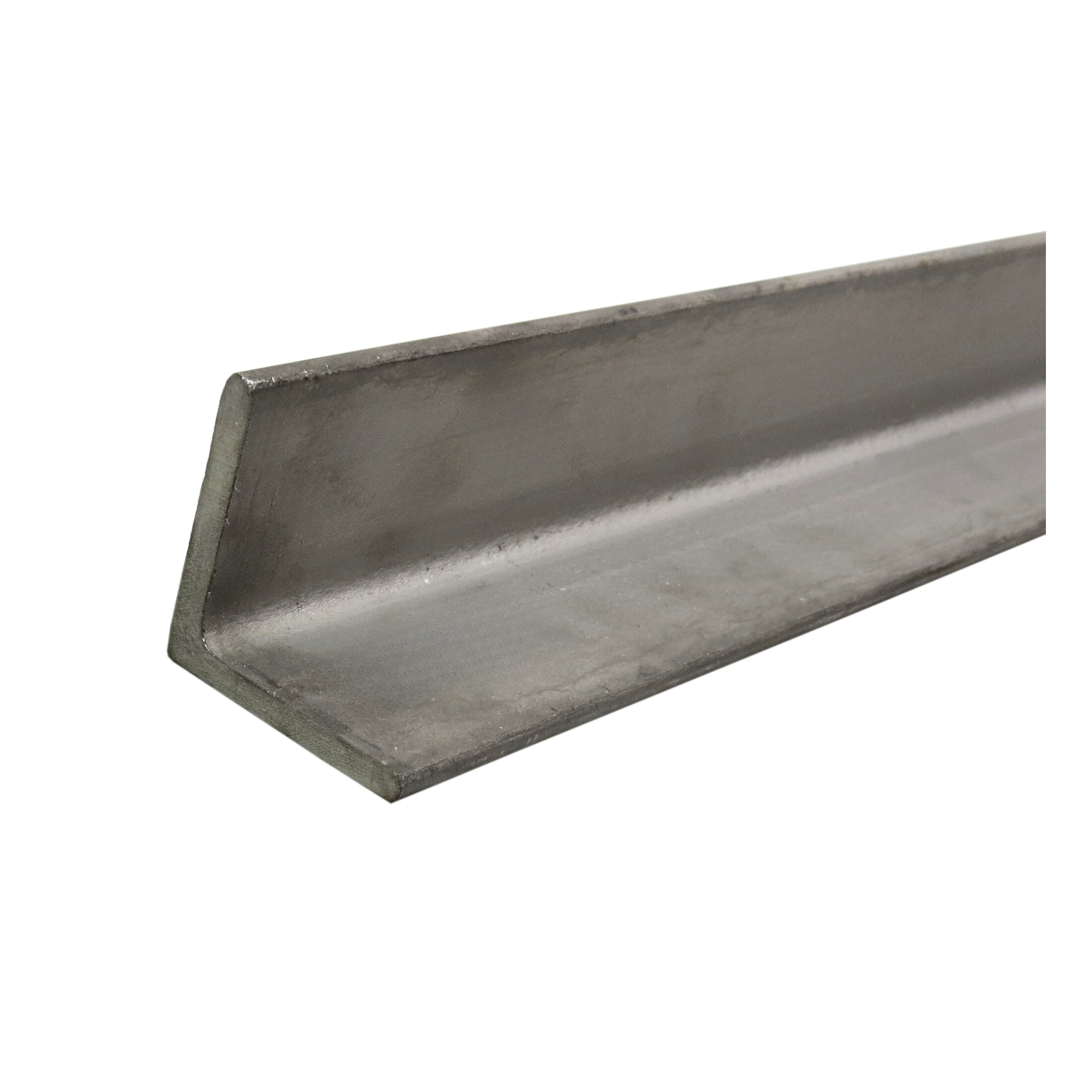
- stainless steel stock: sheet and plate, tube, round bar and flat bar, box section, angles and other sections;
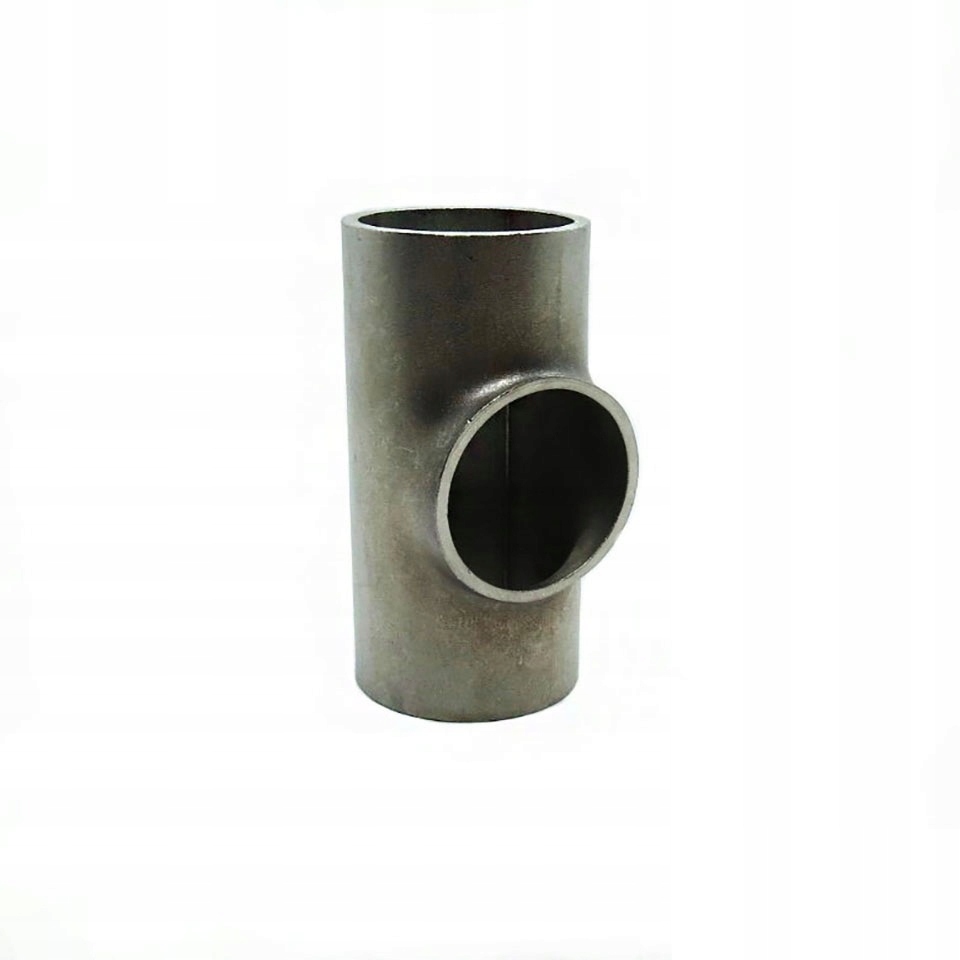
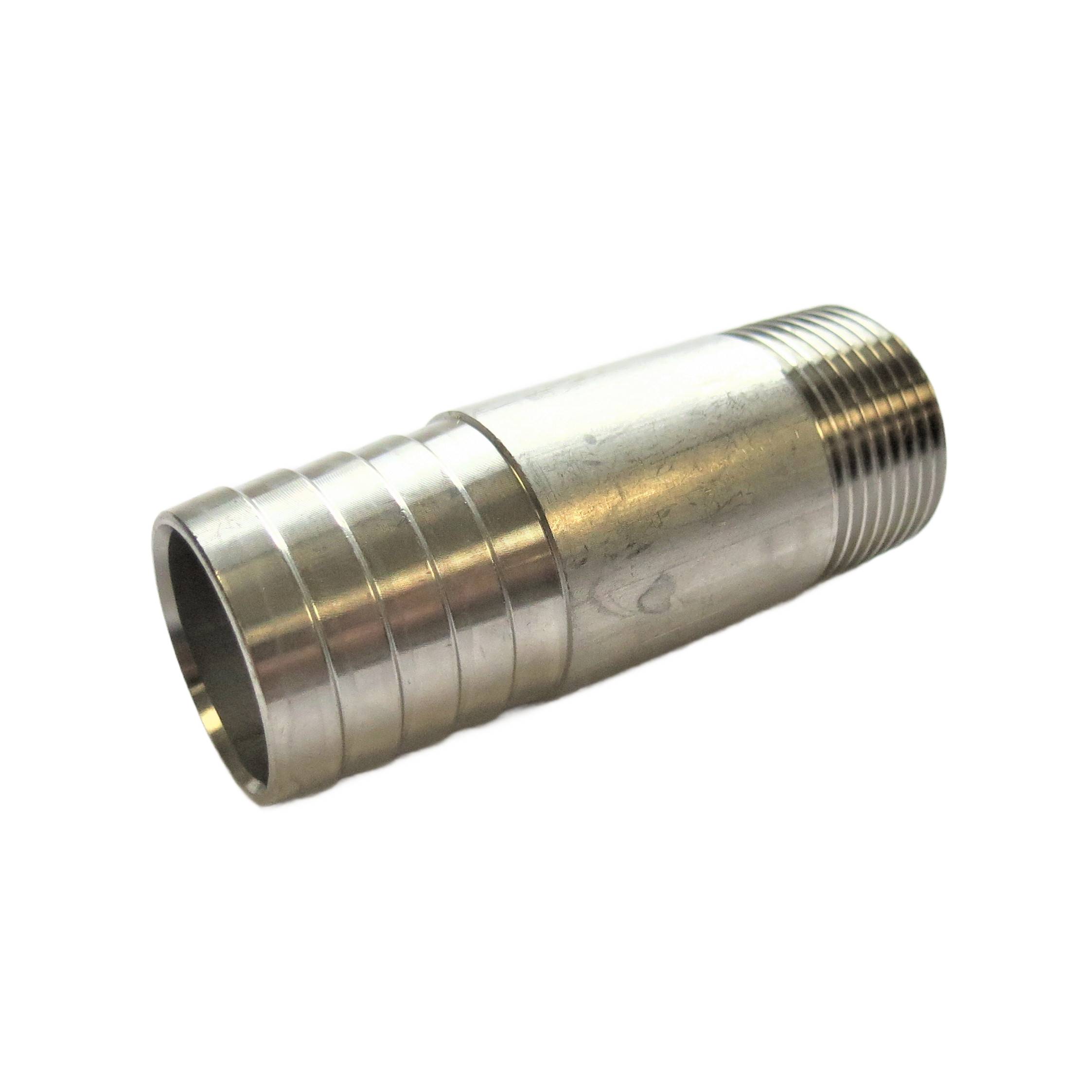
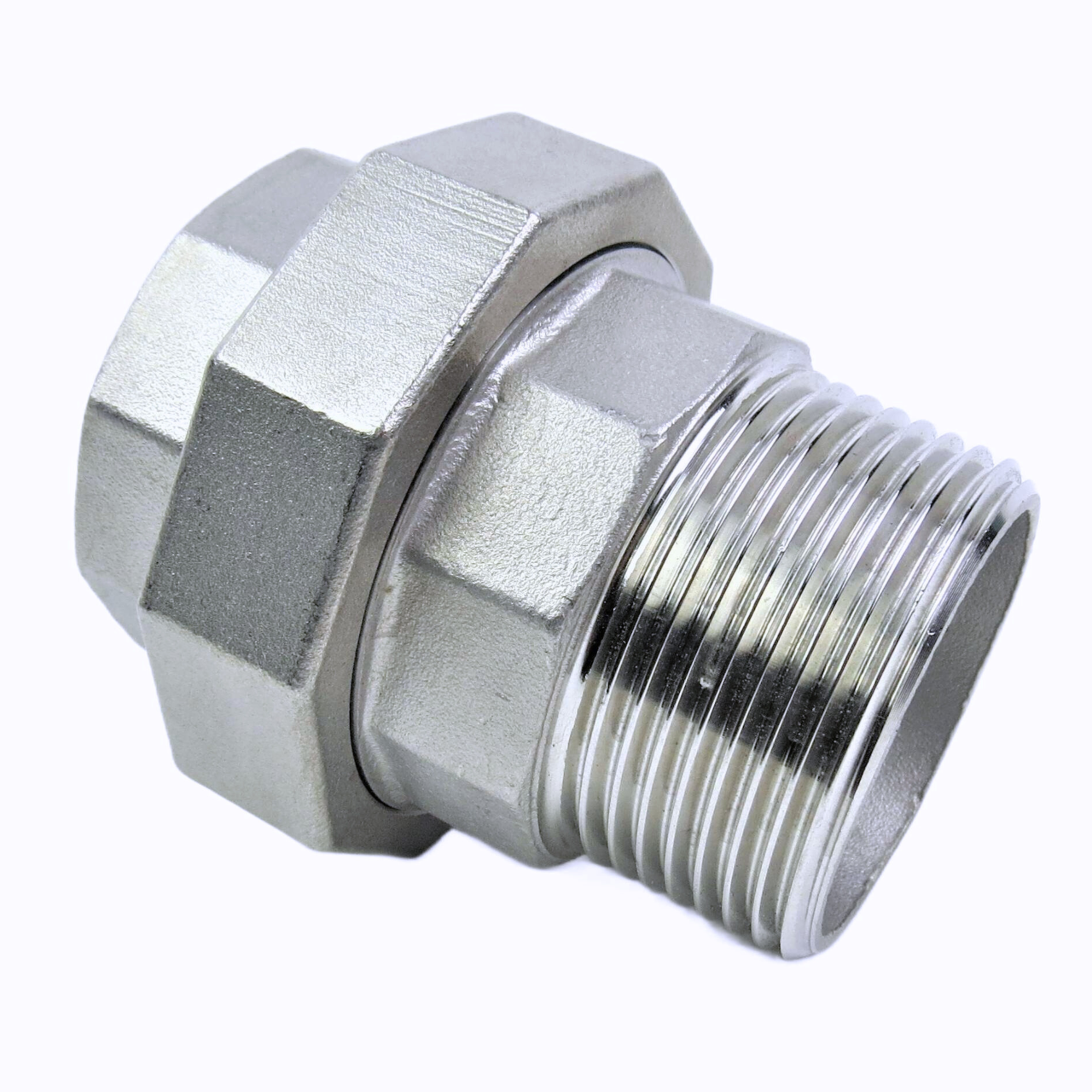
- fittings – butt-weld and threaded;
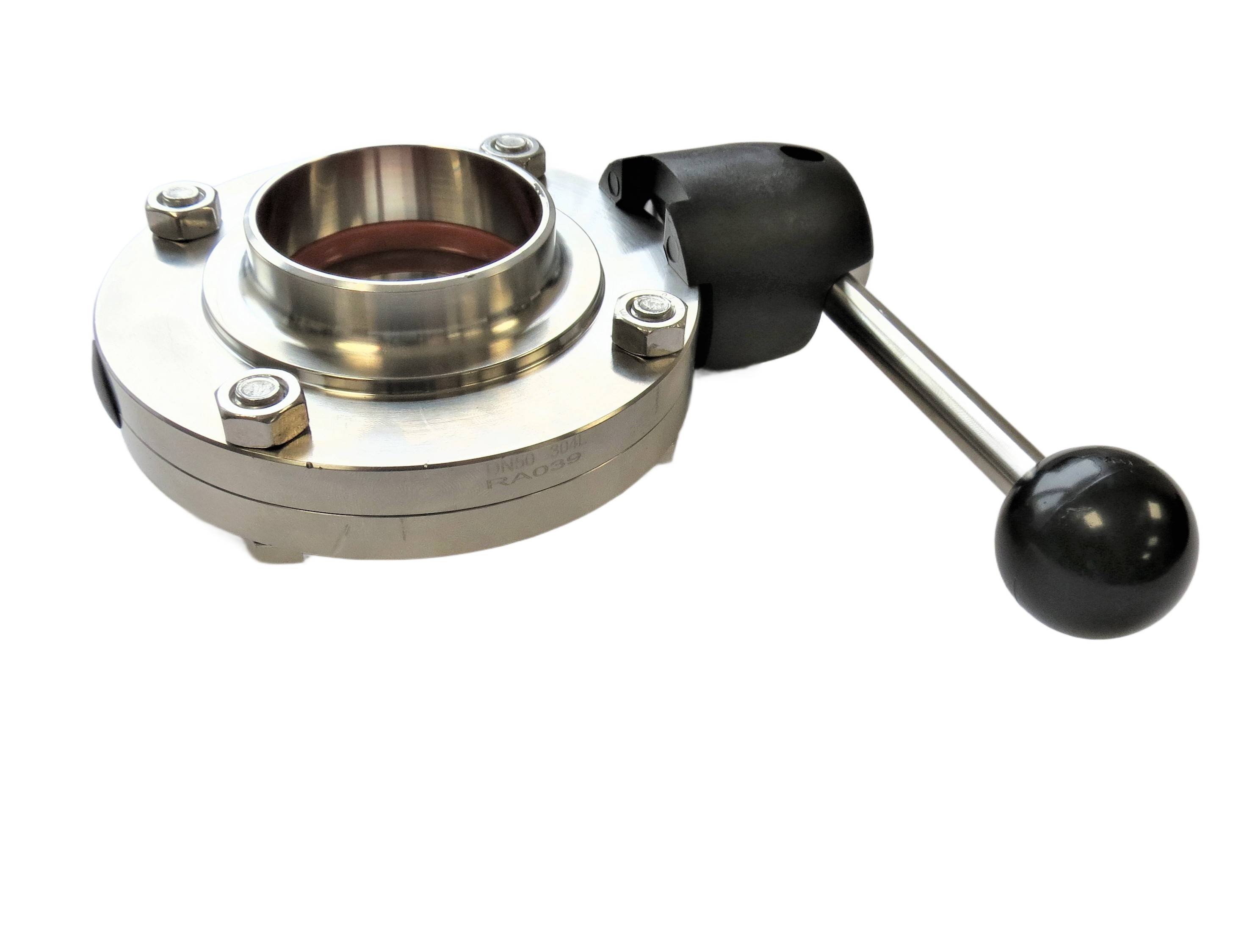
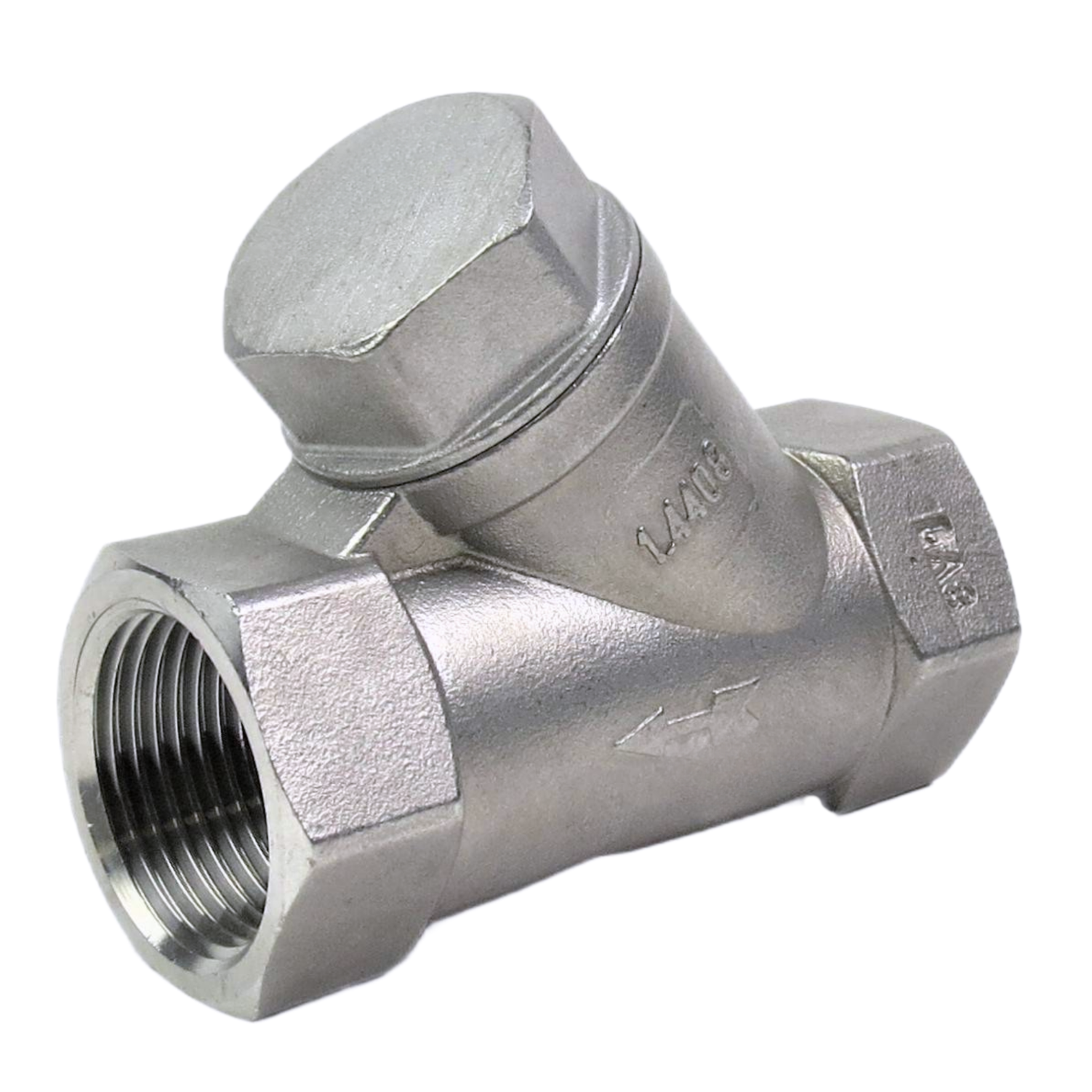
- valves and mesh strainers;
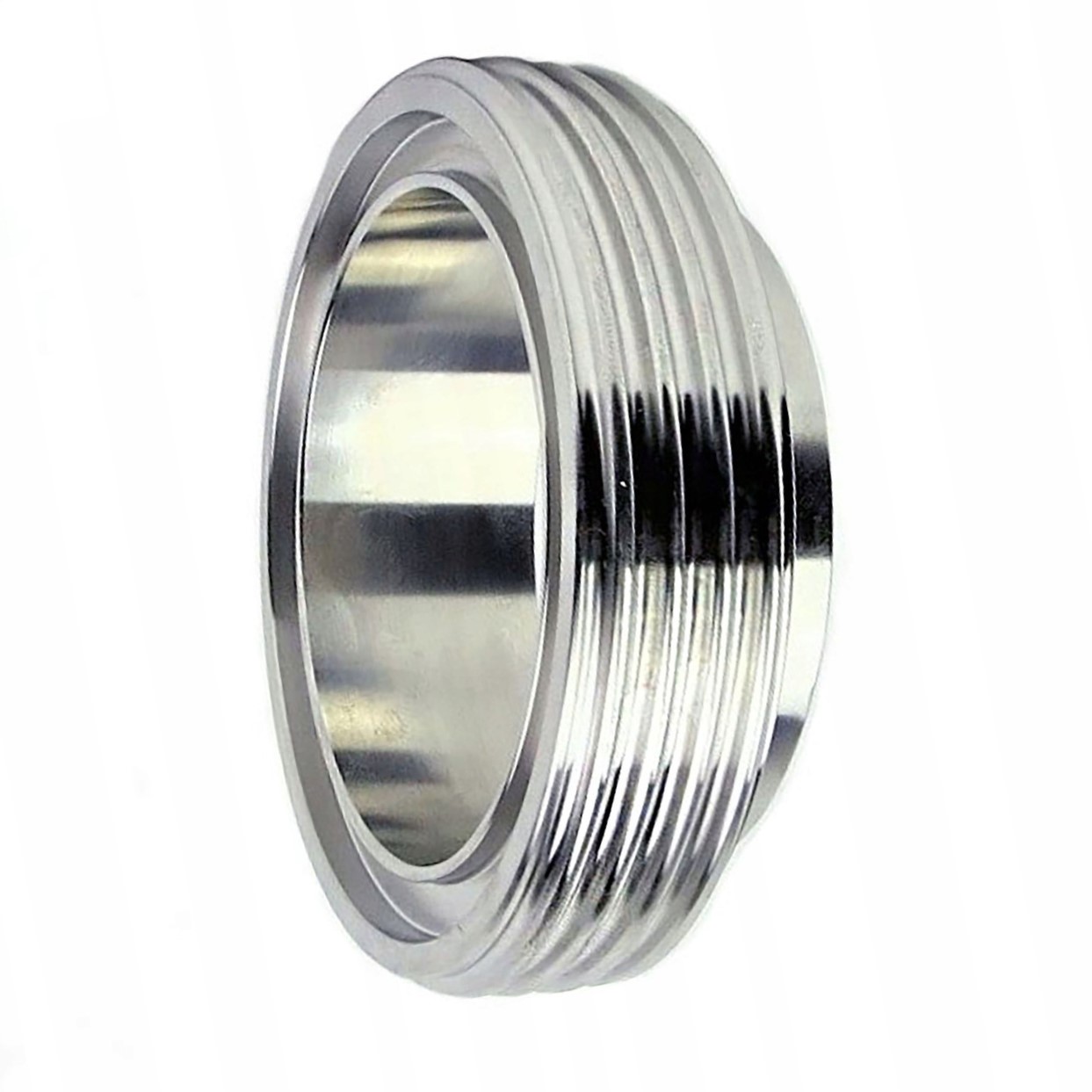
- hygienic fittings and unions;
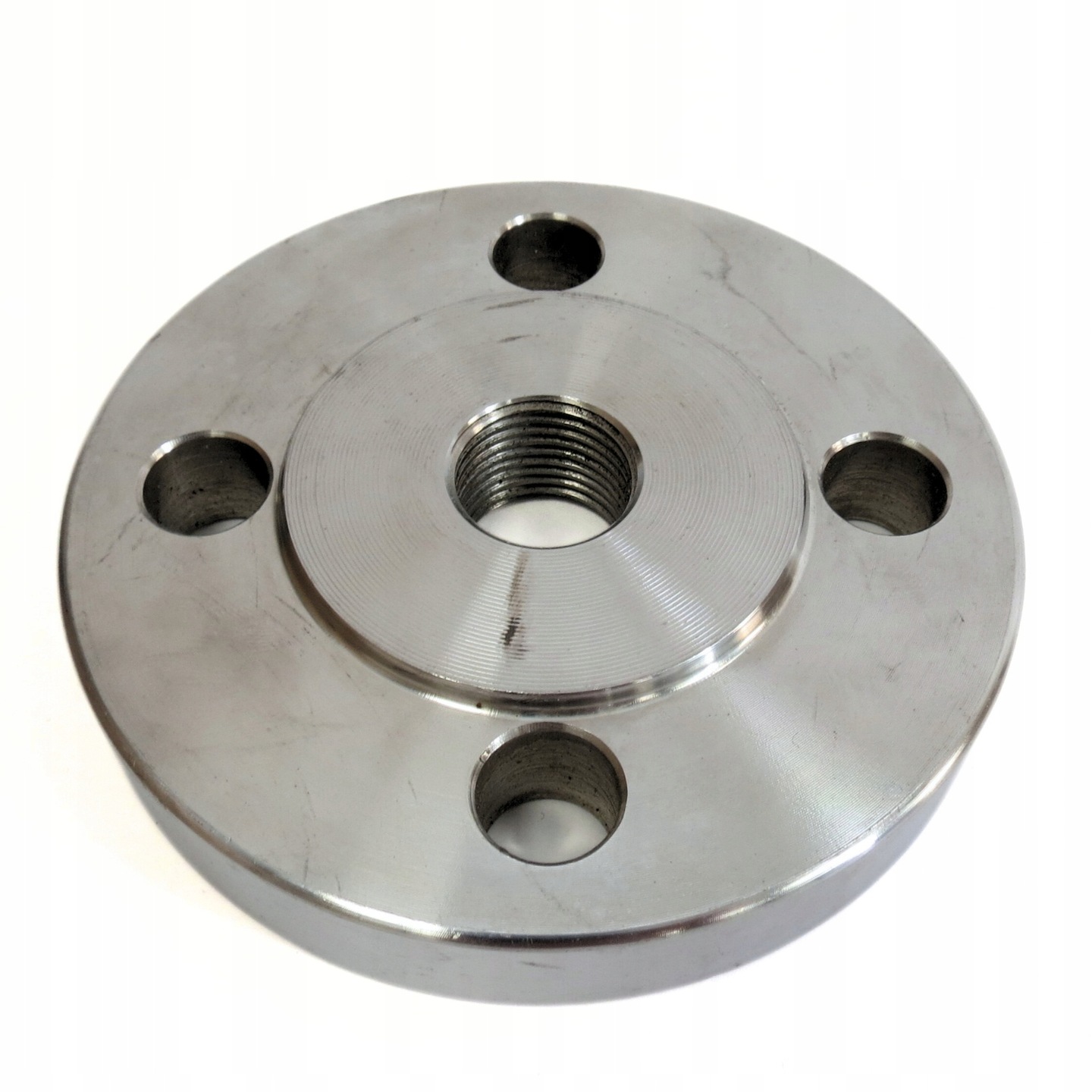
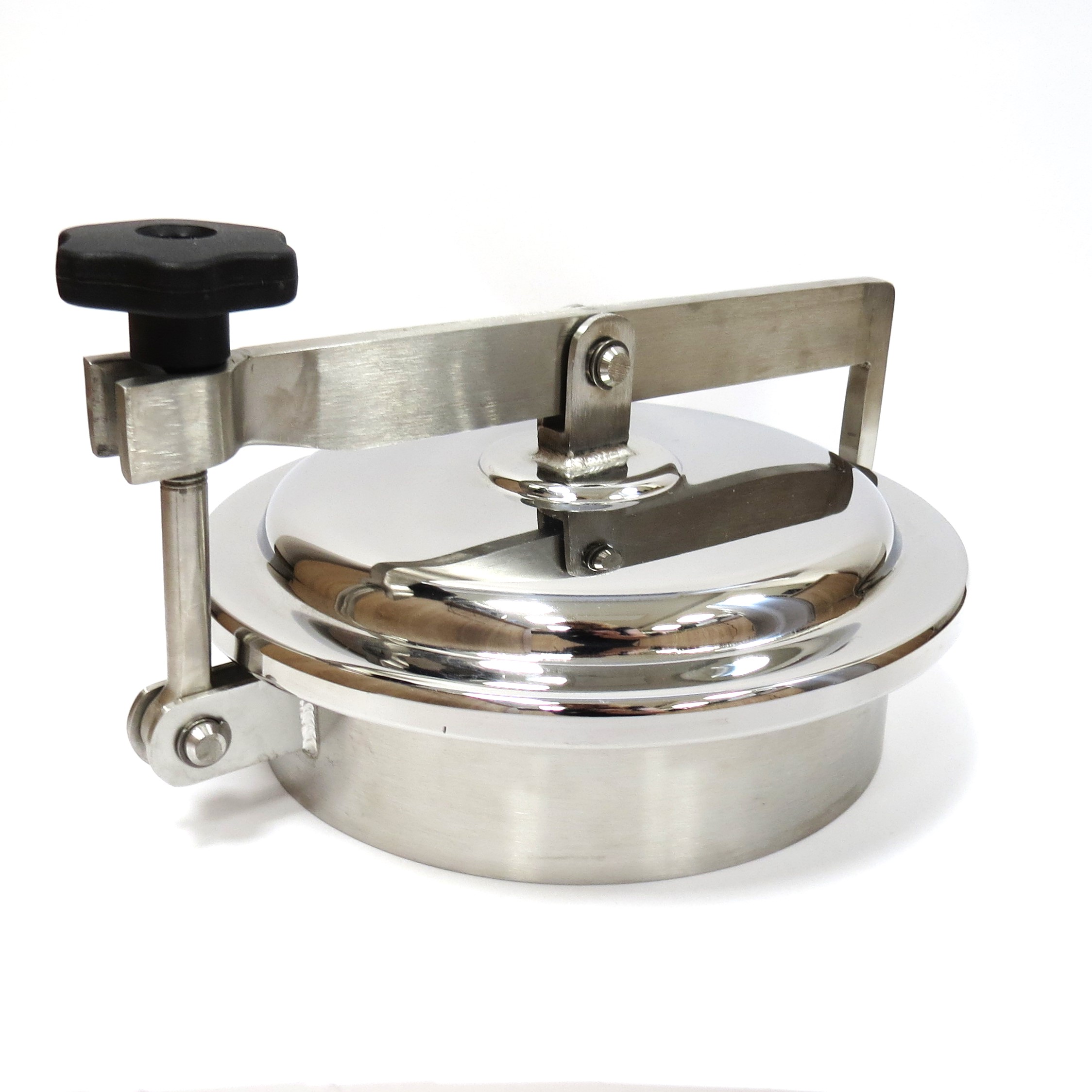
- flanges and hand hole covers.
Most items in these groups are grade 304 or 316, including dual-certified 304/304L and 316/316L. Not sure whether a certificate is available for a particular item? Ask our customer service team before you order.
How to request a 3.1 certificate
- For a single product – on the product page, tick ‘Add inspection certificate 3.1 (free of charge)’ before adding the item to your basket.
- For the whole basket – in the basket, tick ‘Inspection certificates 3.1 for all products (free of charge)’. The same option is available in the first step of checkout. While it is ticked, products you add later also get a certificate.
- Check your order – each line with a certificate is marked ‘Inspection certificate 3.1: Yes (free of charge)’. You can see this in the basket and in the order confirmation.
We currently deliver within Poland only, and prices are in Polish złoty (PLN) with Polish VAT at 23%. With a business account you see prices excl. VAT. You can also collect your order free of charge from Dębica (ul. Rzeszowska 139) or Mielec (ul. Racławicka 6), Poland; collection orders are paid in advance. See delivery for details. For questions about documents for a particular item, call customer service on +48 533 251 824 (Monday to Friday, 7am to 3pm Polish time) or email bok@jannierdzewny.pl.
Stainless steel tube and sheet with a 3.1 certificate
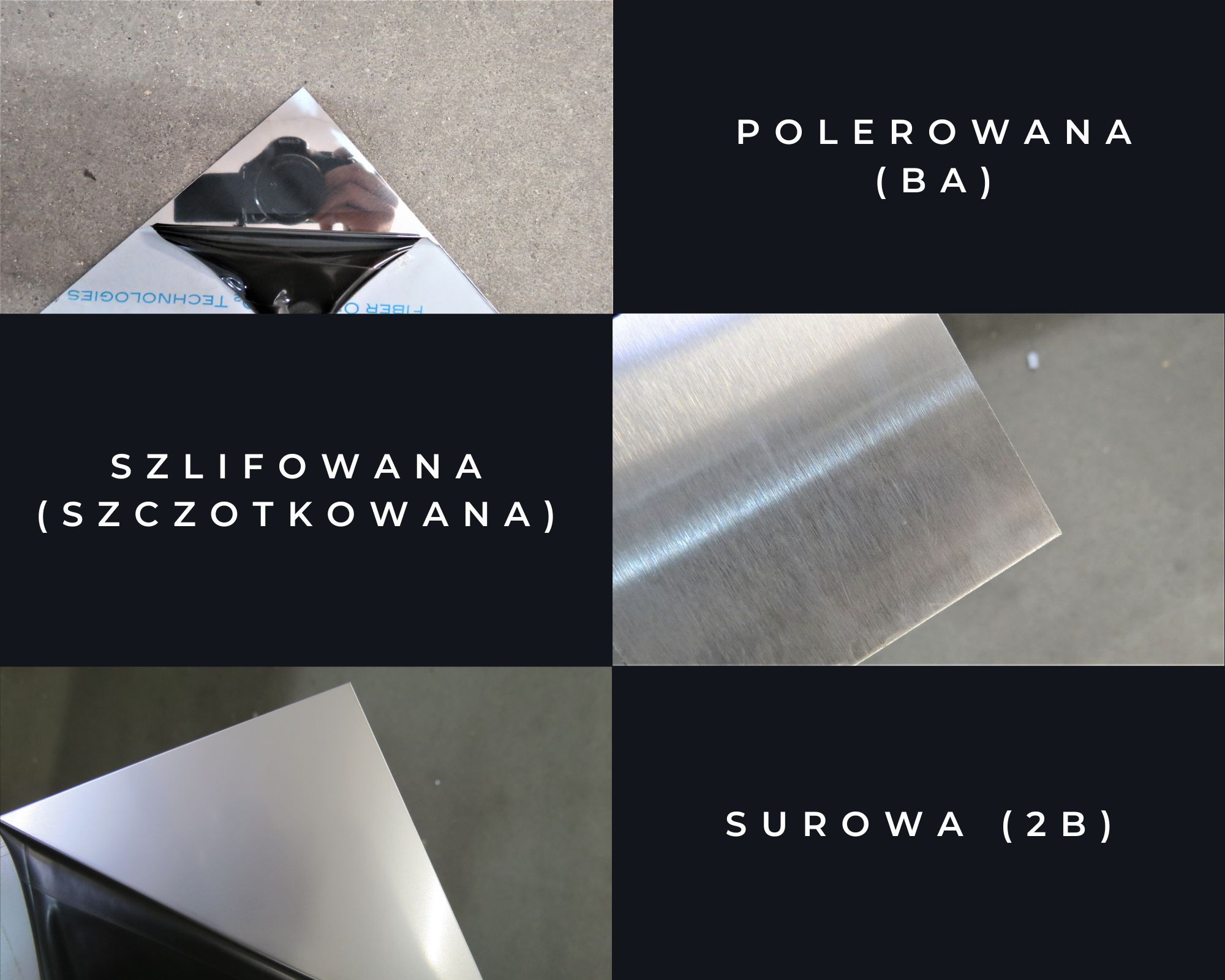
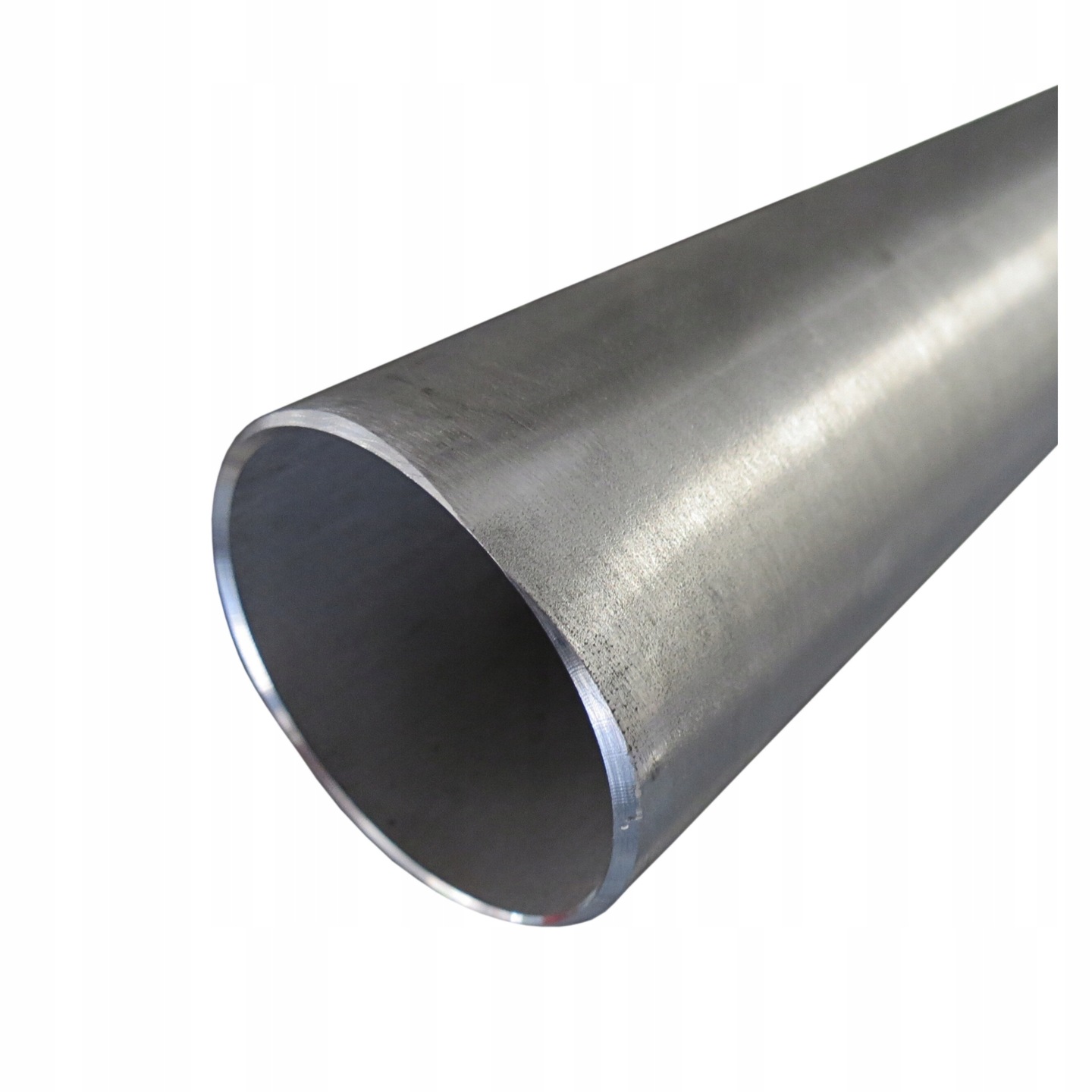
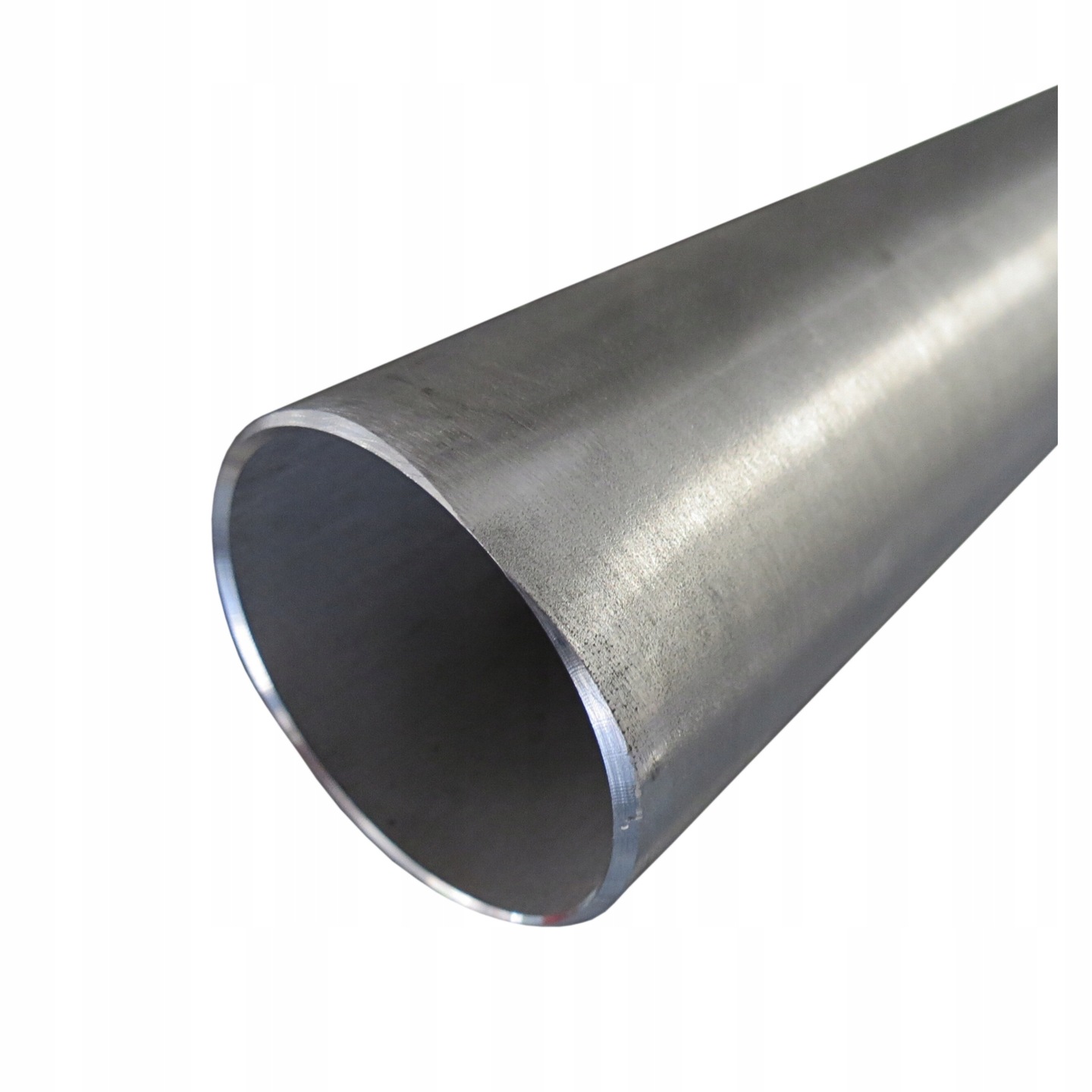
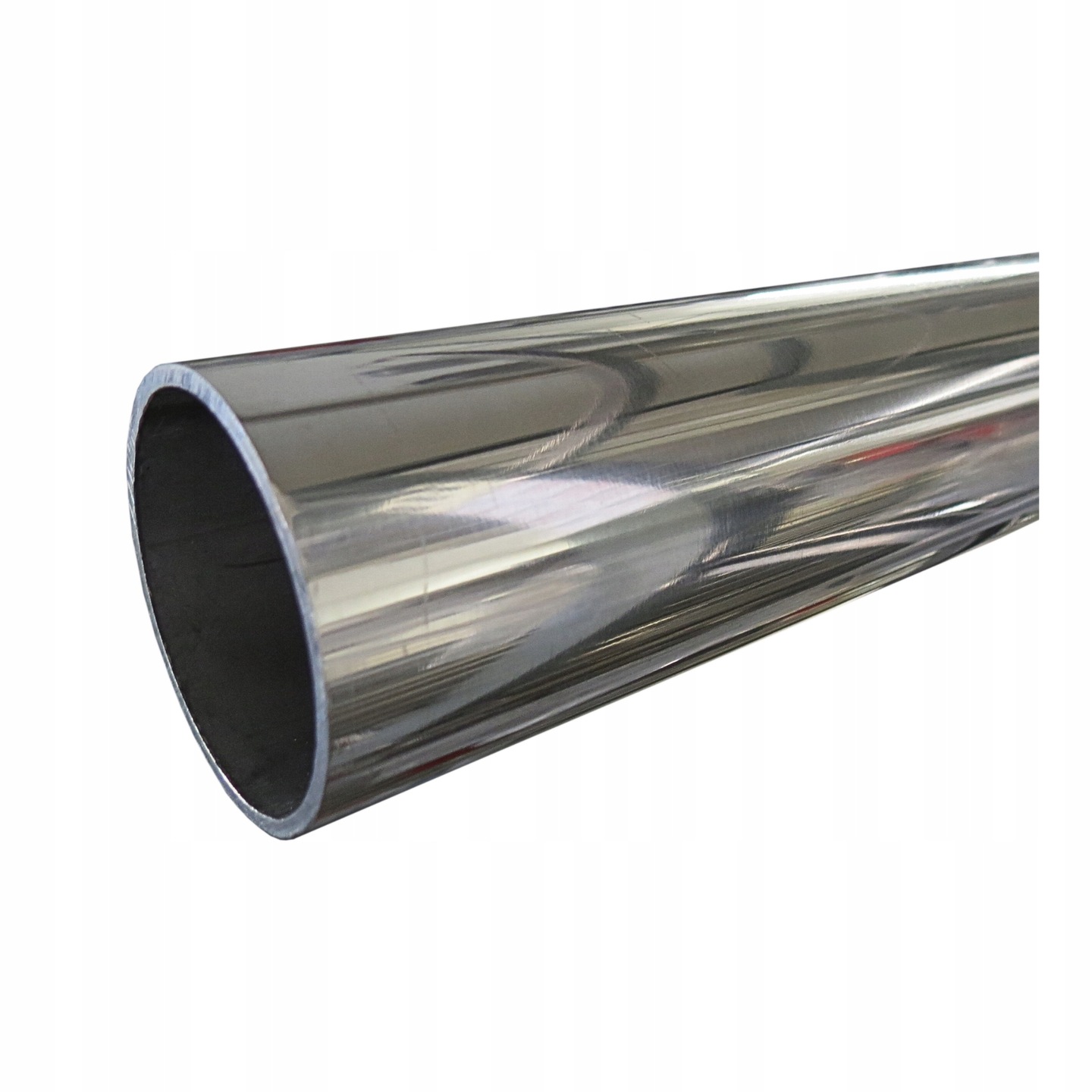
Tube and sheet are part of our stainless steel stock range, where a certificate is most often available. Tick the certificate option on the product page or for the whole basket. Below is a selection of welded tube and sheet from our range.
Rura 101,6x1,5 poler gat. 304/304L
In stock · 5 m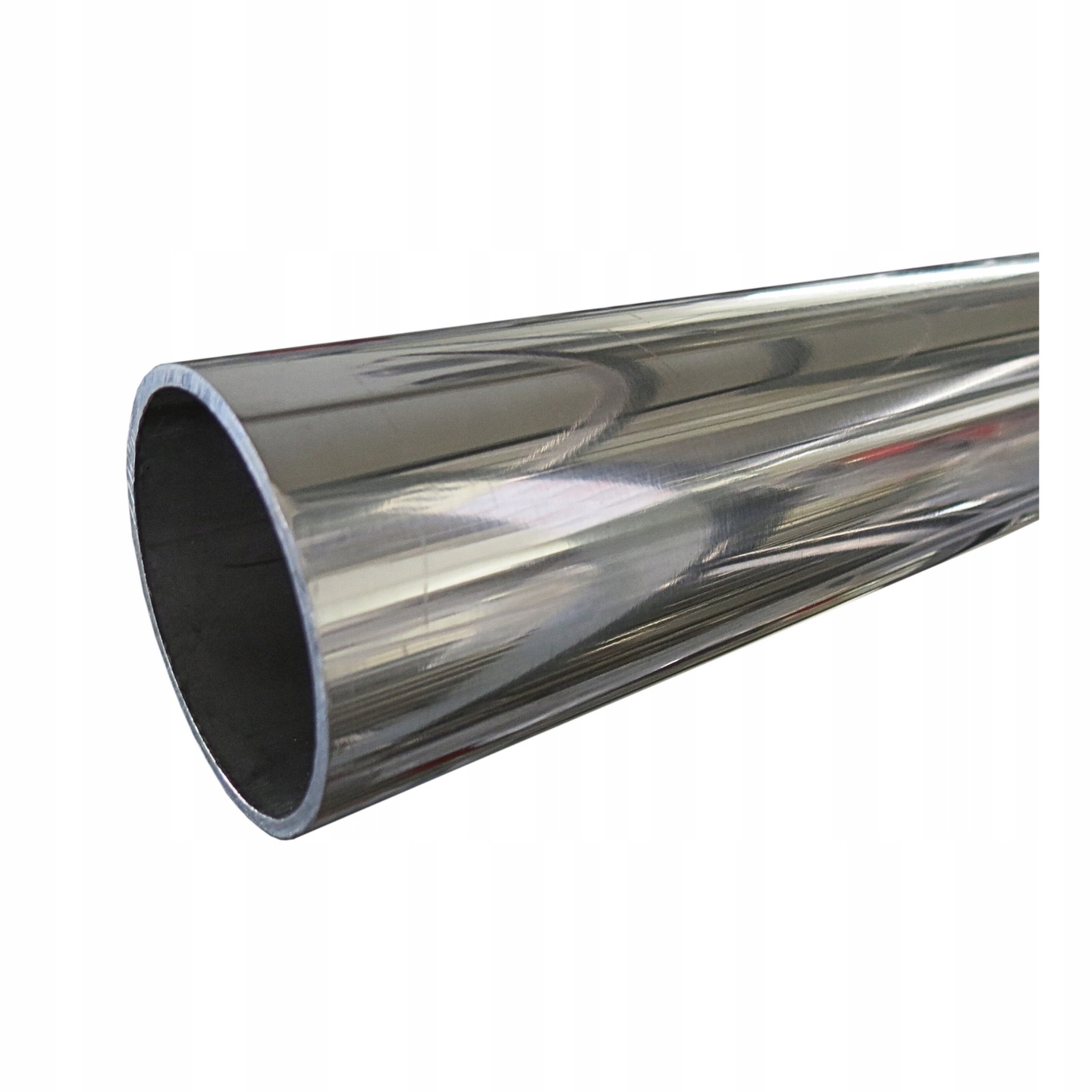
Rura 101,6x2 poler gat. 304
In stock · 16 m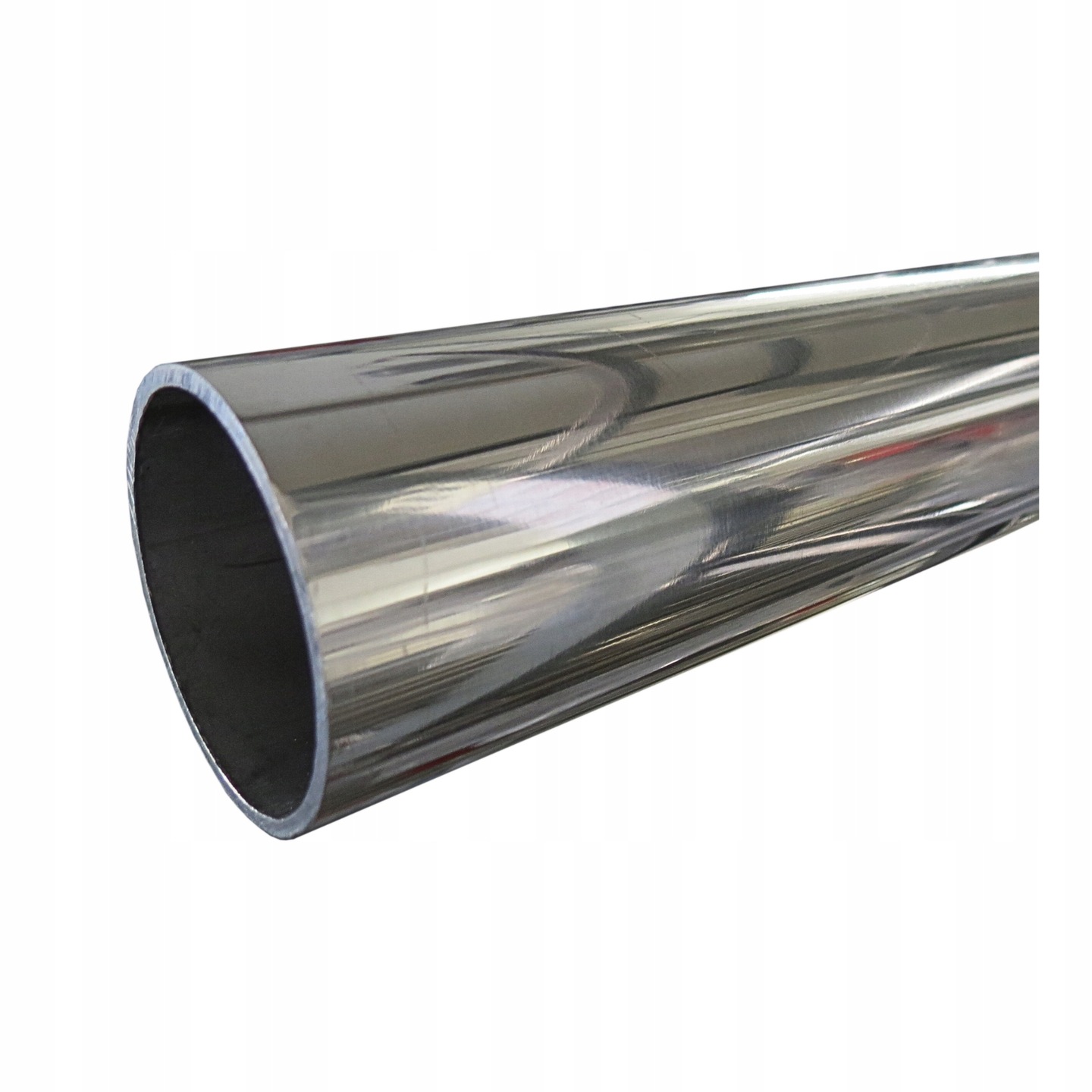
Rura 104x2 poler gat. 304
Only 1 m left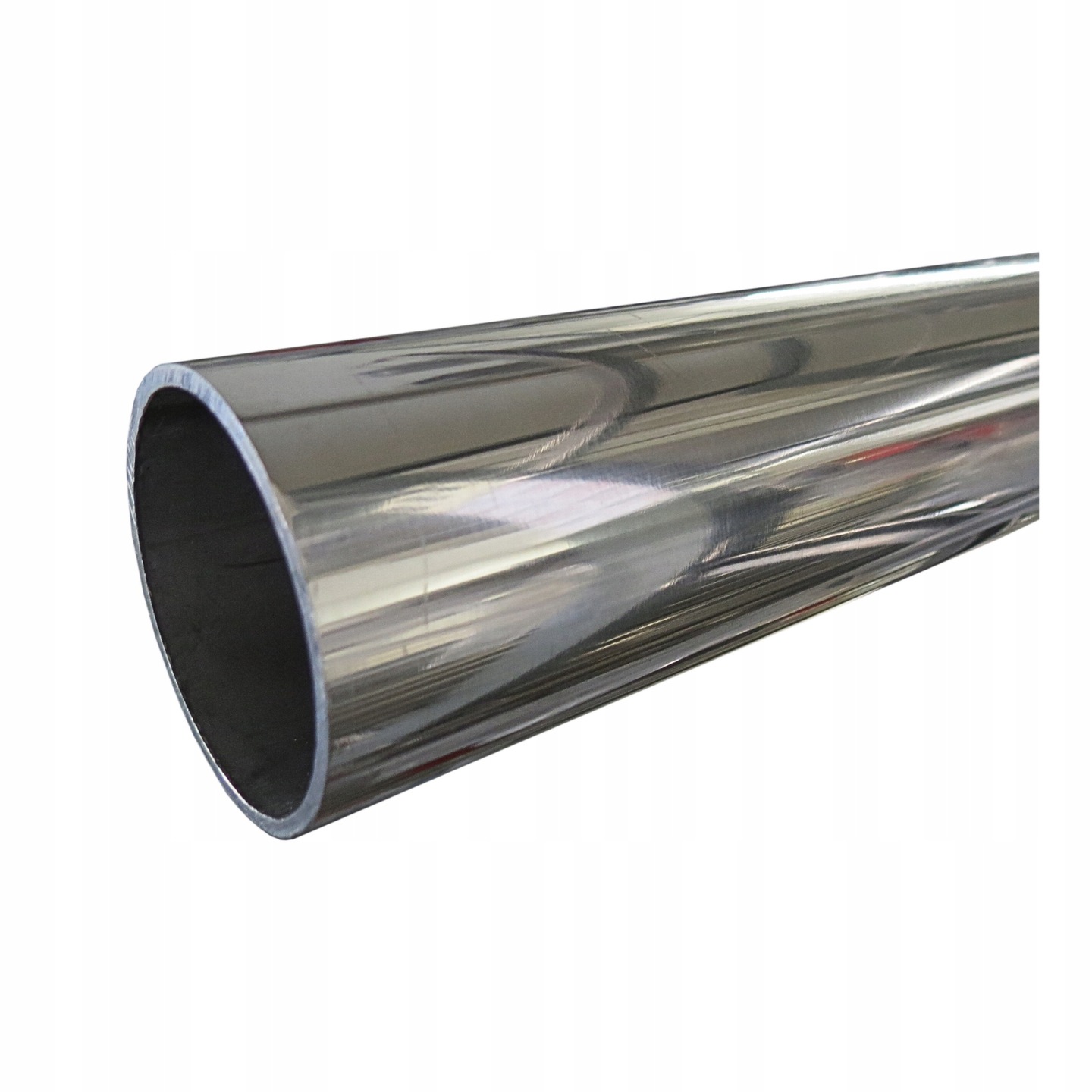
Rura 10x1 poler gat. 304
Only 1 m left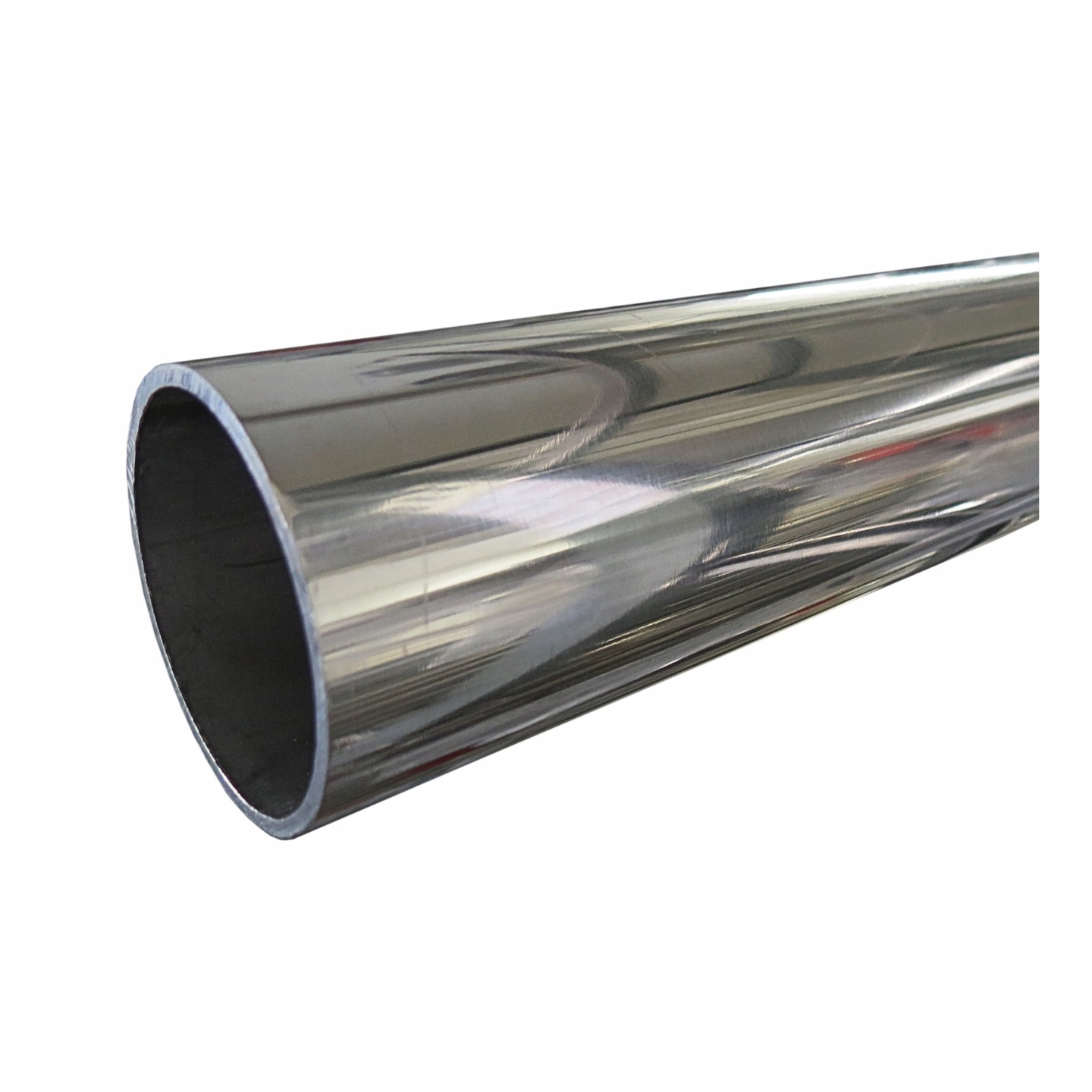
Rura 12x1,5 poler gat. 304
In stock · 788 m
Rura 14x1,5 poler gat. 304
In stock · 109 mRura 168,28x7,11 SCH40S gat. 316L
Only 2 pcs left
Rura 16x1,5 poler gat. 304
In stock · 1119 mBlacha 0,5x1000x2000 2B+ folia gat. 304
In stock · 27 pcs
Blacha 0,5x1000x2000 2B+ folia gat. 316
Only 1 pcs left
Blacha 0,5x1000x2000 2B+ folia gat. 316L
In stock · 5 pcs
Blacha 0,5x1000x2000 BA+ folia gat. 304
In stock · 11 pcs
Blacha 0,5x1000x2000 BA+ folia gat. 430
In stock · 8 pcsBlacha 0,5x1000x2000 czarna DC01
Only 2 pcs leftBlacha 0,5x1000x2000 szlif+ folia gat. 304
In stock · 19 pcs
Blacha 0,6x1000x2000 2B+ folia gat. 304
In stock · 10 pcs3.1 certificate: frequently asked questions
What is a 3.1 material certificate?
It is an inspection certificate 3.1 under EN 10204. It states that the product complies with the order and gives the results of specific inspection. It is validated by the manufacturer’s inspection representative, who is independent of the manufacturing department.
What is the difference between 3.1, 2.2 and 3.2 certificates?
A 2.2 test report gives the results of non-specific inspection and is validated by the manufacturer. 3.1 and 3.2 certificates give the results of specific inspection. A 3.1 certificate is validated by the manufacturer’s inspection representative, independent of the manufacturing department. A 3.2 certificate is additionally validated by an inspector authorised by the purchaser or designated by the official regulations.
Is a mill test certificate the same as a 3.1 certificate?
Not necessarily. The term in EN 10204 is ‘inspection certificate 3.1’; in the trade you will also see ‘3.1 certificate’ and ‘mill cert 3.1’. ‘Mill test certificate’ (MTC) on its own does not state the type – check it on the document. In Polish the 3.1 certificate is the ‘świadectwo odbioru 3.1’ (commonly ‘atest 3.1’), in German the ‘Abnahmeprüfzeugnis 3.1’.
Is a 3.1 certificate enough for pressure equipment (PED)?
Directive 2014/68/EU does not name type 3.1. For the main pressure-bearing parts of equipment in categories II, III and IV, it requires a certificate of specific product control. Agree the document type required for your equipment with its designer and state it on your order.
Where can I find a 3.1 certificate template or sample?
EN 10204 defines the types of document, and EN 10168 describes the information given in inspection documents for steel products. Instead of a template, use the checklist in the section ‘What a 3.1 certificate should contain’. The key points are: type 3.1 and EN 10204 stated on the document, the grade, the test results and validation by the manufacturer’s inspection representative.
Does a 3.1 certificate approve stainless steel for food contact?
No. A 3.1 certificate confirms the material grade and test results. Approval for food contact is a separate document, such as the Polish PZH hygiene certificate. In our shop some catering equipment comes with one – this is stated in the product description.
How much does a 3.1 certificate cost, and can I get one for every product?
The certificate is free of charge, but it is not available for every product. On request, we include a copy of the 3.1 certificate with goods for which the manufacturer issues one. This most often applies to stainless steel stock, fittings, valves, mesh strainers, hygienic fittings, unions, flanges and hand hole covers.
Need a different size, a larger quantity or cutting services? Send us an enquiry and we will reply with a quote, usually within one working day.