

Stainless steel welding and fabrication – structures, balustrades and tanks
Our stainless steel welding services cover laser, TIG (141) and MIG/MAG welding – from welding-only jobs on parts you supply to complete bespoke stainless steel fabrication: structures, balustrades, tanks, commercial catering equipment and industrial installations. Our workshop is at ul. Rzeszowska 139, Dębica (Poland). This page covers our welding processes, the weldability of the common grades, filler metal selection (including welding 304 to 316 and stainless steel to mild steel), shielding gases and starting parameters for TIG and MAG, heat tint removal and the information we need to quote.
Welding processes and materials
Our services include laser and TIG welding, as well as laser cutting and sheet bending, among others. The process numbers in the table are the reference numbers from EN ISO 4063, the standard for the nomenclature of welding processes.
| Process | EN ISO 4063 no. | When we use it (as described on our service page) |
|---|---|---|
| Laser welding (solid-state laser) | 521 | Thin and medium-thickness material. Faster, with a narrower, neater weld and minimal effect on the surrounding material. |
| TIG | 141 | Very high weld quality, and more versatile across different thicknesses and shapes. Also used for thicker parts and load-bearing structures. |
| MAG (metal active gas) | 135 | Thicker parts and load-bearing structures. |
| MIG (metal inert gas) | 131 | Thicker parts and load-bearing structures. |
Materials we weld, according to our service page:
- stainless steel: AISI 430, 304, 304L, 316 and 316L – see our page on stainless steel grades;
- mild and structural steel: S235, S355, DC01;
- aluminium: mainly 5754 (EN AW-5754, Polish designation PA11) – for the material itself, see aluminium.
Every weld is visually inspected. For weld finishing and other machining or finishing services, please ask – see the range of services on jannierdzewny.pl/uslugi (in Polish). Our full welding service description and FAQ are on jannierdzewny.pl/uslugi/spawanie-laserowe (in Polish).
Certificates and welding documents
Information on our certificates and welding documents: jannierdzewny.pl/certyfikaty (in Polish) – in your enquiry, tell us which documents you need. This might be welding documentation, test reports or CE marking, for example. Listing them up front speeds up your quote.
What we fabricate: structures, balustrades and tanks
Bespoke stainless steel tanks
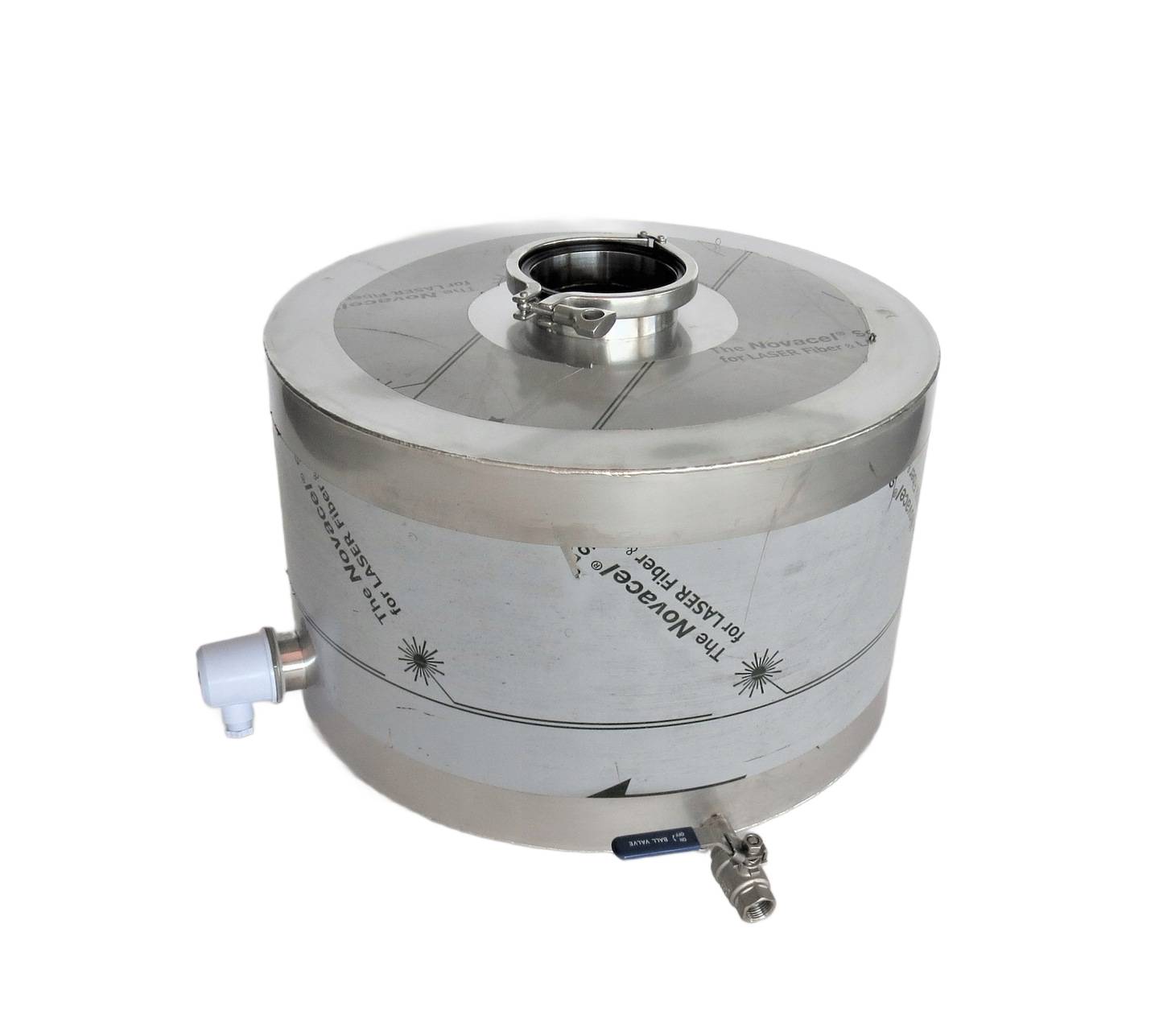
Our stainless steel tank fabrication covers tanks with agitators, jacketed tanks, wine tanks, solar and buffer tanks, thermal storage tanks and domestic hot water tanks. We also have experience with water heaters, manifolds, sedimentation centrifuges and expansion vessels. For food applications we most often use grade 304 (1.4301); for aggressive media and pharmaceutical requirements, 316L (1.4404). We check leak tightness, dimensions and weld quality, and carry out a pressure test on request. An inspection certificate 3.1 for the material is available on request. Ready-made expansion vessels from 4 to 40 litres and a 60-litre keg are in the shop category Nasze produkty > Zbiorniki (Our products > Tanks).
Stainless steel balustrades
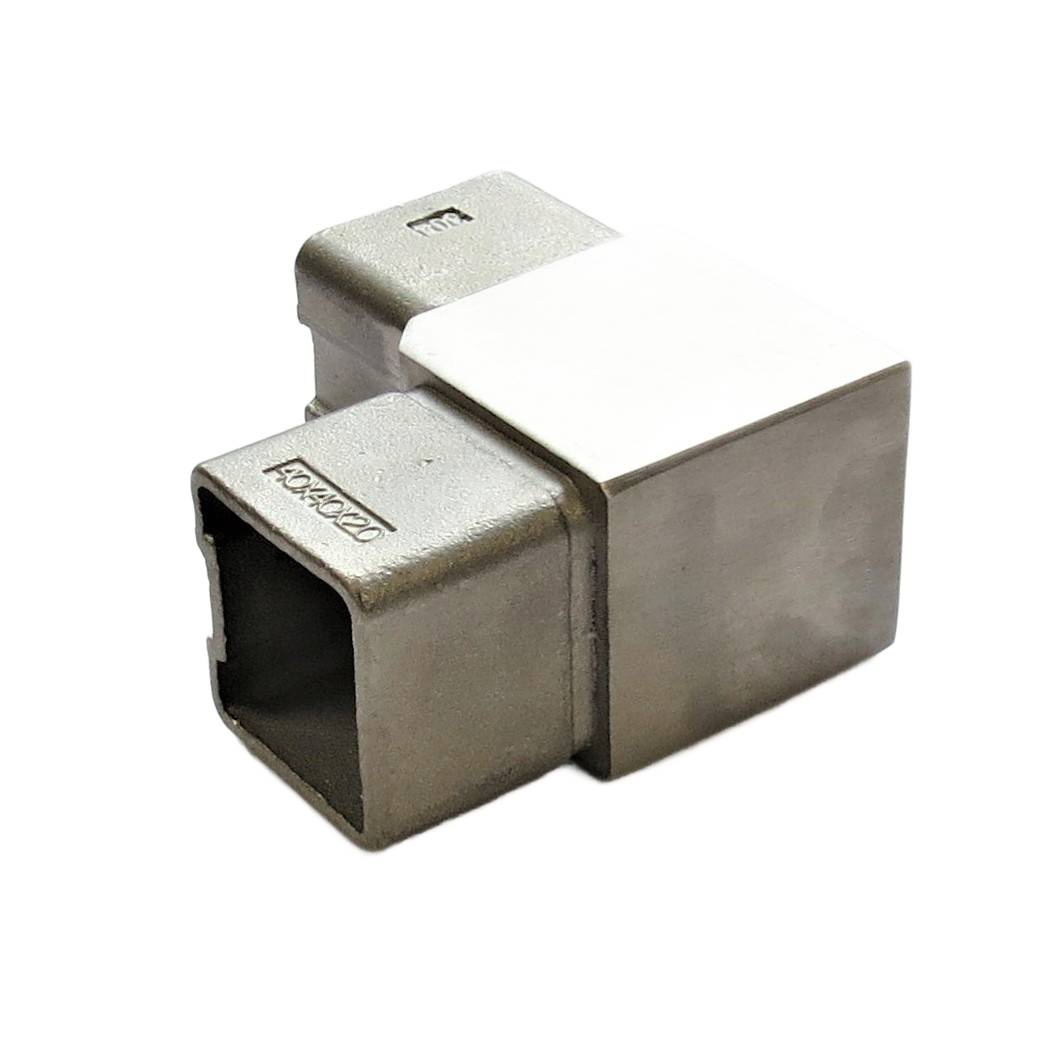
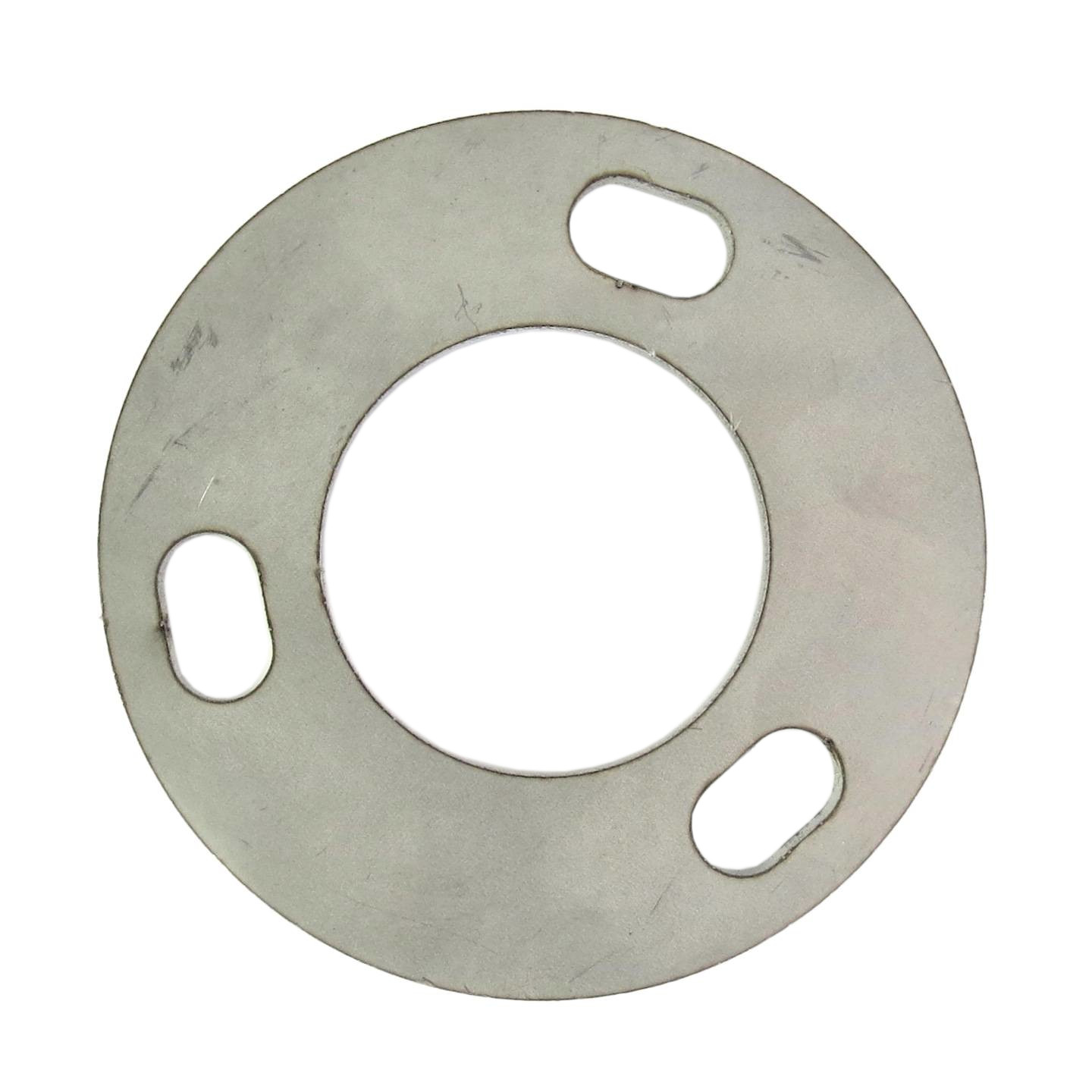
We make staircase and balcony balustrades and fencing. We combine stainless steel with frosted glass, toughened glass or timber, and work with toughened glass suppliers. For outdoor balustrades we recommend grade 304 or 316. If you are fabricating a balustrade yourself, the tube, sections, glass clamps, cover roses and base plates are available in the shop – see stainless steel balustrade components.
In Poland, balustrade dimensions in buildings are set by § 298 of the Polish building regulations (Regulation on the technical conditions to be met by buildings and their location; consolidated text Dz.U. 2022 item 1225, in Polish). The binding dimensions for a particular building are those in its design.
| Building | Min. balustrade height | Max. clear gap in infill |
|---|---|---|
| Single-family house; inside a multi-level dwelling | 0.9 m | not specified |
| Multi-family housing, communal accommodation, education and childcare, healthcare | 1.1 m | 0.12 m |
| Other buildings | 1.1 m | 0.2 m |
The same section requires balustrades to have no sharp-ended components and to withstand the horizontal loads specified in the relevant Polish Standard (PN), and any glass to have increased impact resistance. Handrails on external stairs and ramps must extend 0.3 m beyond them. Any handrail fixed to a wall needs a clearance of at least 0.05 m from it. Before starting a design, check in ISAP (the official Polish legal database) whether the provision has been amended since 2022.
Structures, process equipment and custom fabrication
For industrial installations we build process lines, filters and pump connectors, multi-plane dampers and feeders, mainly in grades 304 and 316. On request we issue material certificates. For catering we make work tables and made-to-measure tables, pass-through and sliding-door cabinets, refrigerated cabinets, sinks and shelving units, most often in grade 304. We cut, bend and weld the parts, then fit feet, hinges, locks and drains. Our past projects also include stills and agitators.
Weldability of stainless steel and filler metal selection
Austenitic grades (304, 316 and their variants) are the most easily weldable stainless steels (TWI). They can be welded by arc and beam processes, are not prone to cold cracking and need no preheat. Oxy-acetylene (gas) welding is the only process not recommended. All austenitic grades are, however, susceptible to hot cracking, particularly fully austenitic grades such as 310. Grades 304 and 316 contain a small amount of delta ferrite (TWI). The weldability of individual grades is given in ISER Merkblatt 822 (in German), Table 11.
| Grade (EN / AISI) | Weldability (MB 822) |
|---|---|
| 1.4301 (304), 1.4401 (316) | up to 6 mm sheet thickness or 20 mm diameter; larger sizes require post-weld heat treatment (solution annealing) |
| 1.4307 (304L), 1.4404 (316L), 1.4541 (321), 1.4571 (316Ti) | no restrictions |
| 1.4016 (430, ferritic) | limited – mainly low heat input processes such as resistance spot and seam welding; welding with filler metal is the exception |
The restriction for 304 and 316 does not mean that thicker parts cannot be welded. Low-carbon and stabilised grades are not restricted, which indicates that the joint resists intergranular corrosion without heat treatment. Outokumpu states that the low carbon content of 316L makes it weldable in thicknesses above 5–6 mm without susceptibility to intergranular corrosion, and that 316Ti, being titanium-stabilised, is weldable in all thickness ranges without becoming susceptible to it. For thicker parts in corrosive service, choose an L grade or a stabilised grade. With ferritic grade 430, keep the heat input and the weld pool small – MB 822 points to the risk of chromium carbide precipitation and grain growth. The shop stocks sheet in 304/304L, 316L and 321 (1.4541), among others.
Choosing filler wire for stainless steel
Stainless steel filler metals broadly match the composition of the parent metal, with modifications depending on the process. Wires and rods are classified in EN ISO 14343 (stainless and heat-resisting steels). Filler metals for the grades sold in the shop, according to MB 822, Table 10:
| Parent metal | Wire or rod to EN ISO 14343 |
|---|---|
| 1.4301 (304) | 19 9 L, 19 9 Nb |
| 1.4307 (304L) | 19 9 L |
| 1.4541 (321) | 19 9 L, 19 9 Nb |
| 1.4401 (316) | 19 12 3 L, 19 12 3 Nb |
| 1.4404 (316L) | 19 12 3 L |
| 1.4571 (316Ti) | 19 12 3 L, 19 12 3 Nb |
Welding 304 to 316
When joining different austenitic grades, such as 1.4301 to 1.4401, the filler for the lower-alloyed grade is usually sufficient (MB 822, p. 23). For 304L to 316L, that means 19 9 L. If the weld will be in contact with the medium for which 316 was chosen, agree the filler with your welding engineer before welding.
Welding stainless steel to mild steel
Stainless steel can be welded to unalloyed or low-alloy (mild) steel by all fusion welding processes (MB 822, Table 11). Keep the joint out of the corrosive zone, or extend the corrosion protection of the mild steel beyond the weld area (MB 822, p. 23). For joining 304 to carbon steel, a type 308 filler can be used, but more highly alloyed type 309 fillers are better (BSSA).
TIG, MIG/MAG, stick and laser welding: gas and settings
Compared with unalloyed steel, austenitic stainless steel has about 50% higher thermal expansion, about 50% lower thermal conductivity and about six times higher electrical resistivity. It therefore needs a noticeably lower welding current and the lowest practicable heat input. This limits distortion and the extent of heat tint. Because of the high expansion, parts must be firmly clamped before welding (MB 822, pp. 23–26). The guidance and values below are general material knowledge and indicative figures from MB 822, not a description of our own procedures. The parameters that apply are those in the welding procedure specification (WPS) and the filler manufacturer’s recommendations.
- TIG (141): DC, electrode negative. Gas: welding-grade argon (99.95%), typically 6–12 l/min. Outdoors, shield the workstation from draughts. After every stop, however short, clean oxides off the weld and tack welds with a stainless steel wire brush.
- MAG (135) – what most welders call ‘MIG welding’: DC, wire positive, 0.8–1.6 mm wire to EN ISO 14343. Gas: argon with 1–3% O2 or with 2.5% CO2 (MB 822 gives the latter for butt joints in sheet of about 6–25 mm). Short-circuit (dip) transfer up to about 2.5 mm thickness, pulsed or spray transfer above that. Keep the wire and joint edges clean, as contamination causes porosity. An O2 or CO2 addition makes the gas active, so under EN ISO 4063 the process is MAG, not MIG.
- Stick (MMA) welding with covered electrodes: rutile electrodes (DC or AC, smoother weld face, easier slag removal) or basic electrodes (mainly DC, electrode positive). Current about 20% lower than for unalloyed steel, short arc. Store rutile electrodes dry and, if necessary, re-dry them to the manufacturer’s instructions. Well suited to site work and awkward positions, as the arc is less sensitive to wind than with gas-shielded processes.
- Multi-pass welding: before each new pass, remove all slag and heat tint from the previous one with a stainless steel wire brush or a suitable abrasive.
- Root side of tubes and tanks: protect the root with forming gas or argon (back purging). Heat tint on the root side must also be removed if it will be in contact with the medium.
- Thin sheet: light tacks at 25–50 mm intervals are enough. A copper backing bar draws heat away and helps achieve full penetration.
- Joint preparation: edges bright, smooth and degreased, free from scale and oxides.
- Laser welding stainless steel: a narrow weld and a narrow heat-affected zone, with little distortion. Heat tint can still occur, so allow for weld finishing on laser welds too.
Indicative values for manual TIG welding of stainless steel according to MB 822 (Table 13):
| Sheet thickness | Tungsten electrode Ø | Filler rod Ø | Current – flat position | Current – vertical or overhead |
|---|---|---|---|---|
| up to 1.5 mm | 1.6 mm | approx. 1.6 mm | 70–105 A | 50–90 A |
| over 1.5 mm | 2.4 mm | approx. 2.4 mm | 100–150 A | 75–130 A |
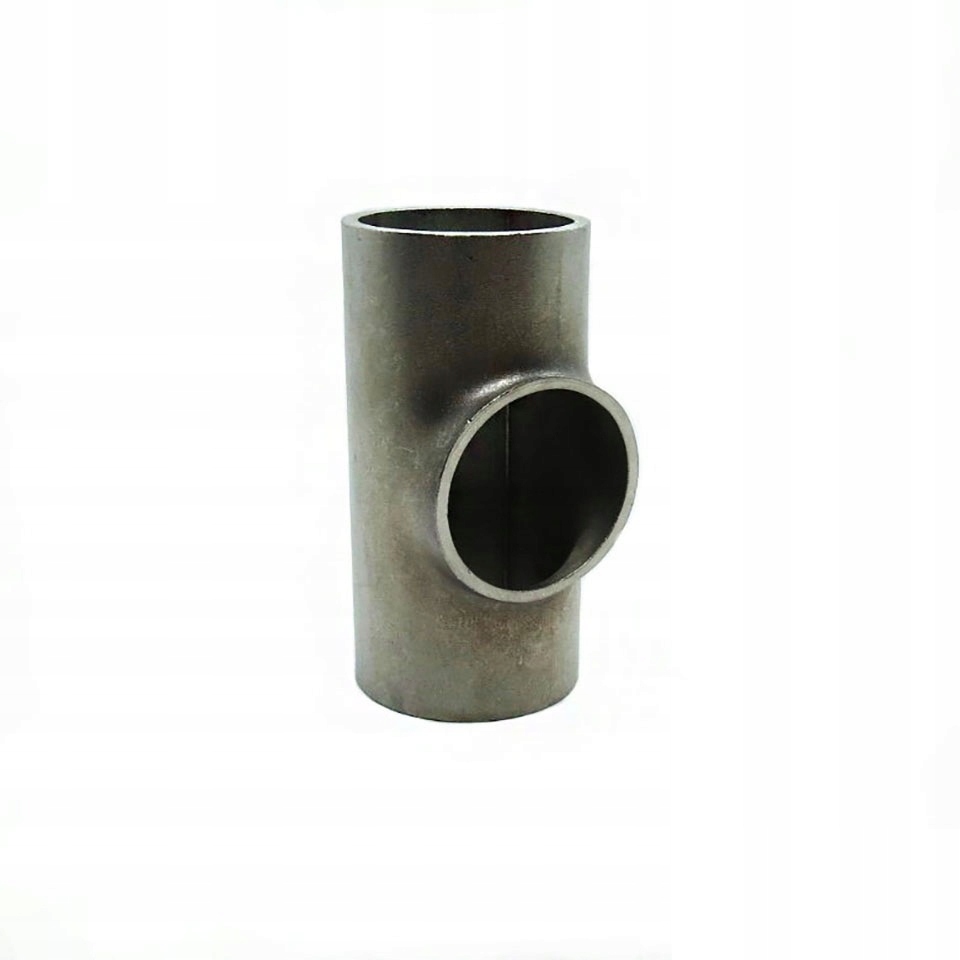
Welded tube for installations and structures is on our stainless steel tube page, and elbows, tees, reducers and flanges for welding in are on the stainless steel butt-weld fittings page. For pipework that needs to be dismantled, you can use threaded fittings or DIN 11851 hygienic unions instead of a weld.
How to remove heat tint from stainless steel after welding
Heat tint next to a weld is a thickened oxide layer. Chromium oxidises faster than iron, so beneath the tint lies a chromium-depleted layer with lower corrosion resistance. Heat tint forms in the heat-affected zone even where good gas shielding practice has been used. Good practice is to remove all visible heat tint, including on the hidden side of the weld if it will be exposed to the service environment (Euro Inox, Pickling and Passivating Stainless Steel).
| Method | What it does | Notes |
|---|---|---|
| Grinding | Mechanically removes the weld reinforcement (excess weld metal) and heat tint | Typically start at 36 grit, then work through 80, 120 and 180 grit. Use abrasives reserved for stainless steel only – see iron contamination below. |
| Pickling (paste, gel, bath) | Removes a thin layer of metal together with the heat tint | Usually a mixture of nitric and hydrofluoric acid. For small areas, brush on a paste or gel. After pickling, rinse thoroughly with water and leave no acid residue in crevices. Excessive contact time can cause pitting. |
| Electrochemical cleaning | Pickles the weld area electrochemically | For small areas around welds. Rinse off all electrolyte residue. |
| Passivation | Chemical treatment of the surface; removes no metal | Does not remove heat tint on its own. Steel from the mill and from a reputable stockholder is fully passive, so acid passivation is the exception rather than the rule. |
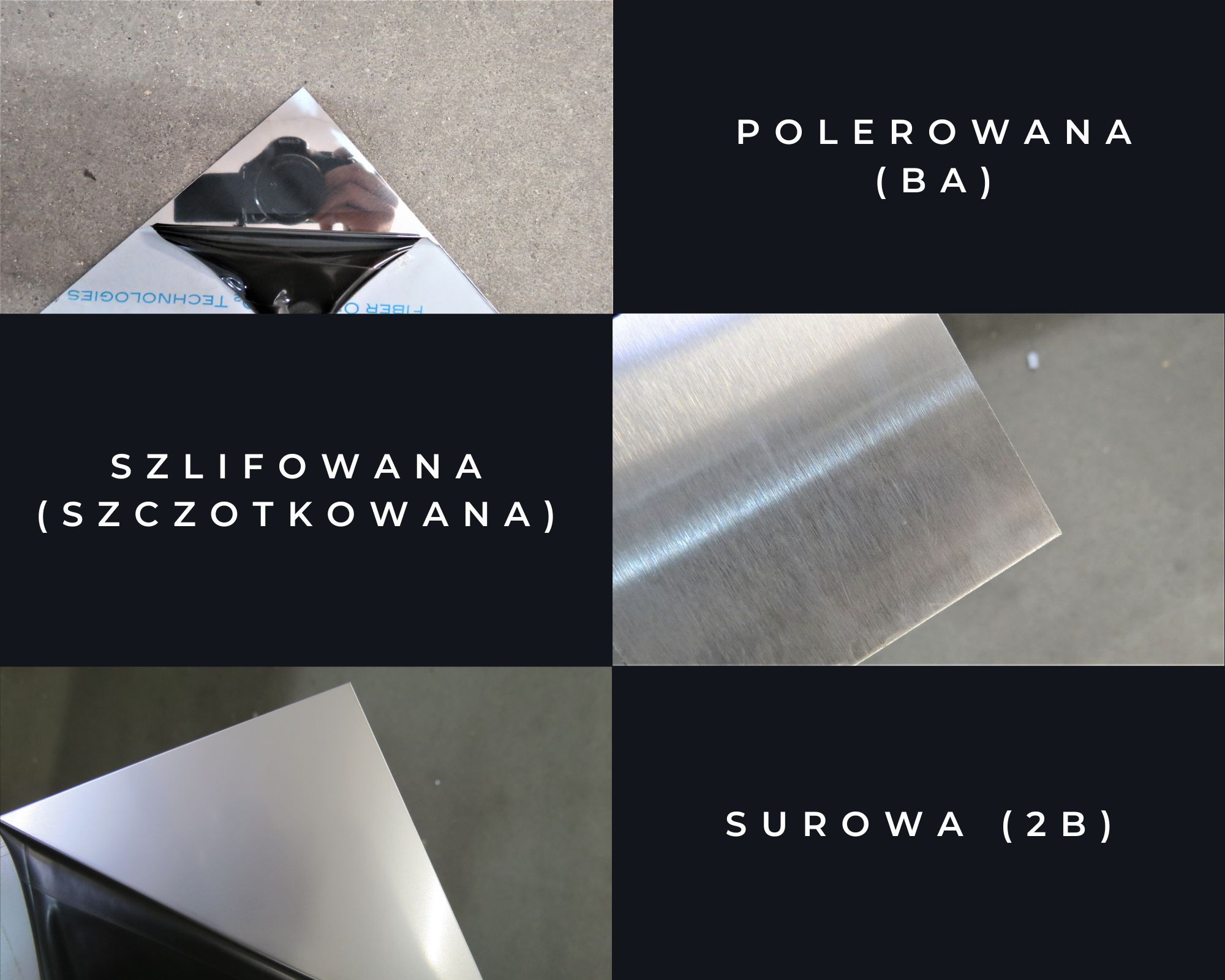
Iron contamination is a separate issue, caused by carbon steel tools or by working in a shared workshop without segregation. It causes brown staining, rust streaks and pitting, for example on handrails. According to Euro Inox it is a common cause of problems reported after installation and handover. Free iron can be detected with the ferroxyl test (ASTM A380). For surface finishes and how they perform, see stainless steel surface finishes.
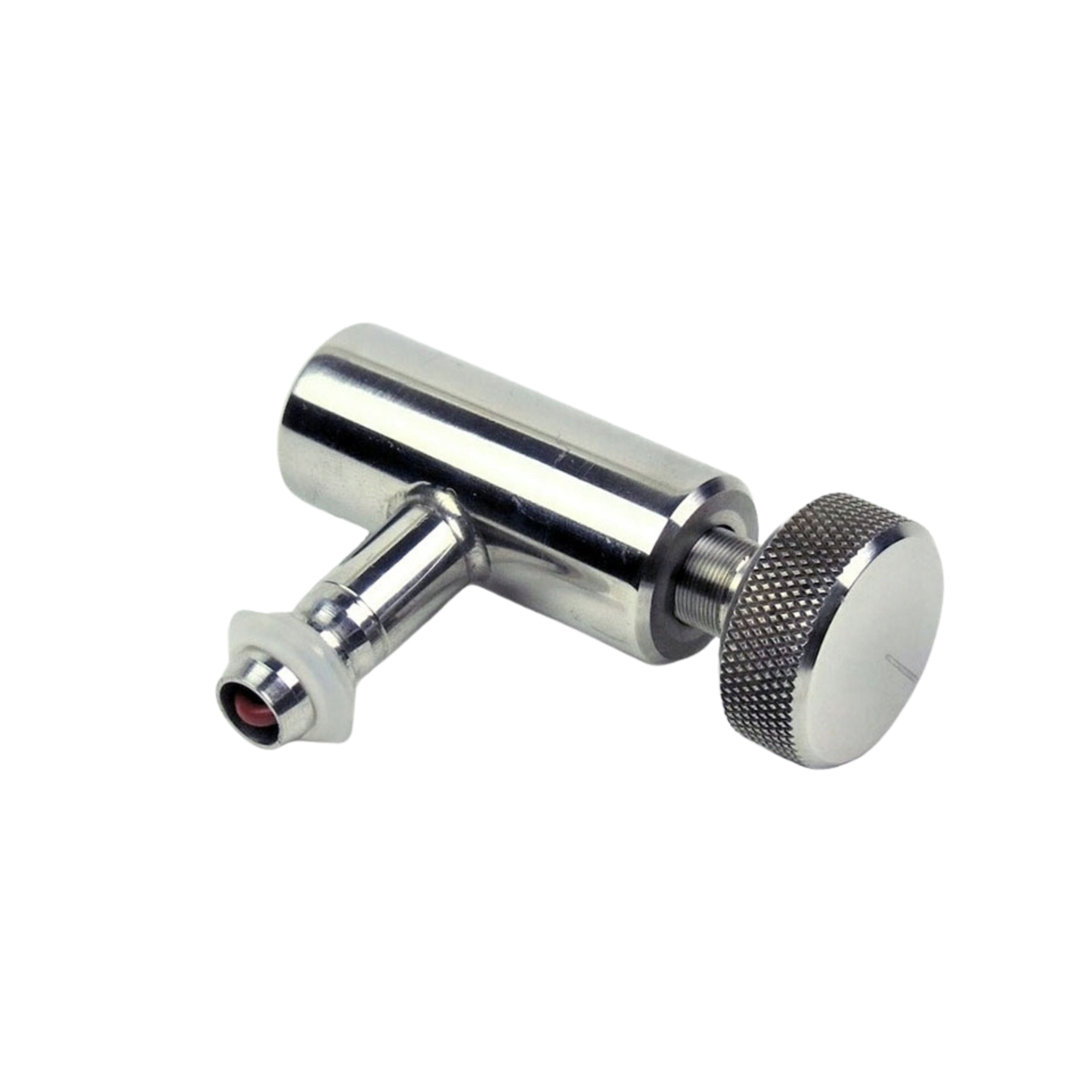
The shop sells pickling paste, a passivation unit and passivation brushes. Abrasives and cleaning products are listed further down, in the materials section.
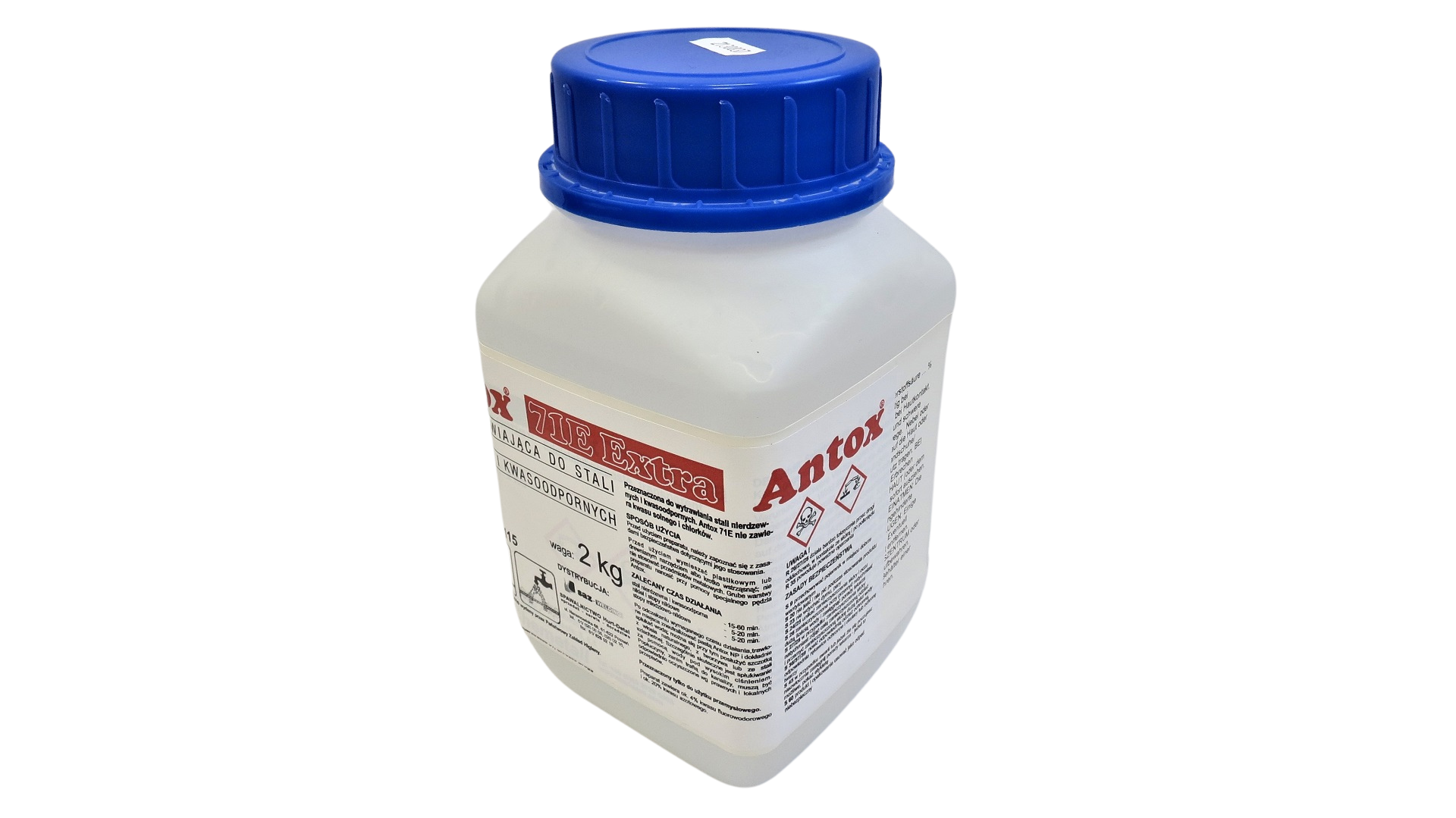
Pasta antox 71E extra 2KG trawiąca
In stock · 7 pcs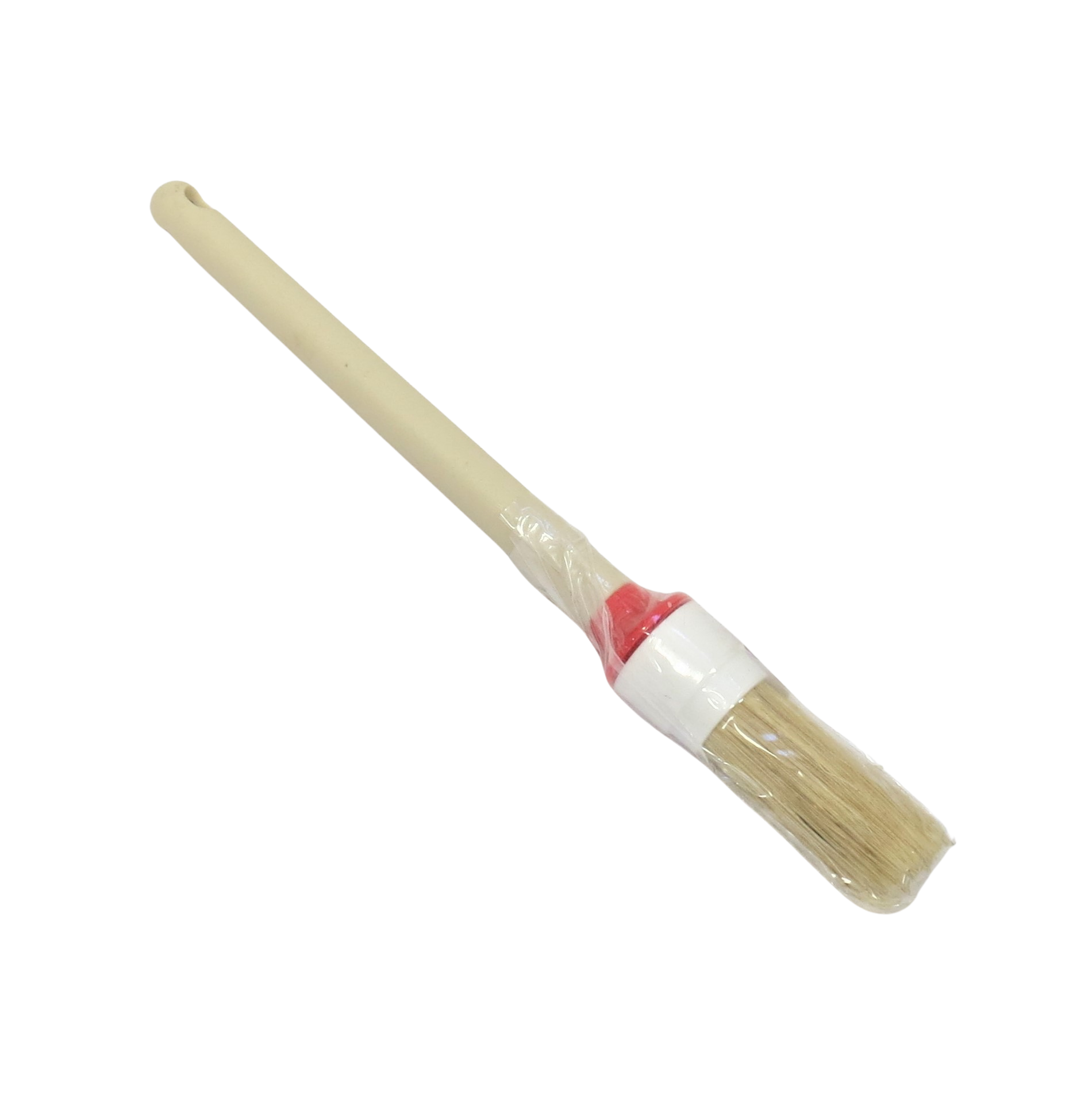
Pędzel antox okrągły mały fi 20
In stock · 8 pcs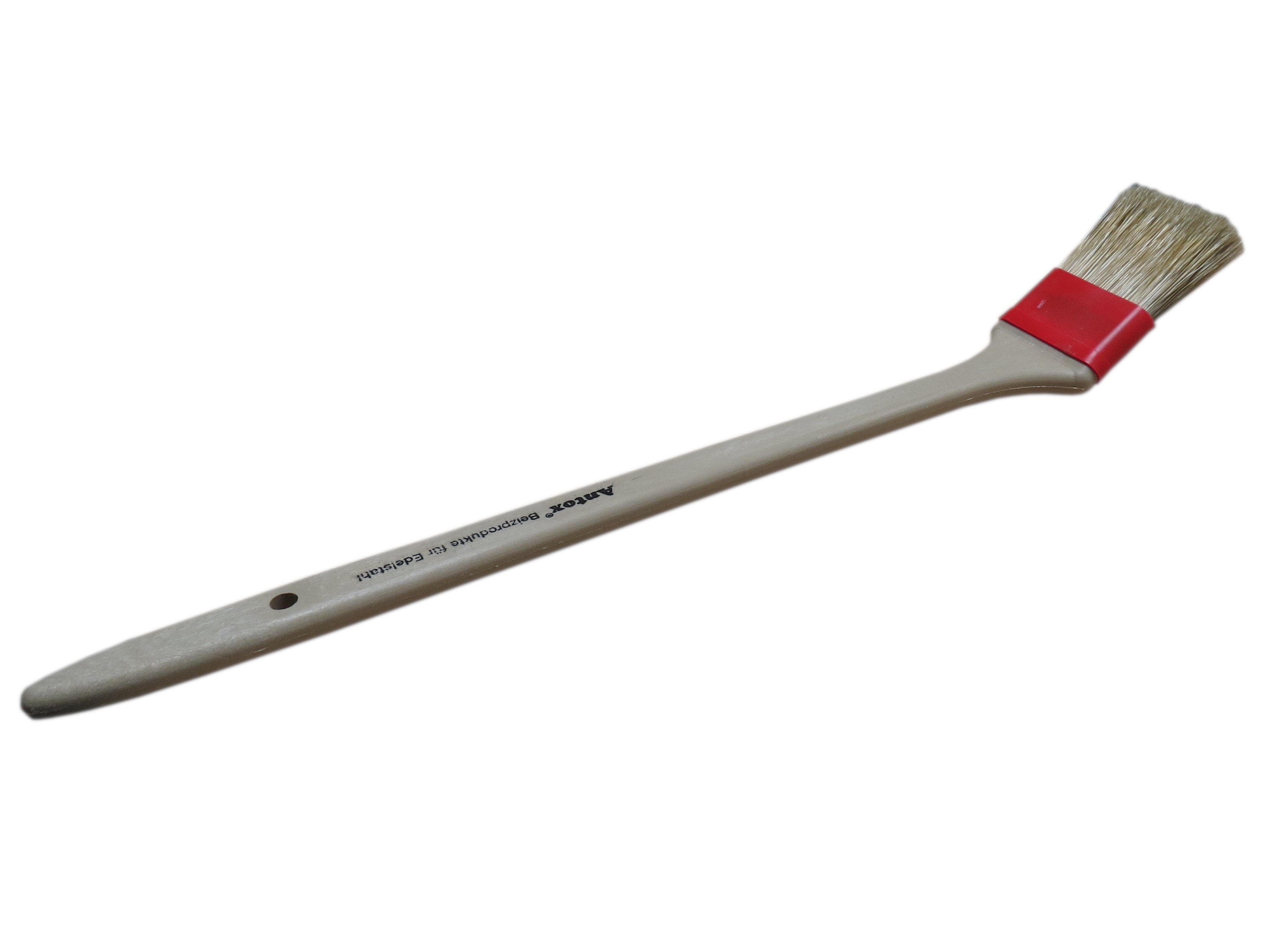
Pędzel antox szeroki kątowy 50mm
In stock · 5 pcs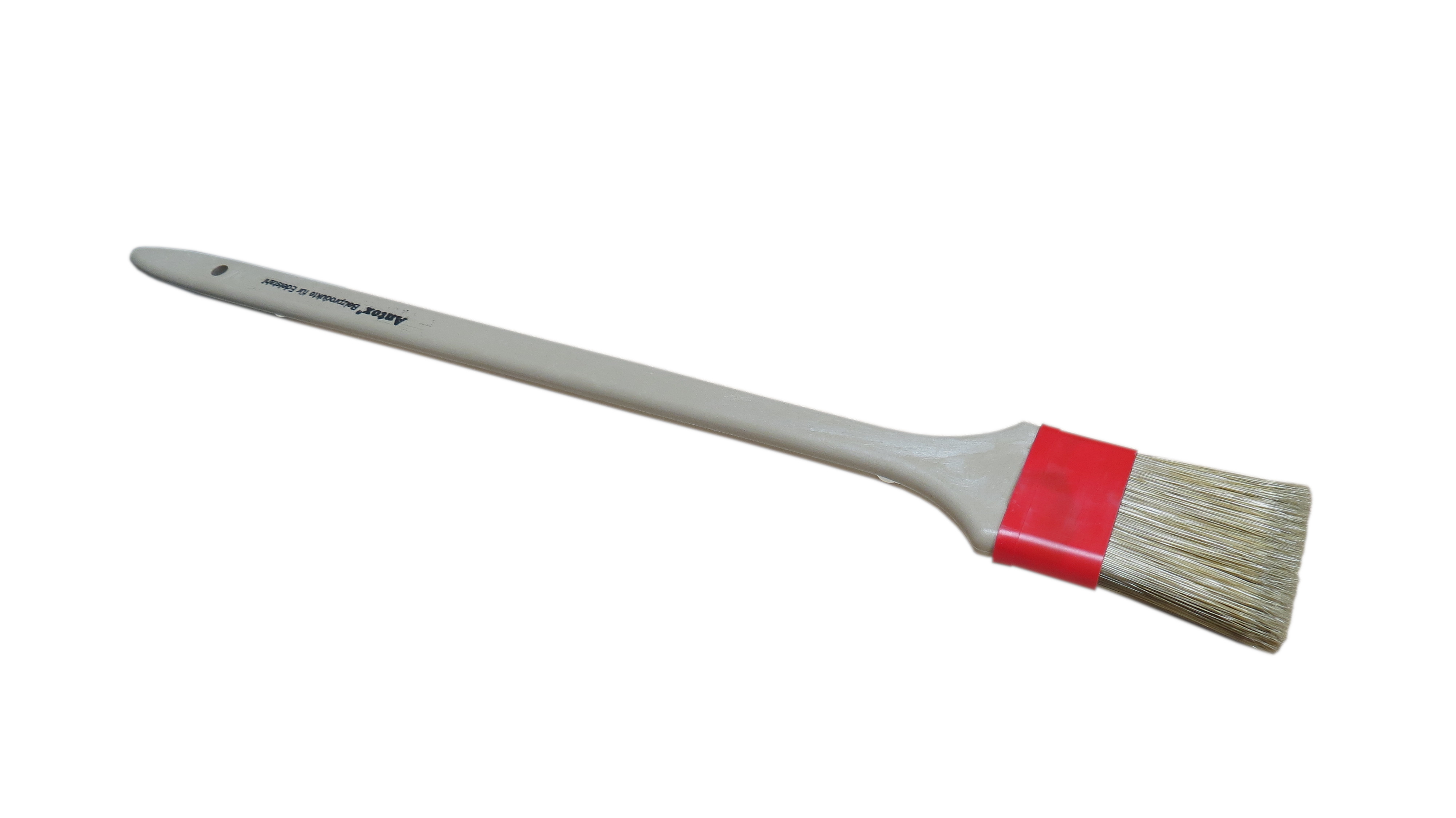
Pędzel antox szeroki płaski 50mm
In stock · 8 pcs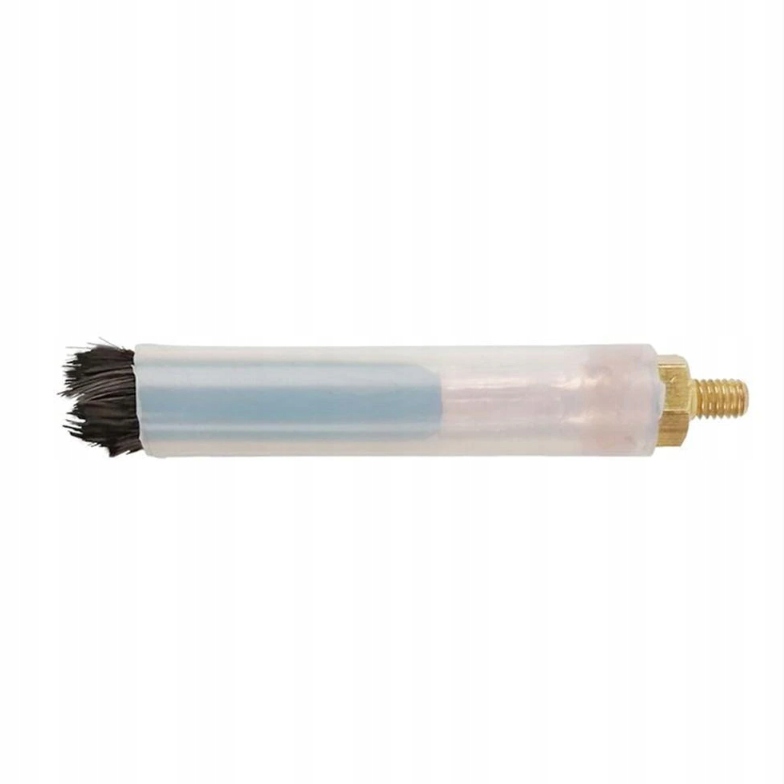
Pędzel do pasywacji
In stock · 9 pcsUrządzenie do pasywacji (zestaw)
In stock · 9 pcsStainless steel stock for your own fabrication
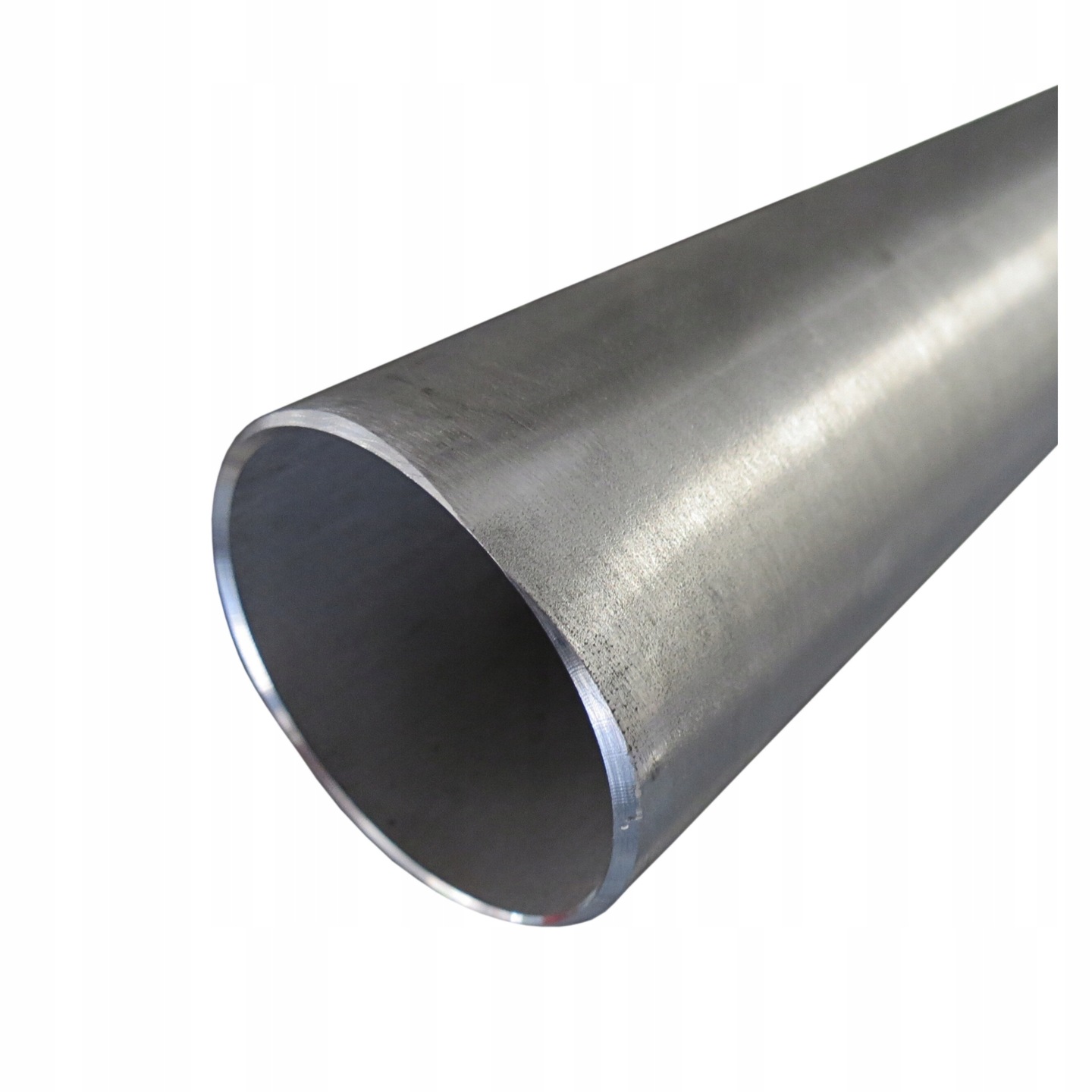
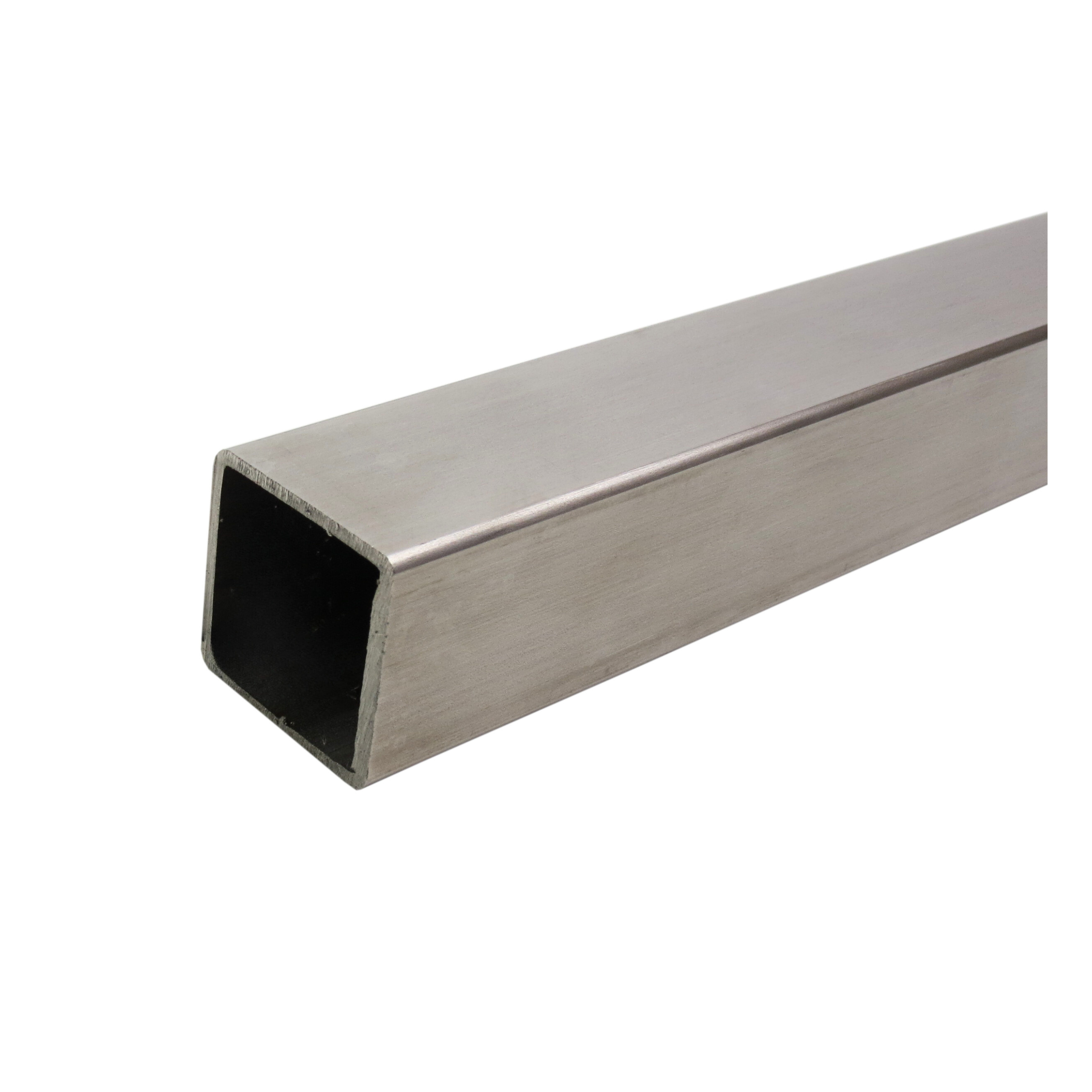
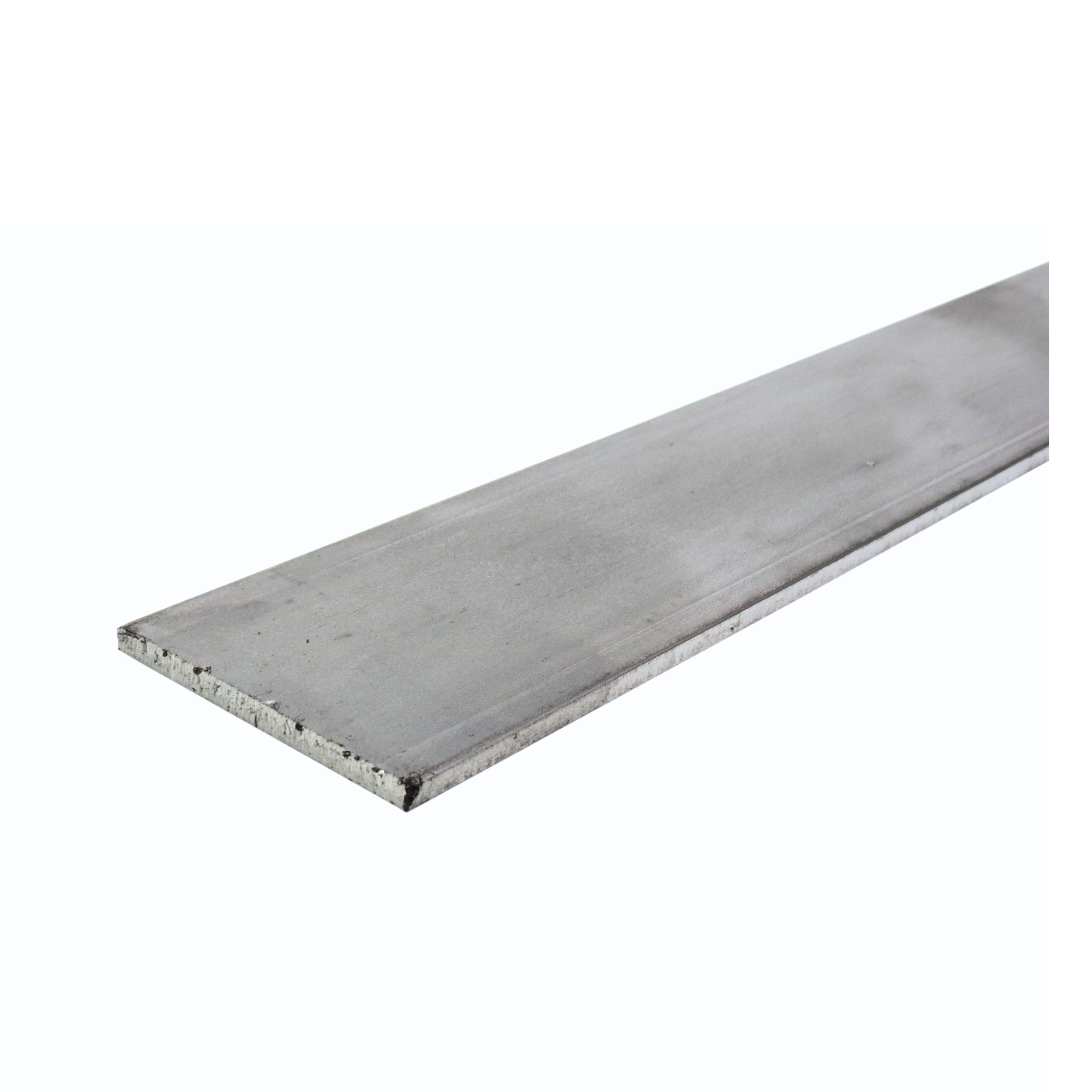
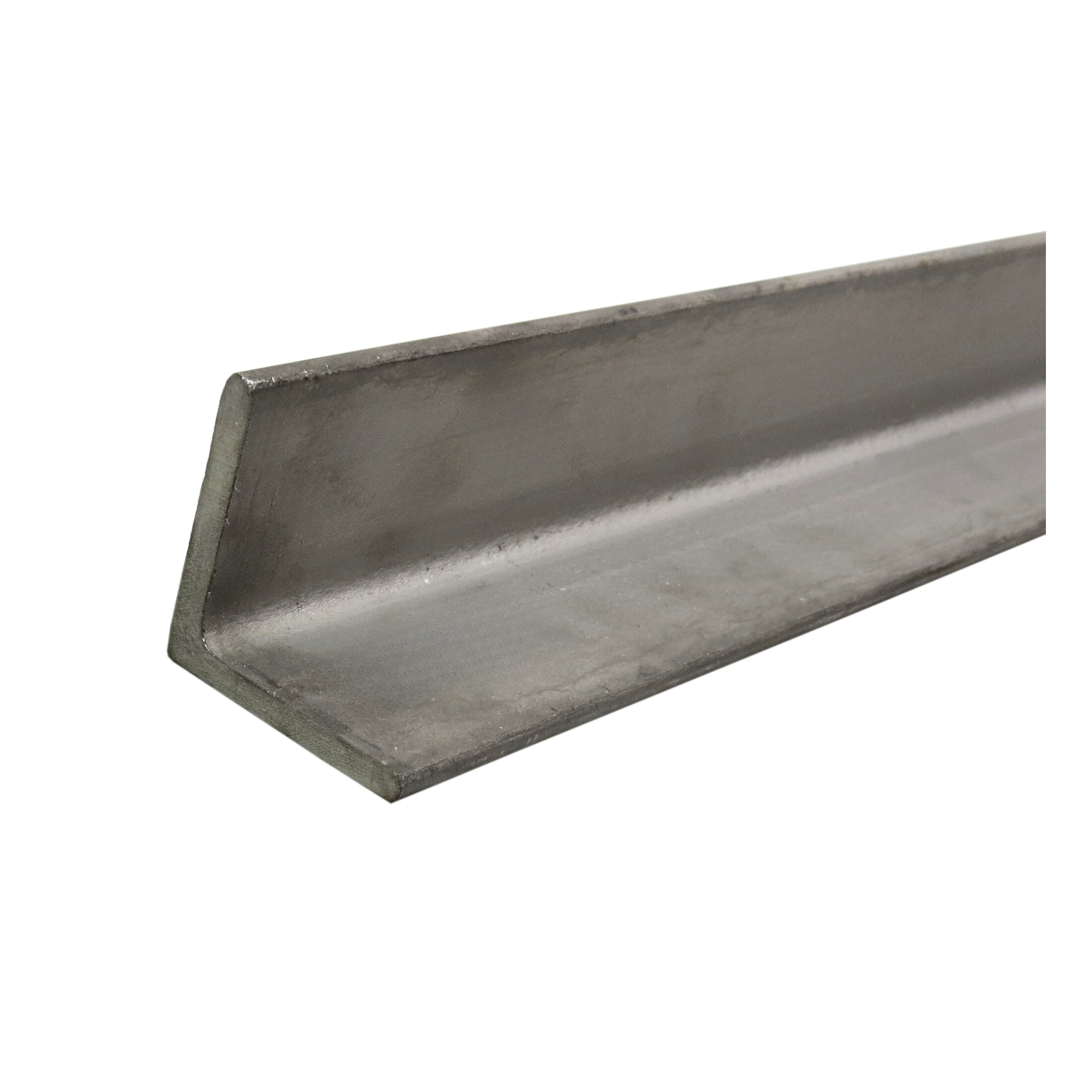
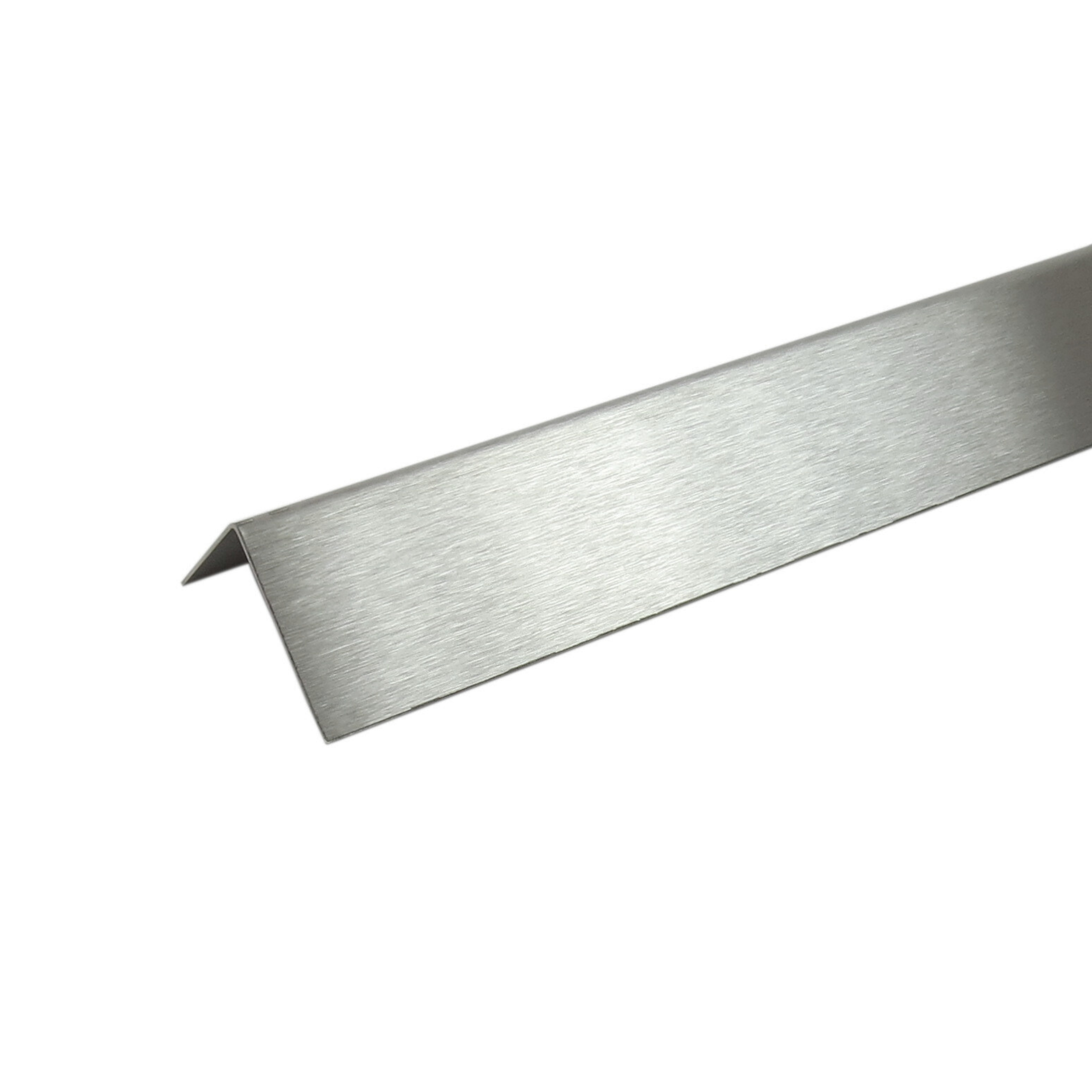
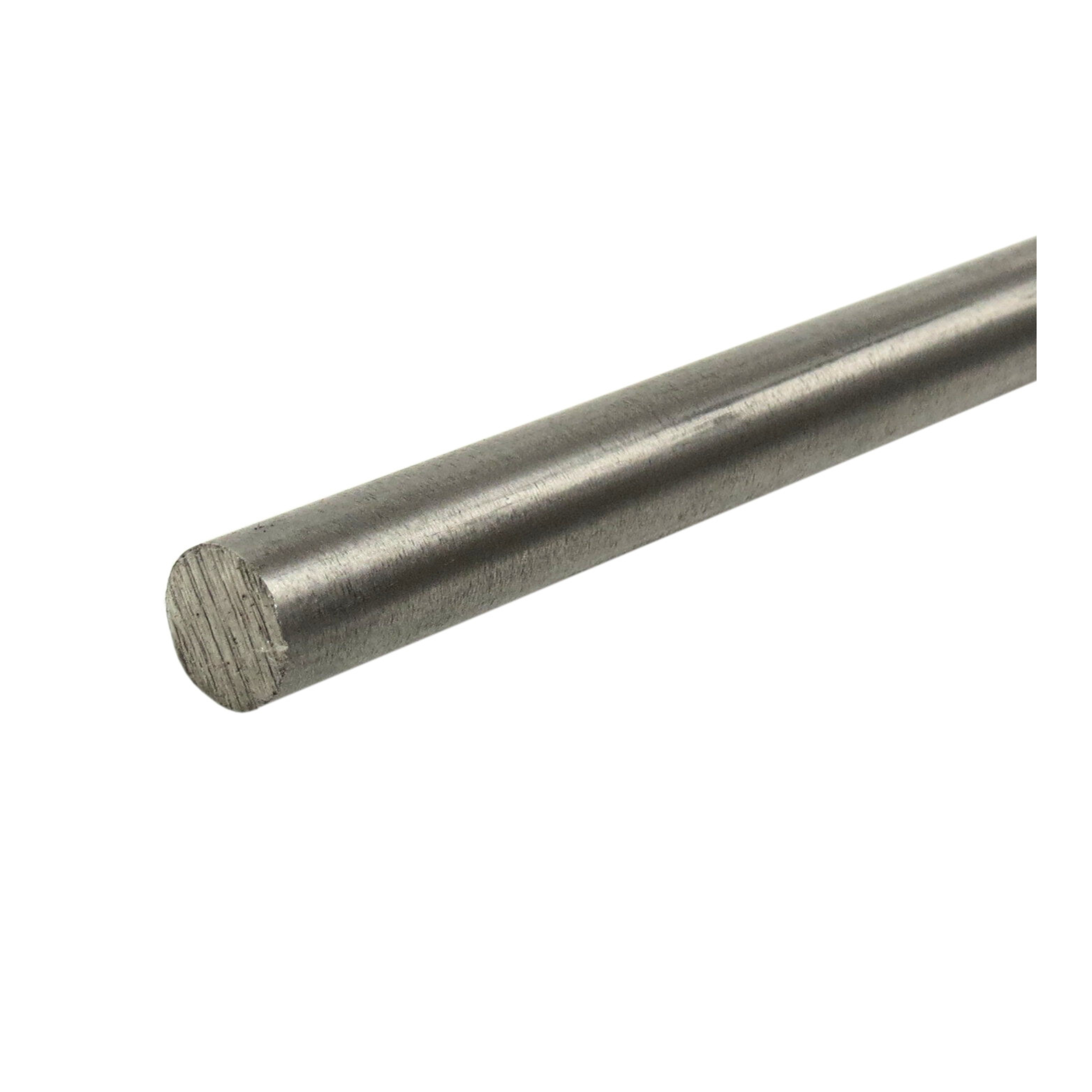
If you weld in your own workshop, you can buy the material in our shop: stainless steel sheet, tube, box sections, bar and flat bar, angles (including cold-formed angles made by us), butt-weld fittings and balustrade components. Most of the stock for fabrication is in grade 304 or 304/304L. There are fewer items in 316 and 316L – for larger quantities, ask about availability. We deliver within Poland only, and prices are in Polish złoty (PLN).
- Lengths: products sold by the metre come in full metres only (1, 2, 3 or 4 m). Enter the lengths you need in the ‘How should we cut it?’ field. See also stainless steel cut to size and stainless steel cutting.
- Cut-to-size sheet: price your blank in the cut-to-size sheet calculator. Bent parts are covered on our stainless steel bending page.
- Certificate: with material from the shop we include a copy of the inspection certificate 3.1 (often called a mill test certificate) free of charge, where the manufacturer issues one. For material cut to size (cut lengths and blanks from the calculator), customer service will confirm whether a 3.1 certificate is available – tick the certificate option and say so in the order notes, or ask before you buy. Details on the 3.1 certificate page.
- Consumables and gas: the shop does not sell filler wire, electrodes or shielding gases.
- Businesses: with a business account you see prices excl. VAT (Polish VAT at 23%).
Stainless steel welding cost: how to request a quote
Welding is priced job by job, based on your design or description, and quoted in PLN. Lead time depends on the complexity and size of the order. Trade (B2B) discounts from the shop do not apply to services or made-to-measure products. A technical drawing (DXF, PDF), a hand sketch or a sample part is enough for a quote. No drawings? Our engineers can help you prepare them. A complete enquiry gets you a quote faster:
- a drawing or sketch with dimensions and units (the form accepts up to 5 files in JPG, PNG, PDF, DWG or DXF format, each up to 10 MB);
- grade and sheet or wall thickness – and both grades if you are joining dissimilar materials;
- quantity;
- weld requirements: appearance, tightness and quality level – for TIG and MAG to EN ISO 5817 (B, C or D, with B the highest), for laser to EN ISO 13919-1 (EN ISO 5817 excludes beam welding);
- the weld appearance you expect – weld finishing and other services can be agreed in your enquiry (range of services: jannierdzewny.pl/uslugi);
- service environment: indoors, outdoors, food, chemicals;
- the documents you need, such as an inspection certificate 3.1 or welding documentation – information on our certificates and welding documents: jannierdzewny.pl/certyfikaty;
- whether you are supplying the material – if so, describe it: grade, thickness and any previous surface treatment;
- whether we should prepare the material: cutting to size, sheet bending or other operations before welding.
Parts you send us for welding should be clean, degreased and free from contamination, and the weld area should not be touched with bare hands. How an order proceeds: design or description, quote, acceptance, pro forma invoice (we start work once it has been paid), material preparation, welding with inspection, then collection or further processing. Finished parts can be collected in Dębica or Mielec (Poland), as stated on our project pages. Addresses and opening hours are on our Dębica and Mielec pages. Customer service: +48 533 251 824 (Monday to Friday, 7am to 3pm Polish time), email bok@jannierdzewny.pl; details of all our branches are on the contact page.
Frequently asked questions
How much does stainless steel welding cost?
Each job is priced individually, in PLN. Send a drawing and description using the ‘Quick quote’ button at the bottom of this page: grade, thickness, quantity, expected weld finish and the documents you need. Trade (B2B) discounts from the shop do not apply to services.
Laser or TIG welding – which should I choose?
Laser welding is faster, gives a narrower weld and puts less heat into the surrounding material. It works best on thin and medium thicknesses. TIG is more versatile across different thicknesses and shapes. For thicker parts and load-bearing structures we more often use TIG or MIG/MAG.
Can you weld stainless steel to mild steel?
Yes. Keep the joint out of the corrosive zone, or protect it against corrosion in the same way as the mild steel. For 304 to carbon steel, a more highly alloyed type 309 filler is better than 308.
How do you remove heat tint from stainless steel?
By grinding (36 grit, then 80, 120 and 180 grit), with pickling paste or gel, or by electrochemical cleaning. After pickling, rinse the surface thoroughly with water. Passivation alone does not remove heat tint, because it removes no metal.
Can I have my own material welded?
Yes. We weld material supplied by the customer and take welding-only jobs where you supply finished parts to be joined. The material must be described: grade, thickness and any previous surface treatment. Surfaces to be welded must be clean and degreased, and the weld area should not be touched with bare hands.
How do I request welding documentation and a 3.1 certificate?
Information on our certificates and welding documents: jannierdzewny.pl/certyfikaty (in Polish) – in your enquiry, tell us which documents you need. With material from the shop we include a copy of the inspection certificate 3.1 (mill test certificate) free of charge, where the manufacturer issues one. For material cut to size (cut lengths and blanks from the calculator), customer service will confirm whether a 3.1 certificate is available – tick the certificate option and say so in the order notes, or ask before you buy.
What gas do I need for welding stainless steel – TIG and MIG?
For TIG, welding-grade argon (99.95%), typically 6–12 l/min. For what is usually called MIG welding of stainless steel (strictly MAG), argon with 1–3% O2 or with 2.5% CO2. The root side of tubes and tanks is protected with forming gas or argon. Outdoors, shield the workstation from draughts (ISER MB 822). The shop does not sell shielding gases or filler metals.
Need a different size, a larger quantity or cutting services? Send us an enquiry and we will reply with a quote, usually within one working day.