

Stainless steel grades: 304, 304L, 316, 316L and 430 – chart and comparison
Stainless steel is steel with at least 10.5% chromium. Its corrosion resistance comes from a thin passive film of chromium oxide that forms spontaneously on the surface. Grades differ in composition, and therefore in corrosion resistance in a given environment, weldability and magnetic behaviour. Below you will find a stainless steel grades chart with AISI, EN and former Polish (PN) designations, compositions to EN 10088-2, comparisons of 304 vs 316, 304 vs 304L, 316 vs 316L, 321 vs 304 and 430 vs 304, with guidance on which grade to specify. At the end you will find the grades we stock and how to order them – we deliver within Poland only, with prices in Polish złoty (PLN).
Stainless steel grades chart – AISI, EN and PN equivalents
The same material goes by several names: the American AISI type, the European number and name to EN 10088, the former Polish designation (PN-71/H-86020) and various trade names. The chart below covers the grades we stock.
| AISI | EN number | EN name | Structure | Also known as |
|---|---|---|---|---|
| 304 | 1.4301 | X5CrNi18-10 | austenitic | 0H18N9 (PN), A2 (fasteners), 18/8, 18/10, V2A |
| 304L | 1.4307 or 1.4306 | X2CrNi18-9 / X2CrNi19-11 | austenitic, low carbon | V2A |
| 316 | 1.4401 | X5CrNiMo17-12-2 | austenitic, molybdenum-bearing | 0H17N12M2 (PN), A4 (fasteners), V4A |
| 316L | 1.4404 | X2CrNiMo17-12-2 | austenitic, molybdenum-bearing, low carbon | V4A |
| 316Ti | 1.4571 | X6CrNiMoTi17-12-2 | austenitic, titanium-stabilised | V4A (stabilised) |
| 321 | 1.4541 | X6CrNiTi18-10 | austenitic, titanium-stabilised | 1H18N9T (PN) |
| 430 | 1.4016 | X6Cr17 | ferritic | H17 (Polish trade name) |
| 301 | 1.4310 | X10CrNi18-8 | austenitic | – |
The chart is for comparison only. As TWI points out, AISI and EN designations are not always exact equivalents. Sources: TWI, equivalents to BS EN 10088-1, stalenierdzewne.pl (0H18N9, 0H17N12M2; in Polish), stalenierdzewne.pl (1H18N9T; in Polish), ISER (V2A, V4A; in German).
- Specify the EN number. One AISI type can correspond to more than one EN grade. For example, 304L is either 1.4307 or 1.4306. Outside Germany, 1.4307 is the variant most commonly offered (BSSA, stalenierdzewne.pl, in Polish).
- EN material numbers. Stainless steels are numbered 1.40xx to 1.46xx, heat-resisting steels 1.47xx to 1.48xx and creep-resisting steels 1.49xx.
- Former Polish designations. Designations to PN-71/H-86020 are obsolete but still seen on Polish drawings and documents. The leading digits indicate the carbon content (00 – up to 0.03%; 0 – up to 0.05–0.08% depending on the grade), H stands for chromium, N for nickel, M for molybdenum and T for titanium. Example: H17N13M2T (stalenierdzewne.pl, in Polish).
- V2A and V4A are non-standard names from the German market. V2A covers 1.4301, 1.4306, 1.4307 and 1.4311, among others; V4A covers 1.4401, 1.4404 and 1.4571, among others. ISER advises against using them in specifications, quotations and orders because they are ambiguous.
- 18/8 and 18/10 are common trade names for 304-type stainless steel.
Chemical composition, mechanical and physical properties
| EN (AISI) | C max. % | Cr % | Ni % | Mo % | Ti % | Rp0.2 min. MPa | Rm MPa |
|---|---|---|---|---|---|---|---|
| 1.4301 (304) | 0.07 | 17.5–19.5 | 8.0–10.5 | – | – | 230 | 540–750 |
| 1.4307 (304L) | 0.030 | 17.5–19.5 | 8.0–10.5 | – | – | 220 | 520–700 |
| 1.4401 (316) | 0.07 | 16.5–18.5 | 10.0–13.0 | 2.00–2.50 | – | 240 | 530–680 |
| 1.4404 (316L) | 0.030 | 16.5–18.5 | 10.0–13.0 | 2.00–3.00 | – | 240 | 530–680 |
| 1.4571 (316Ti) | 0.08 | 16.5–18.5 | 10.5–13.5 | 2.00–2.50 | 5 × C to 0.70 | 240 | 540–690 |
| 1.4541 (321) | 0.08 | 17.0–19.0 | 9.0–12.0 | – | 5 × C to 0.70 | 220 | 520–720 |
| 1.4016 (430) | 0.08 | 16.0–18.0 | – | – | – | 260 | 450–600 |
| 1.4310 (301) | 0.030–0.15 | 16.0–19.0 | 6.0–9.5 | max. 0.80 | – | – | – |
Composition to BS EN 10088-2:2024 (BSSA table). The 2024 edition replaced the 2014 edition, added 7 grades and changed the composition of 7, including 1.4310 and 1.4404. 1.4301 also has a nitrogen limit of 0.11%. Strength values are for cold-rolled sheet and strip up to 8 mm thick (BSSA: austenitic, ferritic). Elongation A: min. 45% for 1.4301, 40% for 1.4401 and 1.4404, 20% for 1.4016. 1.4310 is a spring strip grade to EN 10151 (BSSA).
| Property (EN 10088-1) | 304 | 316 | 430 |
|---|---|---|---|
| Density, kg/m³ | 7,900 | 8,000 | 7,700 |
| Thermal expansion, 10⁻⁶/K | 16.0 | 16.0 | 10.0 |
| Thermal conductivity, W/(m·K) | 15 | 15 | 25 |
Source: BSSA, physical properties to BS EN 10088-1.
304 vs 316 stainless steel – what molybdenum adds
The key difference is molybdenum. 316 (1.4401) contains 2.00–2.50% Mo and more nickel than 304 (10.0–13.0% against 8.0–10.5%). 316 performs better in chloride-bearing marine environments and in industrial and urban atmospheres, and it needs cleaning less often. It costs more than 304 because of the molybdenum and the higher nickel content (stalenierdzewne.pl, in Polish). 316 is widely known as ‘marine grade’ stainless steel, but the name does not mean it can be used in seawater without conditions – see below.
- Similar mechanical properties. Maximum hardness is 215 HB for both to EN 10088, and the design value of Young’s modulus is 200 GPa for both. Both grades weld well.
- PREN (Cr + 3.3Mo + 16N): 304 – 17.5–20.8, 316/316L – 23.1–28.5, 430 – 16.0–18.0. PREN is a theoretical index for an initial comparison of grades (stalenierdzewne.pl, in Polish).
- Seawater. 304 should not be considered suitable for seawater service. With 316, stagnant seawater conditions must be avoided. For welded structures, the low-carbon grades 1.4404 and 1.4432 are used (BSSA).
- Food processing. Most vessels, pipework and equipment are made from 304 or 316. 316 is chosen for more corrosive foods (meat, blood, moderate salt content) and where cleaning is frequent. 304 has better corrosion resistance than 430 (BSSA).
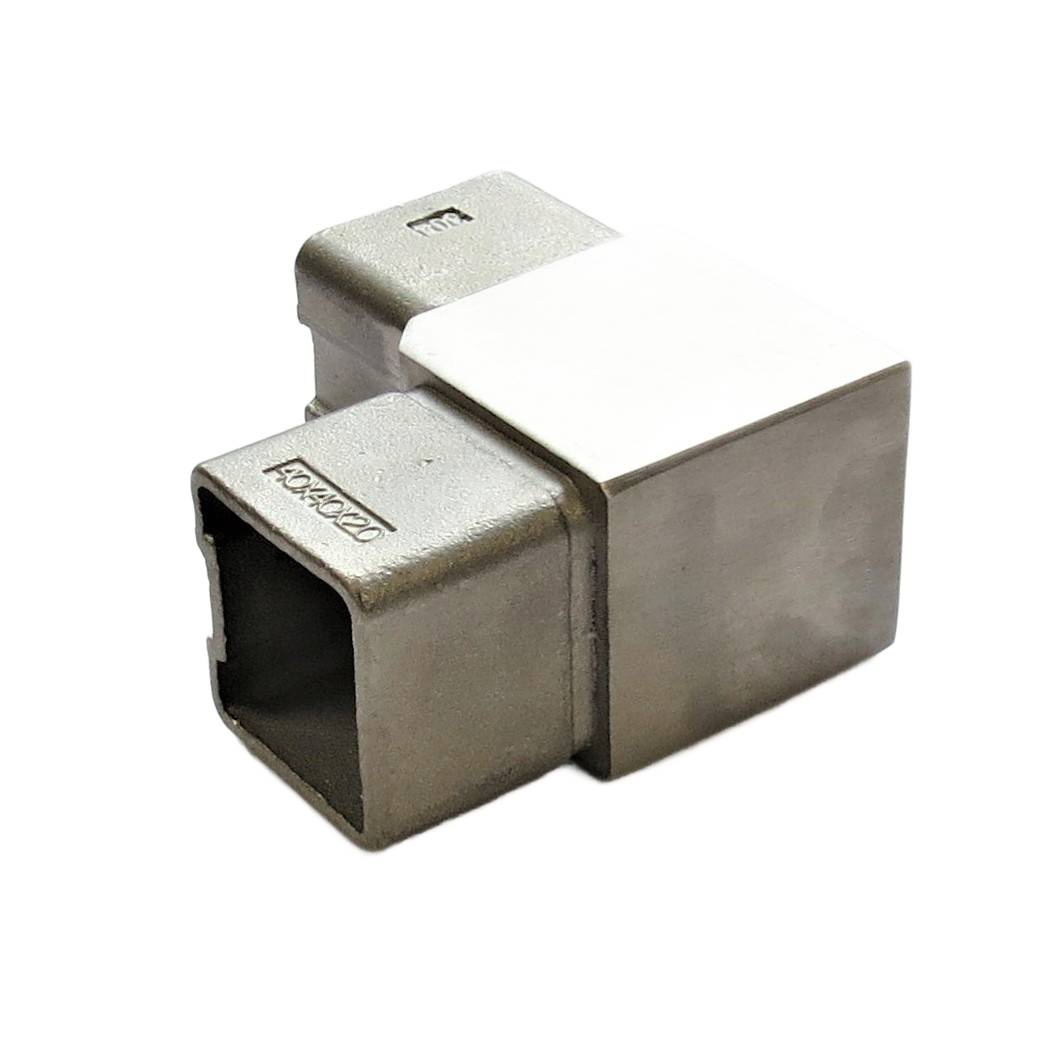
- Balustrades. Staining on 1.4301 is caused by tools contaminated with iron or carbon steel, by installation too close to chloride sources (coastal areas, places where road salt is used) without maintenance, by a coarse ground finish in too aggressive an environment, and by a lack of rain washing. In heavily polluted urban and industrial areas, Cr-Ni-Mo grades (316 type) are used, combined with regular washing (stalenierdzewne.pl, in Polish). See stainless steel balustrade fittings.
- High temperatures. 1.4301 and 1.4401 resist oxidation up to 870°C in intermittent service and up to 925°C in continuous service. Oxidation resistance is not the same as load-bearing capacity: the 0.2% proof strength Rp0.2 at 400°C is 98 MPa for 1.4301 and 115 MPa for 1.4401 (stalenierdzewne.pl, in Polish). For grade selection at high temperatures, see the table further down.
‘Acid-resistant’ stainless steel – a note on Polish terminology
In Poland you will often see stainless steel described as ‘kwasoodporna’, literally ‘acid-resistant’. The term comes from, among others, the withdrawn Polish standard PN-71/H-86020, which called chromium (ferritic) steels ‘stainless’ and austenitic chromium-nickel steels, including the equivalent of 1.4301, ‘acid-resistant’. The common belief that 304 is ‘stainless’ and only 316 is ‘acid-resistant’ is therefore incorrect – and 1.4301 is not resistant to all acids either. When ordering, specify the material by grade, for example ‘austenitic stainless steel, grade EN 1.4301 (X5CrNi18-10), AISI 304’ (stalenierdzewne.pl, in Polish).
304 vs 304L, 316 vs 316L, 321 and 316Ti – carbon, titanium and welding
The letter L stands for low carbon. According to BSSA, 304 and 316 have up to 0.08% C, while 304L and 316L have up to 0.030% C. EN 10088 allows up to 0.07% C in 1.4301 and 1.4401. The EN molybdenum ranges for 316 and 316L also differ: 2.00–2.50% for 1.4401 and 2.00–3.00% for 1.4404.
- Why low carbon matters. Holding the steel in the 450–850°C range can sensitise it to intergranular corrosion – in welds, this is known as weld decay. With carbon below 0.030%, sensitisation does not occur within the times typically spent in this range by the heat-affected zone when welding heavy sections (BSSA).
- When to specify L. For welded parts with a wall thickness above about 6 mm, 1.4307 is recommended instead of 1.4301 (stalenierdzewne.pl, in Polish). 1.4307 has better resistance to intergranular corrosion in welded structures.
- What you give up. 1.4307 has a slightly lower proof strength than 1.4301. The two grades are equivalent in impact strength, ductility and weldability (stalenierdzewne.pl, in Polish).
- 304/304L marking. Modern steelmaking often produces low-carbon compositions, which is why products are frequently dual-certified. Whether a particular batch meets the L-grade requirements is shown by the composition stated on the inspection certificate 3.1. If your design calls for 304L or 316L (C max. 0.030%), check the specific item with our customer service before you order.
321 vs 304 stainless steel. 321 (1.4541) is a titanium-stabilised 304-type steel. In long-term service at 450–850°C, it has better resistance to intergranular corrosion than 1.4307. It also performs better under prolonged exposure to high temperatures and under thermal cycling (stalenierdzewne.pl, in Polish).
316Ti vs 316L. 316Ti (1.4571) is a 316-type steel with added titanium. In most conditions, 1.4404 and 1.4571 are interchangeable. In aqueous media and at ambient temperature, 1.4571 offers no practical advantage. Titanium improves properties above about 600°C (stalenierdzewne.pl, in Polish).
Poor fabrication practice can cost stainless steel its corrosion resistance. Grades 430, 304, 304L, 316 and 316L are the materials we weld most often in our fabrication shop – see stainless steel welding and stainless steel sheet bending.
430 stainless steel vs 304
430 (1.4016, X6Cr17) is a ferritic stainless steel with 16.0–18.0% chromium and no nickel or molybdenum. In our shop it is listed under its Polish trade name H17. It differs from 304 in more than corrosion resistance:
| Property | 430 (1.4016) | 304 (1.4301) |
|---|---|---|
| Structure | ferritic | austenitic |
| Magnetic | yes | practically non-magnetic in the annealed condition |
| Corrosion resistance (PREN) | lower (16.0–18.0) | higher (17.5–20.8) |
| Welding | in sections thicker than about 3 mm, grain growth reduces weld toughness | good weldability |
| Forming and hardening | good for deep drawing, not for stretch forming | work-hardens readily; cannot be hardened by heat treatment |
| Thermal expansion | 10.0 × 10⁻⁶/K | 16.0 × 10⁻⁶/K |
| Price | usually lower (no nickel) | higher |
Sources: BSSA (ferritic stainless steels), thyssenkrupp (304). Ferritic steels have limited toughness and are not suitable for sub-zero service. 430 is used for decorative parts, among other things. In the food industry it is used for guards, housings and panels without continuous contact with aggressive foodstuffs. As a ‘soft’ ferritic steel, it is also used for solenoid cores. Ferritic grades are also used in induction cooking applications (Aperam).
Is stainless steel magnetic? 304, 316 and 430
It depends on the grade. Ferritic (430), martensitic and duplex steels are attracted to a magnet. Austenitic grades (304, 316, 321) in the annealed condition have a relative magnetic permeability close to 1 – typically 1.05–1.1 according to BSSA, and about 1.02 for the 300 series according to stalenierdzewne.pl (BSSA, BSSA – ferritic, martensitic and duplex, stalenierdzewne.pl, in Polish).
- Cold working makes austenitic steel respond to a magnet – usually at sharp corners, sheared edges, machined surfaces and in straightened bar. A kitchen sink is a good example: the flat draining board barely responds to a magnet, while the pressed bowl responds more clearly, especially in the corners (BSSA).
- 301 (1.4310) has less nickel than 304, work-hardens strongly and becomes far more magnetic. Annealing at 1000–1150°C followed by rapid cooling restores the paramagnetic condition (stalenierdzewne.pl, in Polish).
- In short: a magnet will tell 430 from 304 and 316, but it will not tell 304 from 316, and it says nothing about quality. The grade is confirmed by an inspection certificate 3.1 or by chemical analysis.
A2 vs A4 stainless steel – grades for bolts and fasteners
A2 and A4 are steel groups for fasteners to EN ISO 3506. A2 corresponds in composition to AISI 304, and A4 to AISI 316. A2 contains 15–20% Cr and 8–19% Ni, with molybdenum at the manufacturer’s discretion; A4 contains 16–18.5% Cr, 10–15% Ni and 2–3% Mo (stalenierdzewne.pl, in Polish). The choice follows the same logic as 304 vs 316: use A4 where chlorides are present.
- Bolt marking combines the steel group and the property class, for example A2-70 or A4-80. Property classes for austenitic bolts are 50, 70 and 80. The 2022 edition of BS EN ISO 3506 also covers duplex and higher-strength grades (BSSA).
- Thread galling can be reduced by tightening slowly, using a lubricant and combining different alloys for the bolt and the nut, for example A4 with A2 (stalenierdzewne.pl, in Polish).
- Contact with other metals. Stainless steel is more noble than aluminium, zinc, zinc coatings and carbon steel. In the presence of an electrolyte, the less noble metal corrodes. Stainless steel fasteners in aluminium sheet are normally considered safe; aluminium rivets or bolts joining stainless steel parts are an unwise combination (BSSA). See also aluminium.
Which grade to choose – and what to avoid
| Application | Grade | Notes |
|---|---|---|
| Kitchen applications | 1.4301 (304) | mild and moderate environments |
| Welded parts, tanks | 1.4307 (304L) | especially for walls thicker than about 6 mm |
| Salty and acidic foods, fish and meat products, marinades | 1.4401 (316) | molybdenum – better resistance to chlorides |
| Pipework, tanks, CIP systems, fittings, brewing, dairy | 1.4404 (316L) | one of the most widely used grades in the food industry |
| Housings, panels, guards | 1.4016 (430) | no continuous contact with aggressive foodstuffs |
| Welded structures in seawater | 1.4404 or 1.4432 | 304 unsuitable; avoid stagnant water |
| Welded parts in long-term service at 450–850°C | 1.4541 (321) | better resistance to intergranular corrosion than 1.4307 |
| Continuous service above about 500°C | heat-resisting steel, such as 1.4828 | approximate limit for stainless steels according to stalenierdzewne.pl; AISI 309 has better temperature resistance than 304 |
Sources: stalenierdzewne.pl (food contact; in Polish), stalenierdzewne.pl (heat-resisting steels; in Polish), BSSA (seawater). Note on 1.4301: after continuous service at 425–860°C, its corrosion resistance in aqueous solutions is limited.
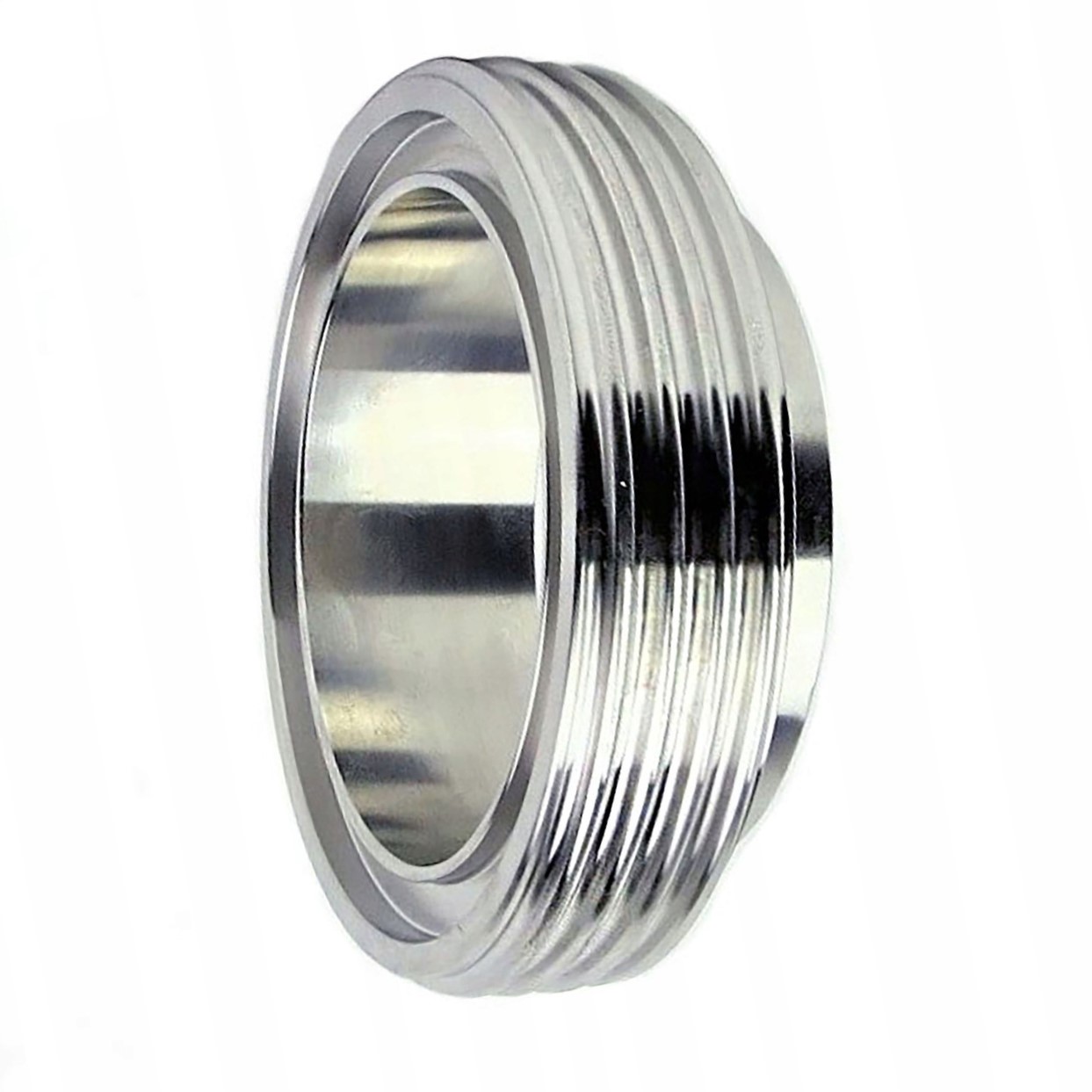
- ‘Food grade’ is not a grade name. There is no official ‘food grade’ classification. For mill products, the relevant document is the inspection certificate 3.1 to EN 10204. A declaration of compliance or a Polish PZH hygiene certificate relates to the finished article. General requirements are set out in Regulation (EC) No 1935/2004. Fittings for food processing lines are covered on our DIN 11851 hygienic unions page.
- The wrong grade near chlorides. Tea staining – brown discolouration of the surface – occurs most often within 5 km of the coast. With wind, heavy industrial pollution and little rain, it often extends to 25 km and beyond. An incorrectly specified grade is one of the causes (BSSA).
- Indoor swimming pools. 304 and 316 must not be used for safety-critical components susceptible to stress corrosion cracking (SCC), where failure could cause injury. Grades recommended there include 1.4547, 1.4529 and 1.4565 (BSSA).
- Iron contamination. Dust from grinding and cutting carbon steel must not settle on stainless steel. Tests for detecting contamination are described in ASTM A380 and A967 (BSSA).
- Coarse finishes. The smoother the surface, the better the corrosion resistance of the same grade (stalenierdzewne.pl, in Polish). More on our stainless steel surface finishes page.
Grades in our shop and how to order
Most of our range is in grades 304 and 304/304L. In grade 316, the widest choice is in threaded fittings and marine hardware. Size ranges in our catalogue:
| Grade | What you will find in the shop |
|---|---|
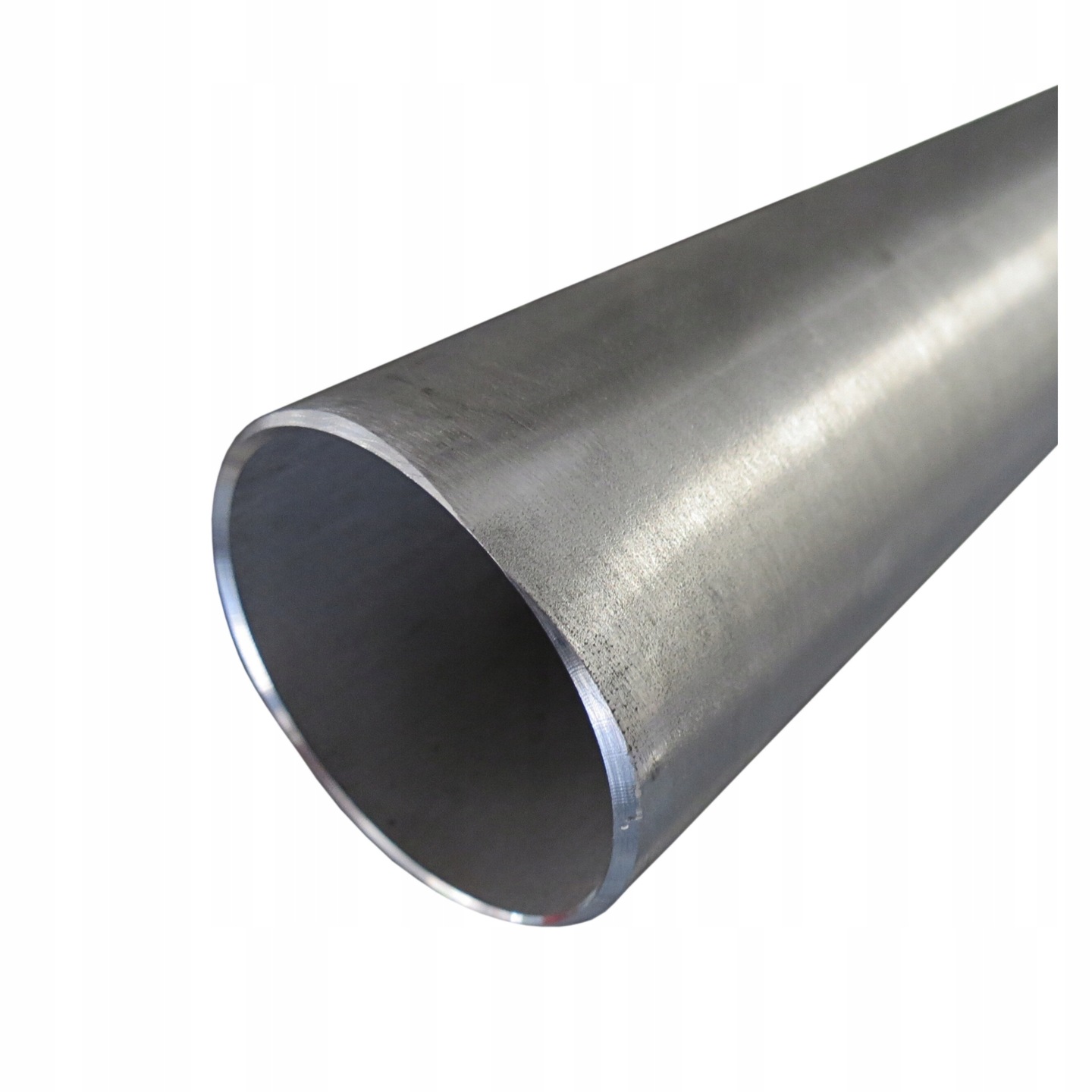
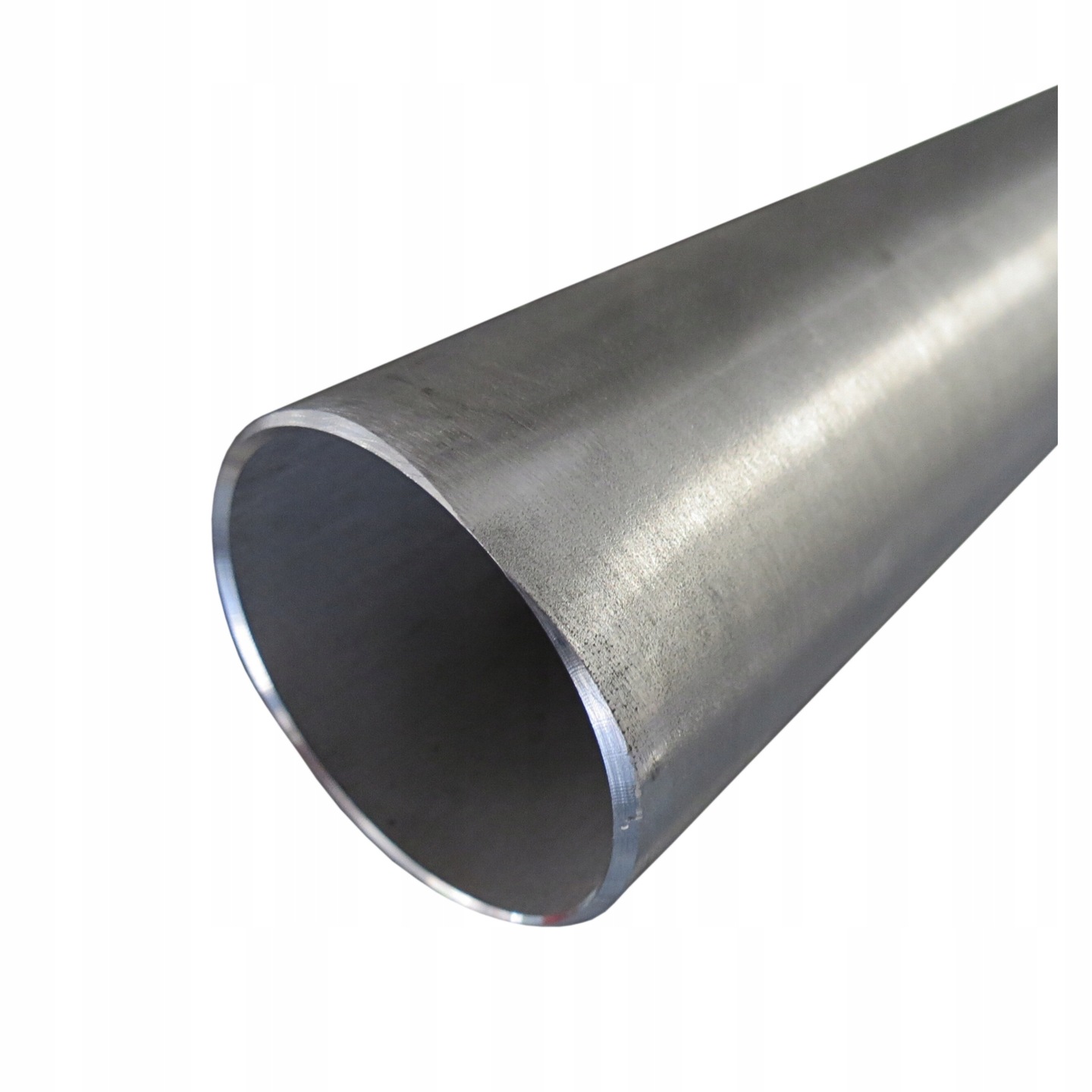
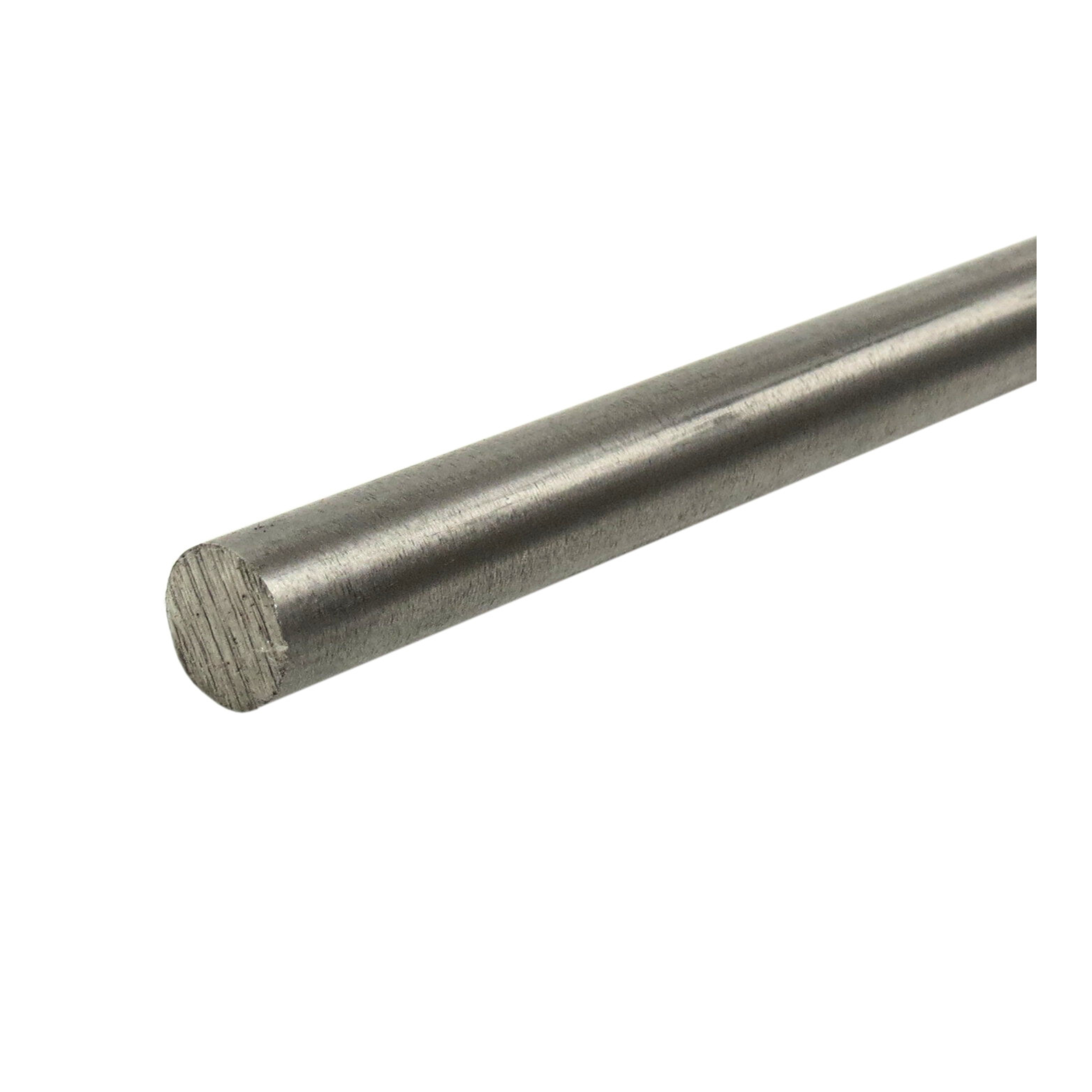
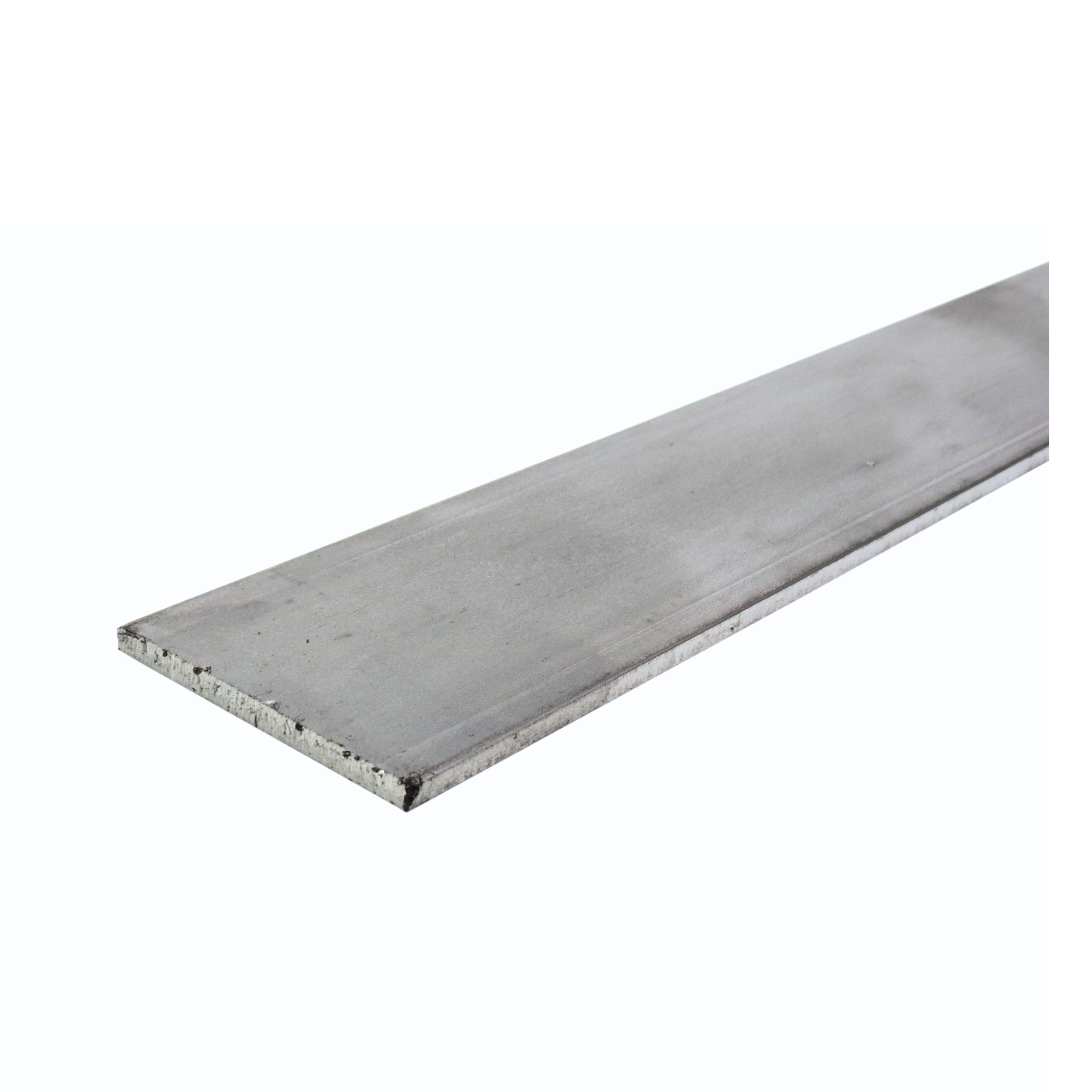
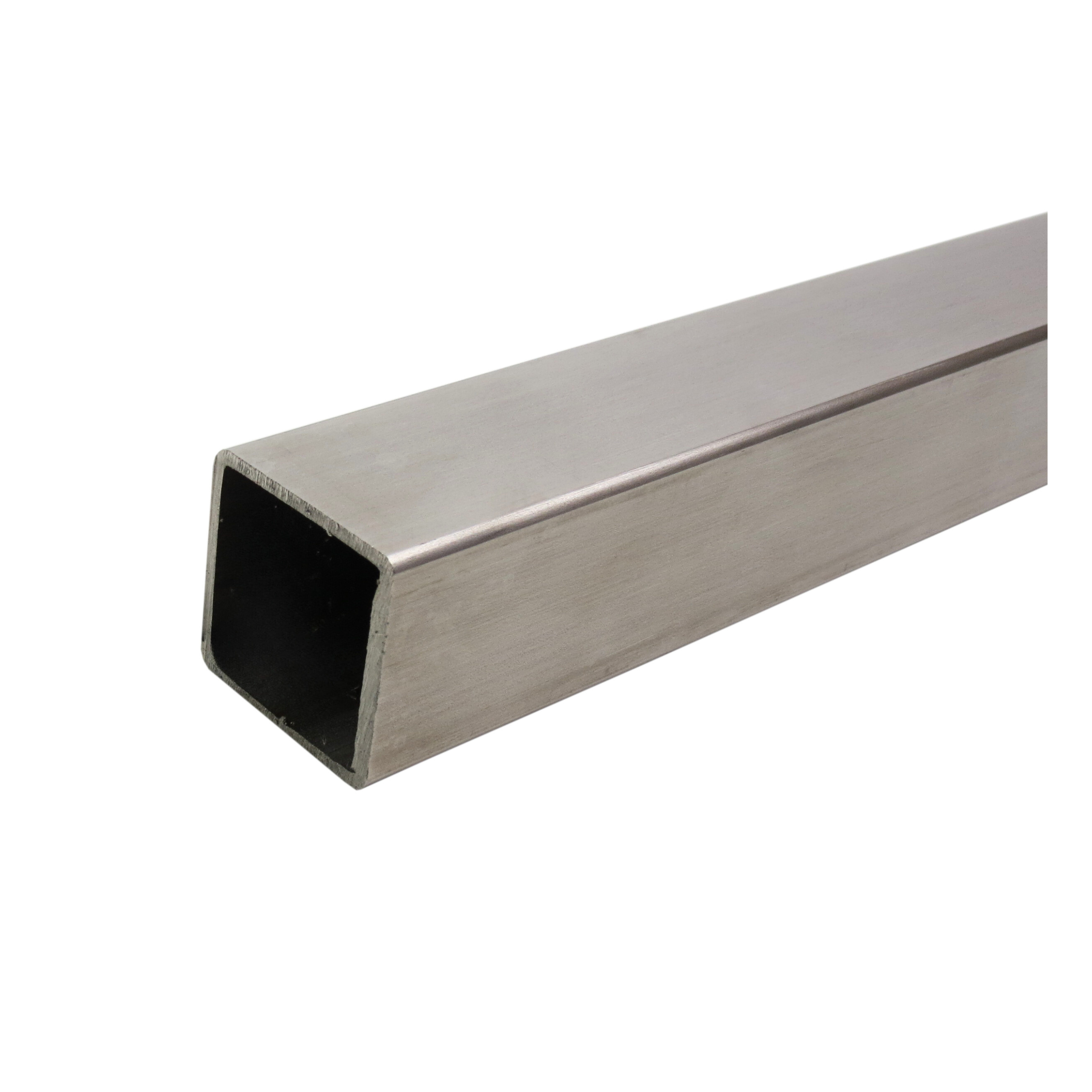
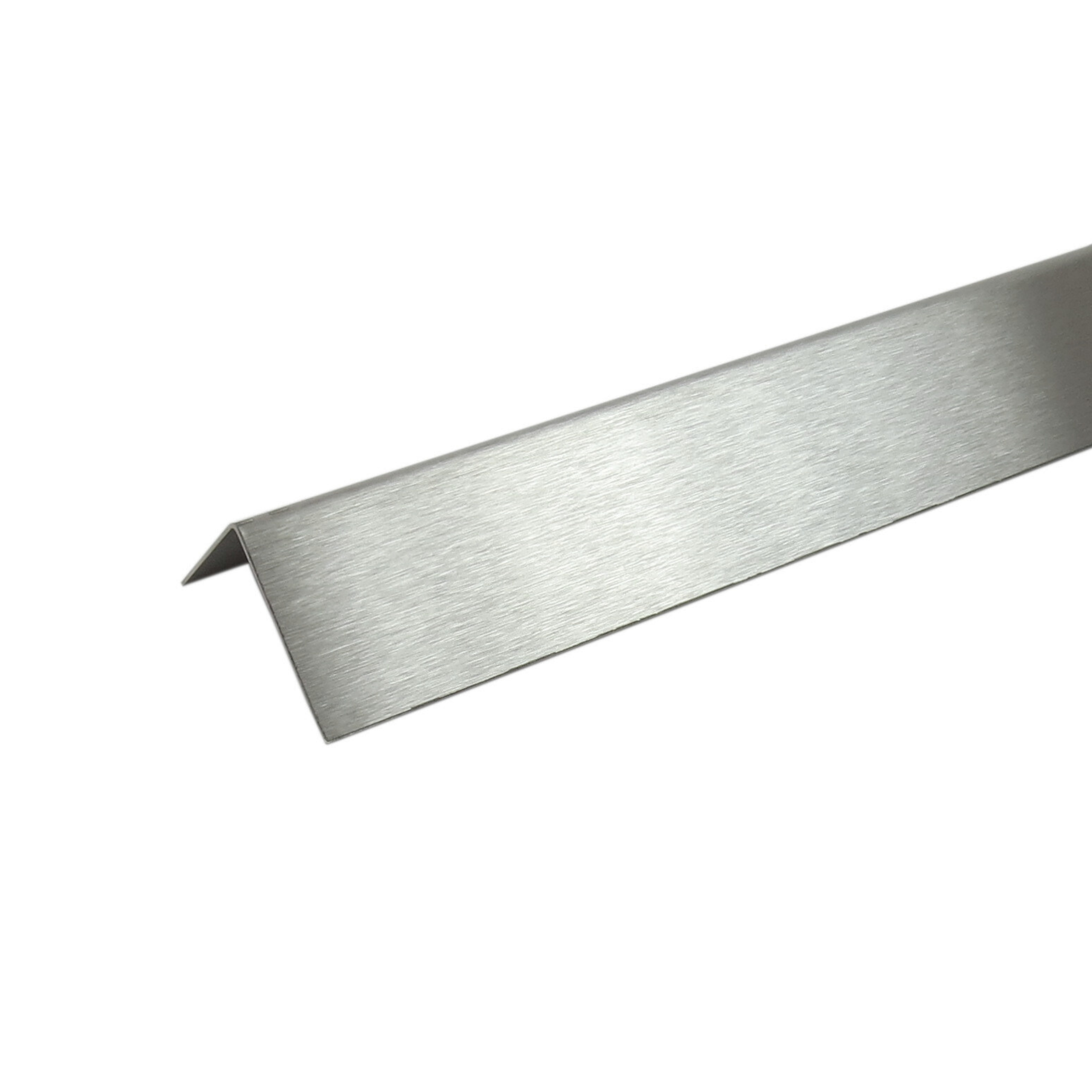
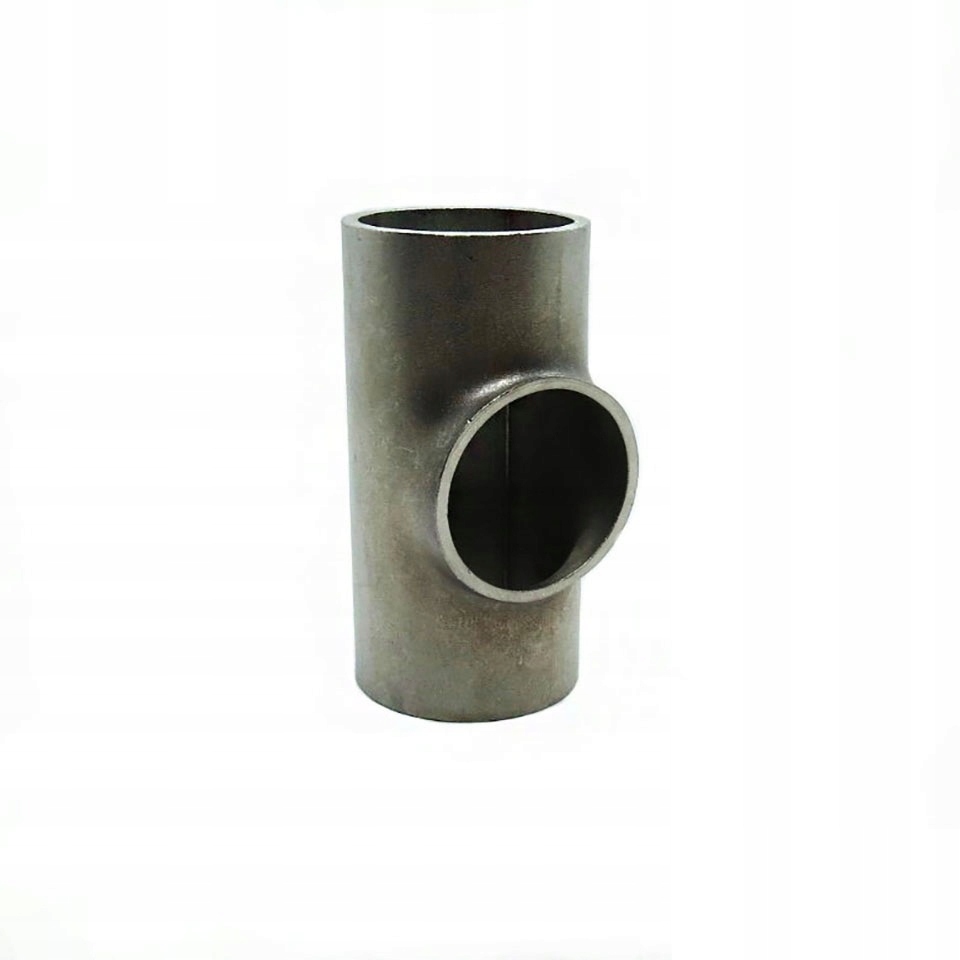
| 304, 304/304L (1.4301) | sheet and plate in 304 from 0.3 to 25 mm and in 304/304L from 0.5 to 15 mm; welded tube in 304 from 4 to 254 mm OD and in 304/304L from 12 to 304 mm OD; round bar in 304/304L from Ø 3 to 150 mm; box section, flat bar, cold-formed angles, butt-weld fittings, hygienic fittings, balustrade fittings |
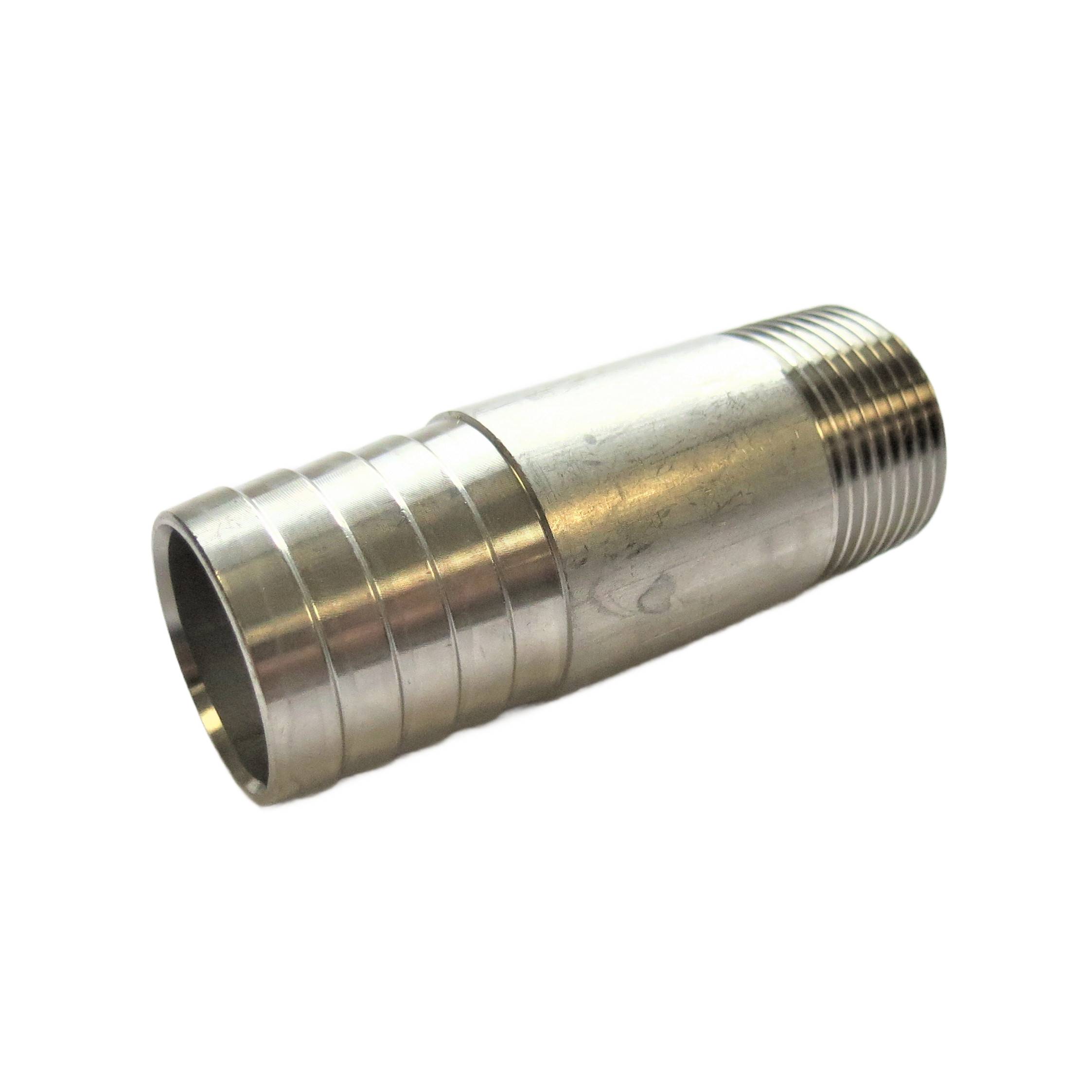
| 316, 316L, 316/316L (1.4401, 1.4404) | sheet and plate in 316 from 0.5 to 25 mm and in 316L from 0.5 to 12 mm (2B); welded tube in 316 from 16 to 88.9 mm OD and in 316L from 12 to 323.85 mm OD; round bar in 316 from Ø 3 to 30 mm and in 316L from Ø 6 to 45 mm; threaded fittings, marine hardware, butt-weld fittings, hygienic fittings |
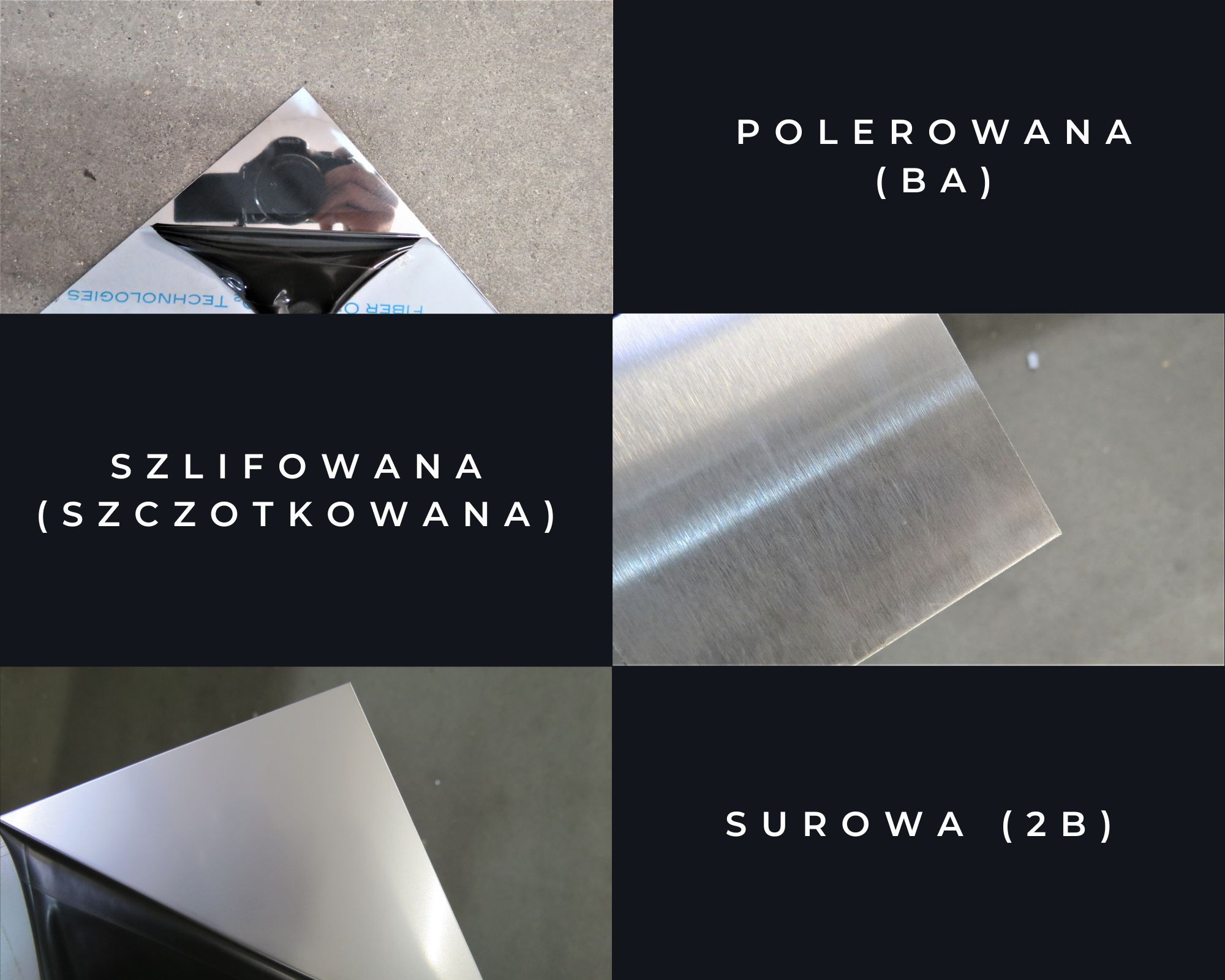
| 430 / H17 (1.4016) | sheet from 0.5 to 3 mm, mostly 2R (BA, bright annealed); polished cold-formed angles from 25 × 25 to 90 × 90 mm, 0.5 to 3 mm thick |
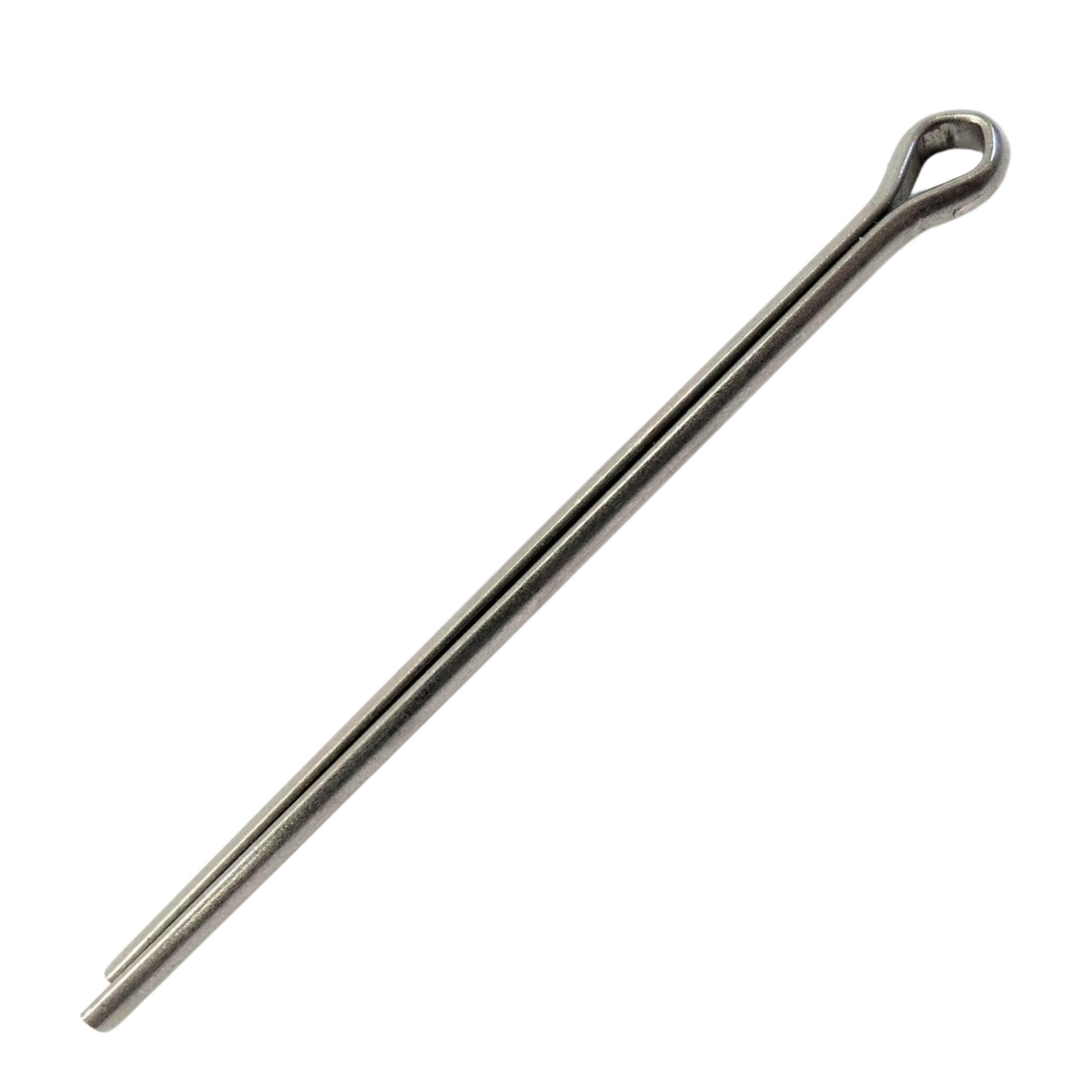
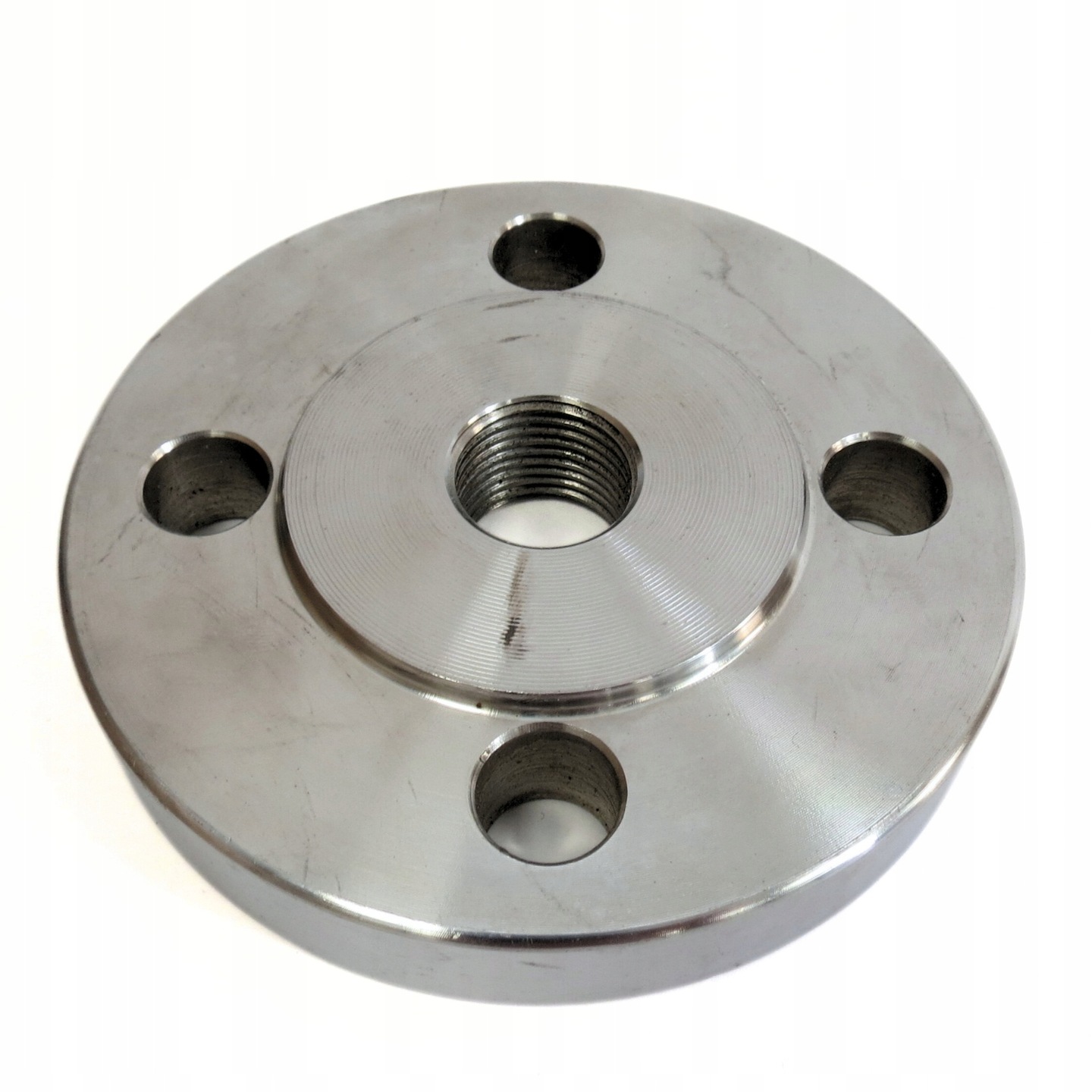
| 321 (1.4541) | seamless tube from 10 to 60.3 mm OD, sheet from 1 to 6 mm, flanges |
| 316Ti (1.4571) | round bar Ø 35 mm, DN 50 weld neck flange |
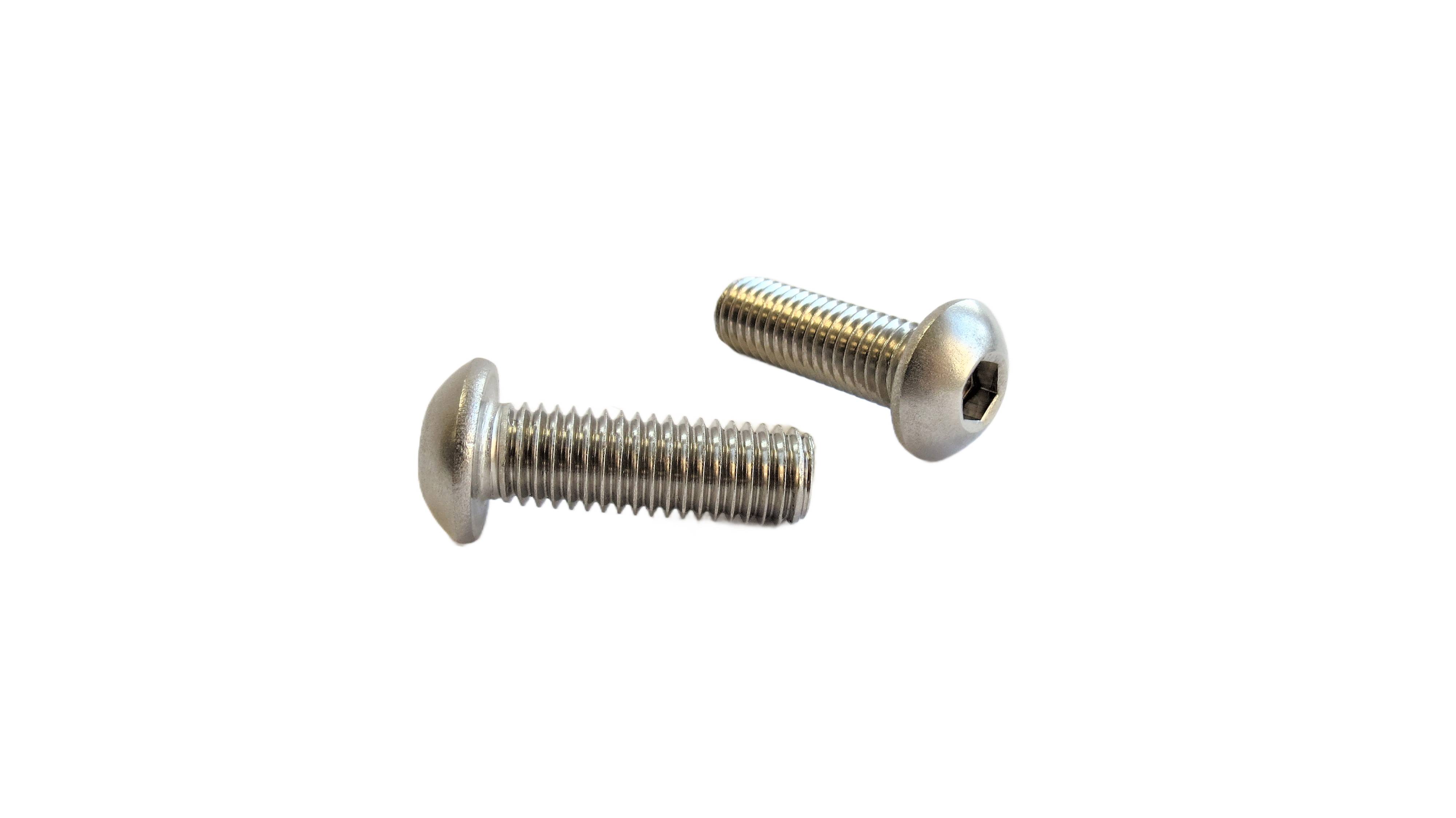
| A2, A4 | fasteners in A2; bolts and anchors in A4 |
- Grade filter. The filter has separate values for 304, 304L, 316 and 316L. Products marked ‘304/304L’ and ‘316/316L’ appear under both values. The shop search recognises AISI designations, A2 and EN numbers: 304, A2 and 1.4301 return the same results, and ‘316’ also finds 316L.
- Products sold by the metre come in full metres only (1, 2, 3 or 4 m). We can cut them to length – enter the lengths you need in the ‘How should we cut it?’ field next to the item in your basket, or in the order notes. More: stainless steel cutting, stainless steel tube, stainless steel bar and flat bar, butt-weld fittings, threaded fittings.
- Sheet cut to size. In our cut-to-size sheet calculator you can choose 304 (2B 0.5–4 mm, 2R/BA 0.5–3 mm, brushed 0.5–3 mm, 1D 5–6 mm), 316 (2B 0.5–3 mm) and 430/H17 (2R/BA 0.5–3 mm). Blanks range from 100 × 100 mm to 1000 × 1450 mm (smaller for some thicknesses). Lead time is up to 3 working days, or 4 working days for 316 in 0.5 and 1.5 mm. See also stainless steel sheet and stainless steel cut to size.
- Inspection certificate 3.1. On request, we include a copy of the 3.1 certificate free of charge with goods for which the manufacturer issues one. This most often applies to stainless steel stock, fittings, valves, mesh strainers, hygienic fittings, unions, flanges and hand hole covers – not to every product. Tick ‘Add inspection certificate 3.1’ on the product page, or in the basket for all products at once. For items cut to size (cut lengths and blanks from the sheet calculator), our customer service team will confirm whether a certificate is available – tick the certificate option and mention it in the order notes, or ask us before you buy. Details: inspection certificate 3.1 (EN 10204).
- Business account – prices excl. VAT throughout the shop and, for regular customers, an individual discount. We currently deliver within Poland only, and prices are in Polish złoty (PLN) with Polish VAT at 23%. Collection in person is free of charge from Dębica or Mielec, Poland; collection orders are paid in advance. Delivery options and charges are on our delivery page.
- Not sure which grade you need? Our customer service team can help you choose the material, grade and dimensions: +48 533 251 824 (Monday to Friday, 7am to 3pm Polish time), bok@jannierdzewny.pl. Tell us the service environment, how the parts will be joined and which documents you require.
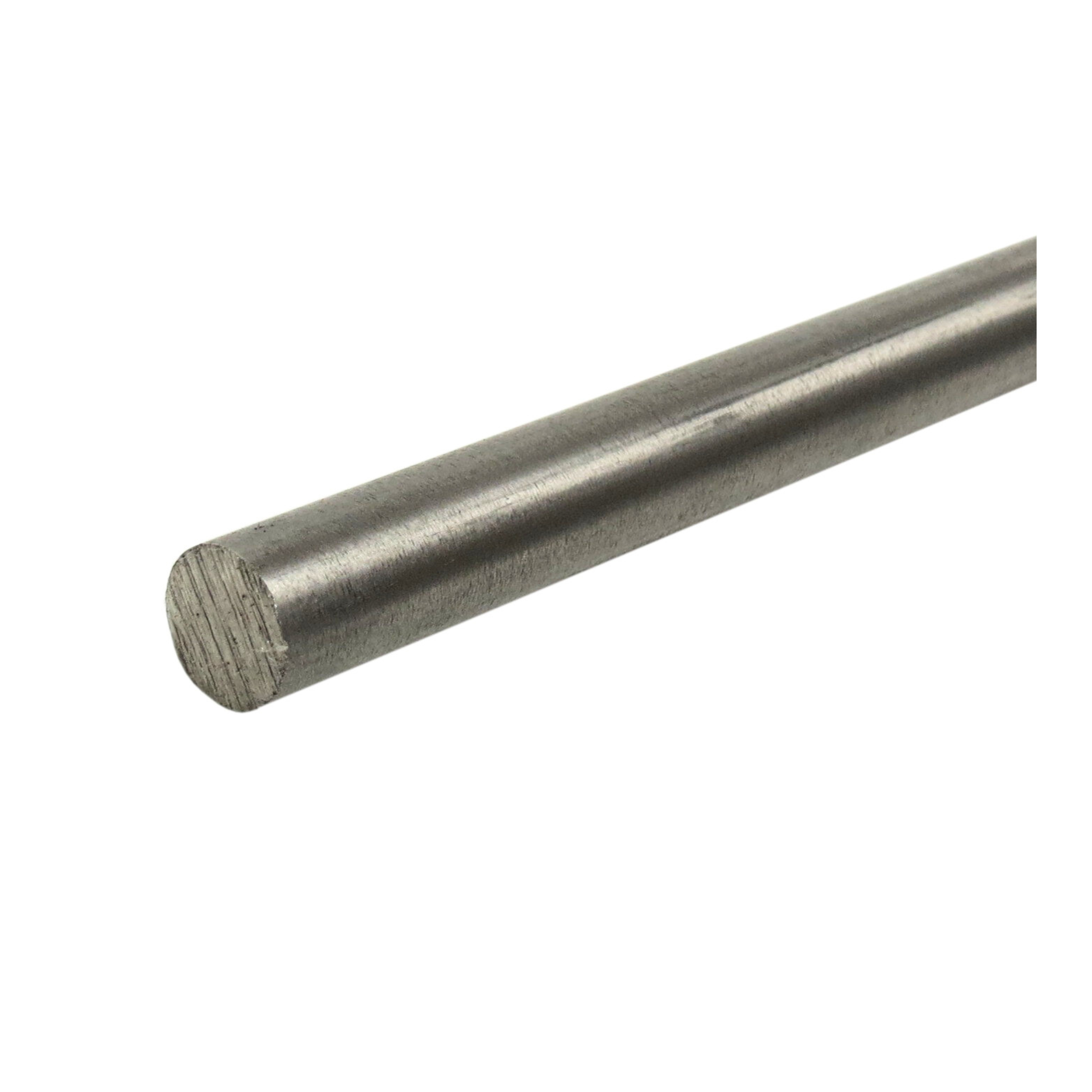
Pręt fi 4 gat. 304/304L
In stock · 1102 mBlacha 0,5x1000x2000 2B+ folia gat. 304
In stock · 27 pcs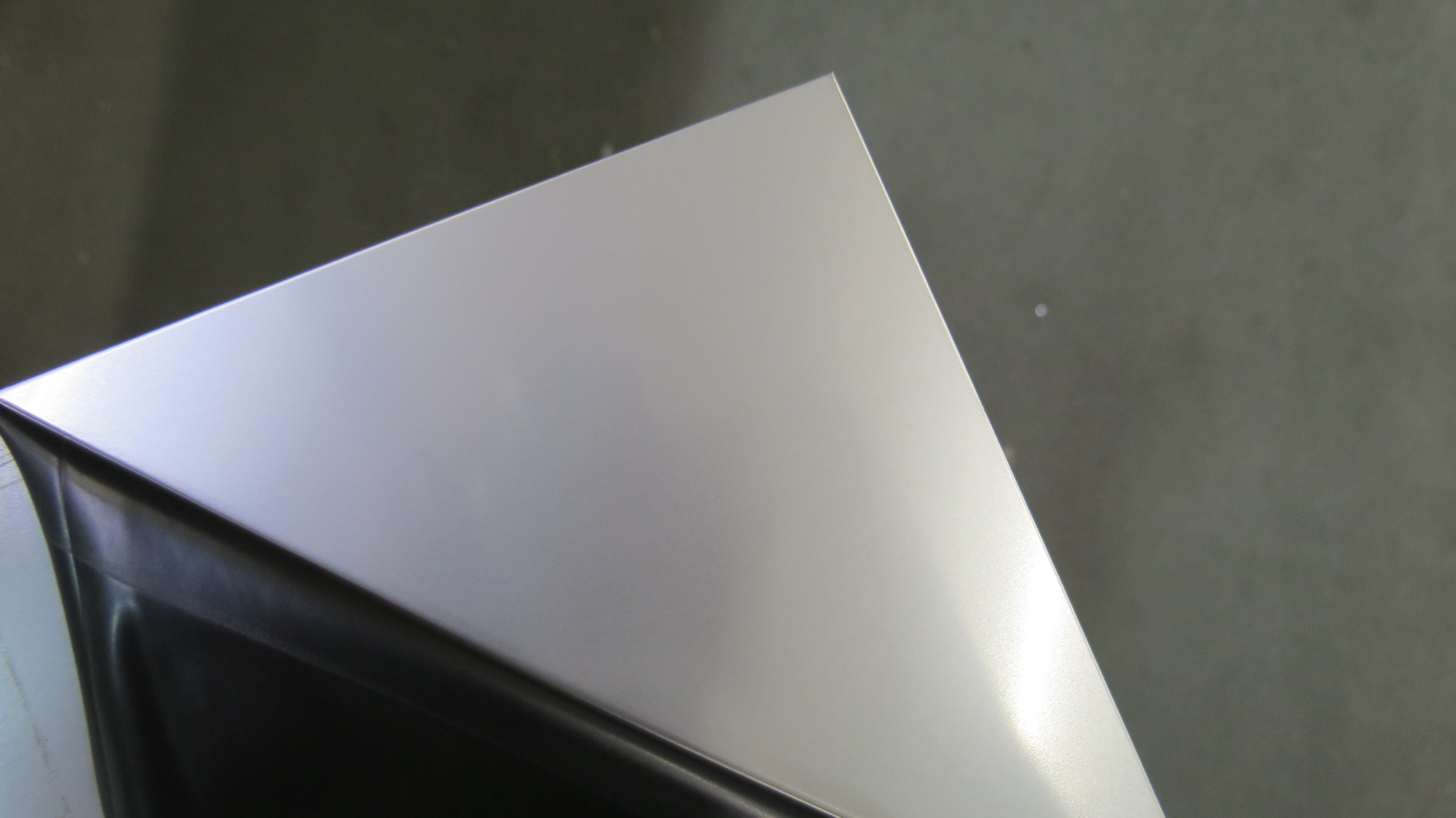
Blacha 0,5x1000x2000 2B+ folia gat. 316
Only 1 pcs left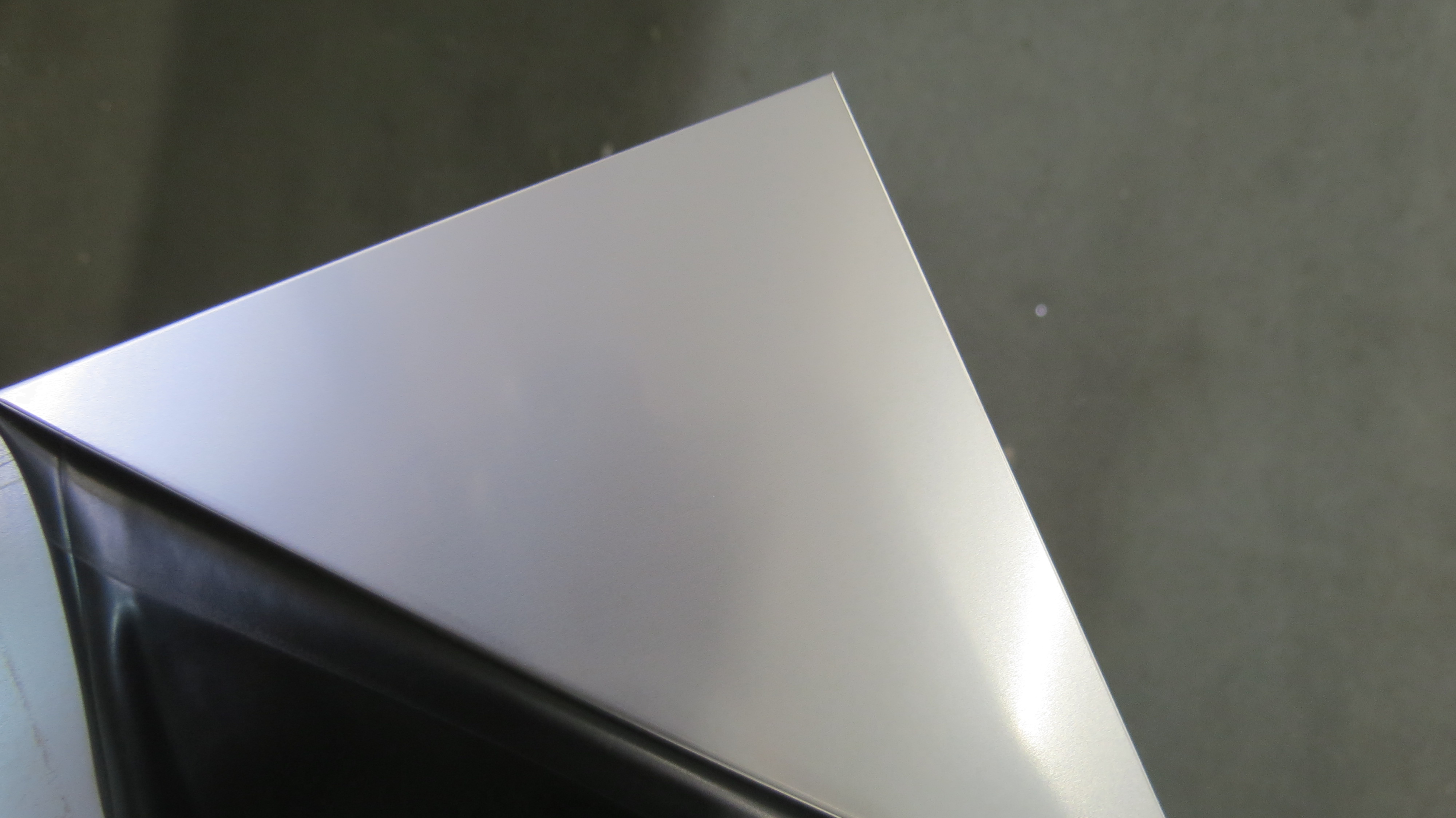
Blacha 0,5x1000x2000 2B+ folia gat. 316L
In stock · 5 pcs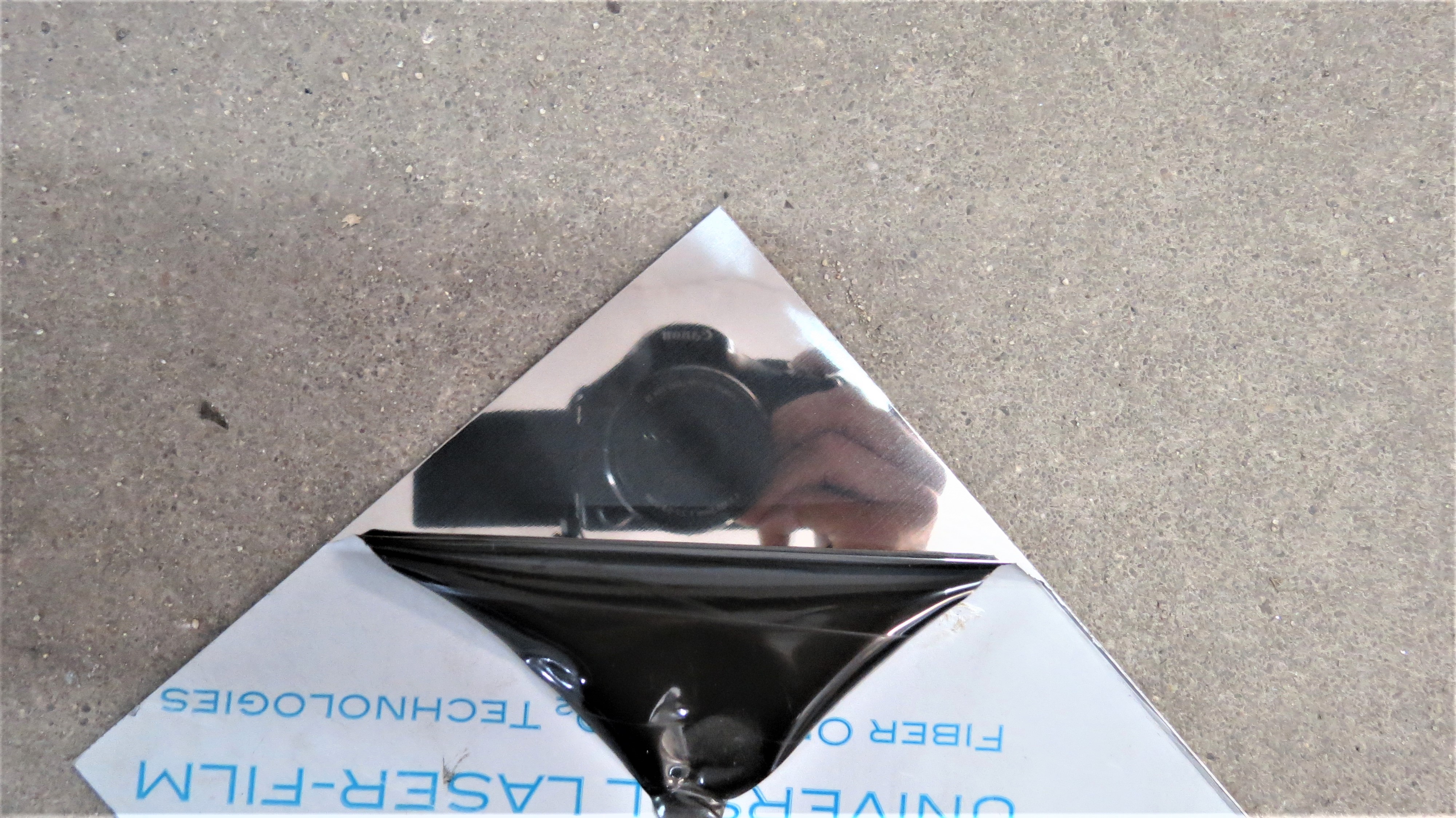
Blacha 0,5x1000x2000 BA+ folia gat. 304
In stock · 11 pcs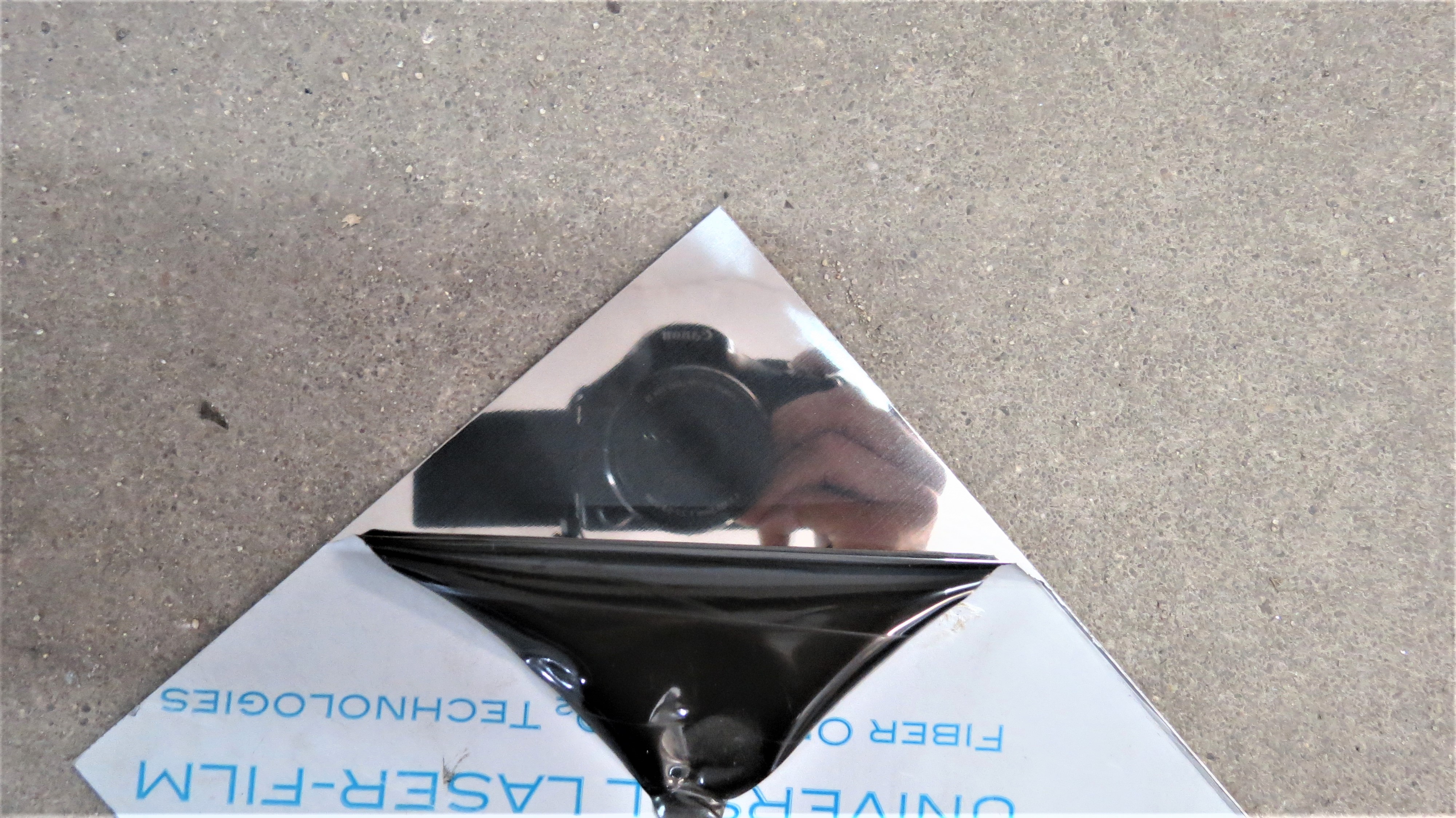
Blacha 0,5x1000x2000 BA+ folia gat. 430
In stock · 8 pcsBlacha 0,5x1000x2000 czarna DC01
Only 2 pcs leftBlacha 0,5x1000x2000 szlif+ folia gat. 304
In stock · 19 pcsFrequently asked questions
What is 1.4301 (0H18N9) and what are its equivalents?
1.4301 is the austenitic stainless steel X5CrNi18-10 to EN 10088, equivalent to AISI 304. Its former Polish designation to PN-71/H-86020 is 0H18N9, and in fasteners it corresponds to group A2. It contains 17.5–19.5% chromium, 8.0–10.5% nickel and up to 0.07% carbon. Likewise, 0H17N12M2 is 1.4401 (AISI 316) and 1H18N9T is 1.4541 (AISI 321).
304 or 316 stainless steel – which should I choose?
316 (1.4401) contains 2.00–2.50% molybdenum and more nickel, so it copes better with chlorides: marine environments, road salt, salty and acidic foods, and frequent cleaning. It is more expensive. In mild and moderate environments, such as kitchen applications, 304 (1.4301) is sufficient. The two grades are similar in mechanical properties and weldability.
316 vs 316L – how does 1.4404 differ from 1.4401 and 1.4571?
1.4404 (X2CrNiMo17-12-2) is AISI 316L. Compared with 1.4401 (316), it has lower carbon (up to 0.030% instead of 0.07%) and a wider molybdenum range (2.00–3.00% instead of 2.00–2.50%). The minimum proof strength of cold-rolled sheet is the same: 240 MPa. In most conditions it is interchangeable with 1.4571 (316Ti); 316Ti only offers an advantage above about 600°C.
Which stainless steel is food grade?
There is no official ‘food grade’ classification. Most food processing vessels, pipework and equipment are made from 304 or 316; 316 is chosen for more corrosive foods and frequent cleaning, and 316L (1.4404) is one of the most widely used grades in the food industry. 430 is suitable for housings and panels without continuous contact with aggressive foodstuffs. For mill products, the relevant document is the inspection certificate 3.1 to EN 10204; a declaration of compliance applies to the finished product.
What is H17 stainless steel?
H17 is the Polish name under which we list grade 430, that is 1.4016 (X6Cr17). It is a ferritic stainless steel with 16.0–18.0% chromium and no nickel. It is magnetic, less corrosion-resistant than 304 and usually cheaper. It is suitable for housings, panels and decorative parts.
A2 or A4 – which stainless steel for bolts?
A2 corresponds to 304, and A4 to molybdenum-bearing 316. Choose A4 where chlorides are present, for example in marine environments. The full designation includes the property class, such as A2-70 or A4-80. When assembling stainless steel parts, use a lubricant and tighten slowly to prevent thread galling.
Is 304 stainless steel magnetic, and can a magnet tell 304 from 316?
Ferritic (such as 430), martensitic and duplex steels are magnetic. 304 and 316 are austenitic and, in the annealed condition, barely respond to a magnet; after cold working, both may respond slightly. A magnet therefore cannot tell 304 from 316. The grade is confirmed by an inspection certificate 3.1 or by chemical analysis.
Need a different size, a larger quantity or cutting services? Send us an enquiry and we will reply with a quote, usually within one working day.