

Stainless steel surface finishes: 1D, 2B, BA, brushed, mirror polished and Ra roughness
The surface finish of stainless steel is about more than appearance. It affects corrosion resistance, how easy the surface is to clean and how much fingerprints show. In short: 1D is hot rolled and pickled (rough and matt), 2B is cold rolled and given a light skin pass (smooth, dull grey), and 2R (BA) is cold rolled and bright annealed (bright straight from the mill). Codes 2G, 2J, 2K and 2P are mechanical finishes: ground, brushed or dull polished, satin polished and bright polished. Below you will find a chart of EN 10088-2 finish codes with their ASTM equivalents, typical Ra values, how grit relates to Ra, and the finish names used in our shop. We currently deliver within Poland only, and all prices are in Polish złoty (PLN).
Stainless steel finishes chart: EN 10088-2 codes and equivalents
Finishes for stainless steel sheet, plate and strip are set out in Table 6 of EN 10088-2 (published in the UK as BS EN 10088-2: technical delivery conditions for sheet/plate and strip of corrosion resisting steels for general purposes). The standard divides them into hot rolled, cold rolled and special finishes. The figure in the code tells you how the material was rolled: 1 means hot rolled, 2 means cold rolled. The letter tells you what happened next: D, B and R are mill finishes, while G, J, K and P are special finishes applied mechanically.
| EN 10088-2 | Process | Appearance | Typical Ra [µm] | ASTM A480 | BS 1449 | Old DIN |
|---|---|---|---|---|---|---|
| 1D | hot rolled, heat treated, pickled | rough, non-reflective | 4–7 (BSSA), 3.5–5.5 (ISER) | No.1 | 1 | IIa (c2) |
| 2D | cold rolled, heat treated, pickled, not skin passed | smooth, matt | 0.4–1.0 | 2D | 2D | IIIb (h) |
| 2B | as 2D, plus a light skin pass | dull grey, slightly reflective, good flatness | 0.1–0.5 (BSSA), 0.3–0.5 (ISER) | 2B | 2B | IIIc (n) |
| 2R | cold rolled, bright annealed (BA) | bright, highly reflective, very smooth | 0.05–0.1 | BA | 2A | IIId (m) |
| 2G | ground | directional, low reflectivity | – | No.3 | 3A | – |
| 2J | brushed or dull polished | directional, smoother than 2G | 0.2–1.5 | No.4 | 3B (or 4) | – |
| 2K | satin polished | smoothest of the non-reflective finishes | transverse < 0.5 | No.6 | 5 | – |
| 2P | mechanically bright polished | non-directional, reflective | < 0.1 (BSSA) | No.8 | 8 | – |
Sources: BSSA – What surface finishes are available on stainless steels, BSSA – Specifying finishes for flat products, ISER MB 965, ISER MB 984. Ra values are typical, not guaranteed. Where no source is given, the value is from BSSA. The standard does not define finishes by Ra, with one exception: 1K/2K (transverse Ra < 0.5 µm). The old DIN designations come from DIN 17440/17441, which were replaced by DIN EN 10088.
Three rules worth knowing before you order:
- Special finishes (G, J, K, P) apply to one side only, unless agreed otherwise at the time of enquiry and order.
- Not every finish is available in every grade.
- Finishes for long products are covered by EN 10088-3 and EN 10088-5. For long products to EN 10088-3, only two special finishes are defined: G (centreless ground) and P (polished).
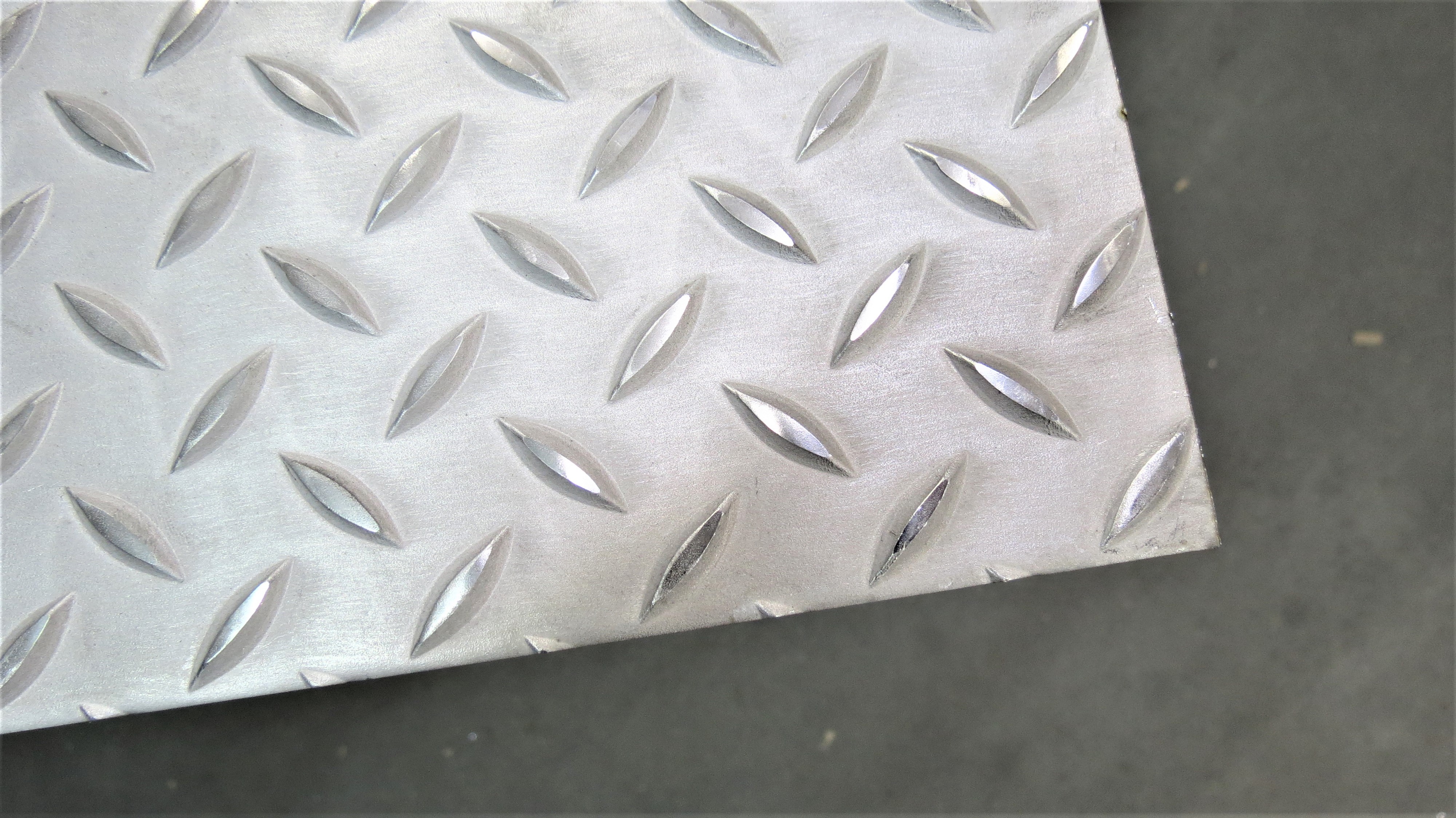
Electropolishing, shot blasting and bead blasting (including glass bead blasting) are not part of Table 6 of EN 10088-2 – electropolishing is covered by BS ISO 15730. Other mill finish codes include 1C, 1E and 1U (hot rolled) and 2C, 2E, 2H and 2Q (cold rolled). Patterned finishes, such as chequer plate, are designated by the letter M (1M/2M). In trade usage, ‘#4’ means ASTM No.4, which corresponds approximately to EN 2J. There is no stand-alone ‘#2’ in the table of equivalents – there are 2B and 2D.
2B finish: what it means and how it differs from 1D
2B is cold rolled, heat treated, pickled and given a light skin pass. It is the most common finish for cold rolled sheet. It is smooth, has good flatness and a dull grey, slightly milky sheen. The typical roughness of a 2B finish is Ra 0.1–0.5 µm (BSSA) or 0.3–0.5 µm (ISER). It is cost-effective, but fingerprints show fairly clearly on it, so it works better where the surface is not touched. The thickness range of 2B sheet is limited by the mill’s skin pass rolling capacity.
1D is hot rolled, heat treated and pickled. It is the most common hot rolled finish and the most corrosion resistant of the hot rolled finishes. It is rough and non-reflective: typically Ra 4–7 µm (BSSA) or 3.5–5.5 µm (ISER). It may show grinding marks. It is not as smooth as 2D or 2B and is typically used as a starting material for further processing.
1D vs 2B in brief: 1D is hot rolled, rough and matt. 2B is cold rolled and smooth, and its typical Ra is many times lower. In our range, plate with 1D in the product name is 4–25 mm thick, and sheet with 2B in the name 0.3–8 mm. In between sits 2D: cold rolled, heat treated and pickled, but without a skin pass, typically Ra 0.4–1.0 µm.
2R (BA) vs mechanical mirror polish (2P, No.8)
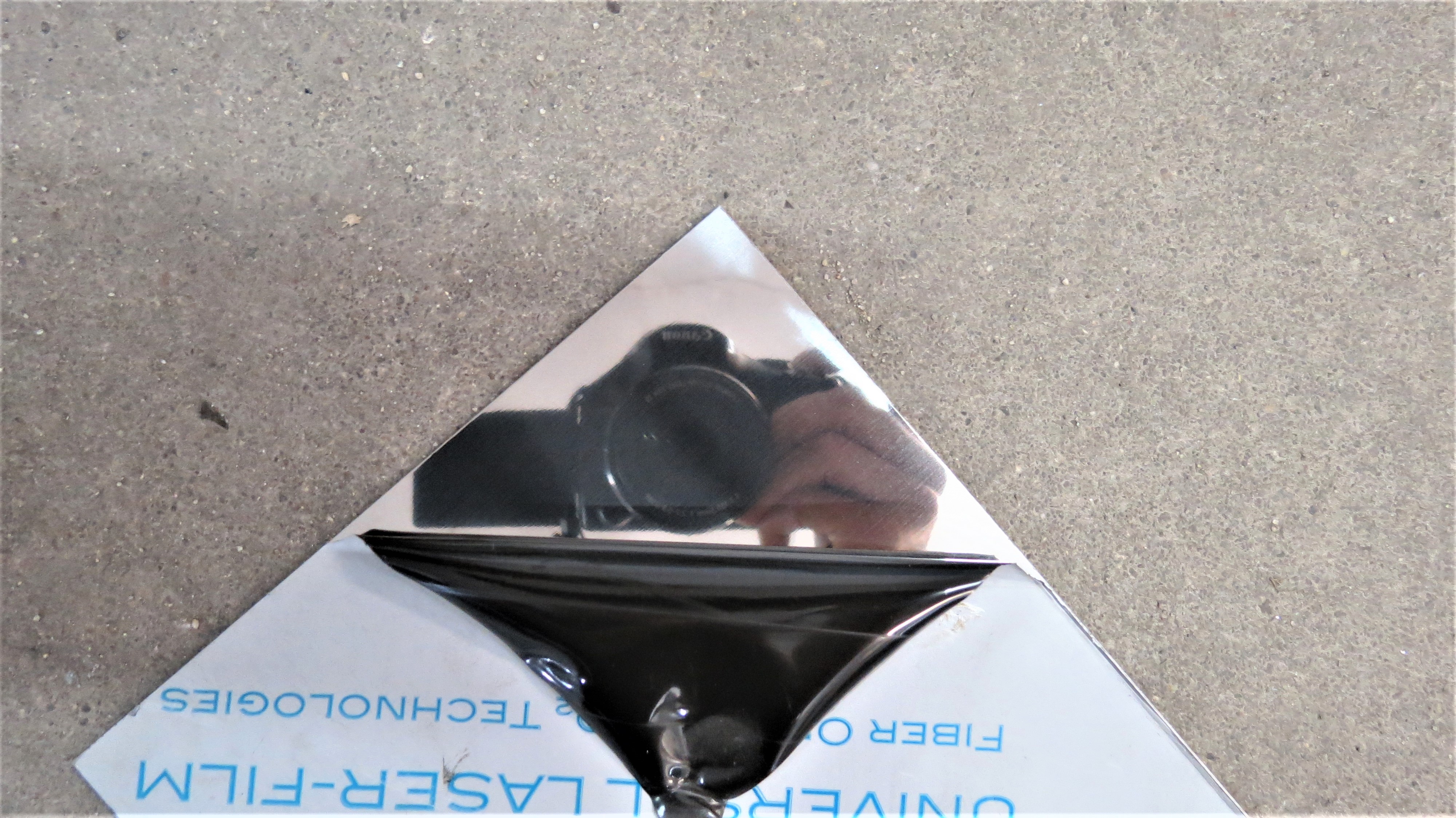
2R, still commonly known as BA (bright annealed), is cold rolled and bright annealed. It is smoother and brighter than 2B. BSSA describes it as a highly reflective ‘mirror’ finish that is very smooth; ISER calls it ‘almost mirror-bright’. Typical Ra is 0.05–0.1 µm. It is often supplied with a protective plastic film for pressing. It is an economical, easy-to-clean mill finish, but it needs non-scratching cleaning products and tools.
BA (2R) is a bright, highly reflective mill finish, not a mechanical polish. There is no standard for the reflectivity of BA, nor a required Ra value (thyssenkrupp Materials UK) – the Ra 0.05–0.1 µm given above is a typical figure. A mechanically polished mirror finish is designated 2P in the standard (ASTM No.8): non-directional and reflective, typically Ra < 0.1 µm (BSSA). No.8 is produced by polishing with progressively finer abrasives, followed by buffing. According to BSSA, 2P is the best surface for corrosion resistance. Mirror polished stainless steel sheet is used, for example, for shatterproof mirrors and lift car panels – but only where professional cleaning is assured, because damage is difficult to repair.
Grade matters. In practice, most grades (304, 316, 316L) take a polish well and can be brought to a mirror finish. Ferritic grades such as 430 are harder to polish – the shine is less intense. Titanium-stabilised grades 1.4541 (321) and 1.4571 (316Ti) cannot be expected to give a completely defect-free mirror finish (BSSA), and ISER considers them unsuitable for decorative surface finishing, because grinding leaves streaks. Choose 1.4307/1.4306 or 1.4404/1.4432 instead. More on grade selection: stainless steel grades.
Ground, brushed, satin and polished finishes: the differences
- Ground (2G) – material is removed with an abrasive. A directional finish with low reflectivity.
- Brushed (2J) – no deliberate attempt is made to remove a surface layer. The same code, 2J, covers dull polished finishes: directional, smoother than 2G, typically Ra 0.2–1.5 µm.
- Satin polished (2K) – the smoothest of the non-reflective finishes, with a transverse Ra < 0.5 µm and corrosion resistance suitable for most external applications. It is usually produced with silicon carbide (SiC) belts. Alumina belts are strongly discouraged for 2K, because they impair corrosion resistance.
- Bright polished (2P) – mechanically polished to a non-directional, reflective surface. Buffing does not remove metal – it is a smoothing process.
Ground vs brushed stainless steel: both have directional lines, but grinding removes material, while brushing makes no deliberate attempt to do so. In our shop, both terms describe one finish: SZLIF / SZCZOTKOWANA (brushed). Ground vs polished: according to BSSA, both remove material, but polishing uses finer grits, and final buffing only smooths the surface. As a rough guide, grits of 80 and coarser are associated with grinding, and grits of 120 and finer with preparing polished finishes (BSSA). Put simply, the difference is often described like this: grinding removes larger irregularities, scratches and welds – the material becomes even, but matt. Polishing gives shine to an already smooth surface, using compounds and gentle tools.
Polished or satin stainless steel? Satin (2K) and brushed (2J) finishes are directional and non-reflective. Brushed finishes are easily damaged, but fingerprints hardly show on them, and dirt runs off more easily when the lines are vertical. Outdoors, 2K performs better than 2J (BSSA). Mirror polished (2P) has the best corrosion resistance according to BSSA, but choose it where appearance matters and someone can clean it professionally, because damage is difficult to repair.
240 and 320 grit finishes (K240, K320) and Ra values
Quotations sometimes describe a ground finish as K240 or K320. Before you order to that description, agree with the supplier exactly what it means, which abrasive is used and what Ra the finished surface will have. ISER gives an approximate relationship between grit and roughness (MB 984, Table 2), and the typical uses of each grit in MB 968:
| Grit | Approx. Ra [µm] | Typical use of the grit (ISER MB 968) |
|---|---|---|
| 36 | – | removing welds (followed by further finishing) |
| 36–60 | – | grinding hot rolled 1D surfaces |
| 80 | 1.80 | 80–120: pre-grinding cold rolled stainless steel |
| 120 | 1.32 | 80–120: pre-grinding; 120, 180 or 240: fine grinding as the final finish or in preparation for it |
| 150 | 1.06 | – |
| 180 | 0.76 | fine grinding as the final finish or in preparation for it |
| 240 | 0.38 | fine grinding as the final finish or in preparation for it |
| 320 | 0.30 | 320 or 400: fine grinding as the finishing treatment |
| 500 | 0.18 | – |
| 600 | 0.13 | – |
These are rough approximations. With the same grit, Ra can vary considerably, depending on the type of abrasive, how worn it is, the contact pressure and the direction of measurement (along or across the lines). One UK stockholder, thyssenkrupp Materials UK, quotes about Ra 0.6 µm for 240 grit on an alumina belt and about Ra 0.3 µm for silicon carbide of around 240 grit. The grit uses given by ISER refer to mill finishes on sheet and strip – do not apply them directly to hand grinding.
Grit size alone does not fully define the finish and must not be used to specify a ground or polished finish (BSSA). Terms such as ‘satin’, ‘polished’ and ‘mirror’ can mean quite different things to different finishing contractors. If you need a specific surface, exchange samples and make them part of the contract (ISER).
Stainless steel surface roughness: how to read and specify Ra
- Ra is the arithmetic mean deviation of the profile from the mean line, usually given in µm. It is also referred to as CLA (ISER MB 984).
- ‘Ra ≤ 0.6 µm’ means that up to 16% of measurements may exceed that value. ‘Ra max 0.6 µm’ means that no measurement may exceed it. A simplified measuring procedure is described in EN ISO 4288, Annex A.
- Rz has no fixed relationship with Ra. As a rule of thumb, Rz is about 6–10 × Ra. Different profiles can have the same Ra.
- Designations such as ‘2B’ or ‘No.4’ cover a wide range of roughness. According to ISER, ASTM No.3 typically has an Ra of up to about 1 µm and No.4 up to about 0.6 µm, and the two ranges can overlap.
For comparison, approximate roughness of other processes (ISER MB 984): final pickling 2.0–12.0 µm, glass bead blasting 1.0–6.0 µm, machining 0.4–6.0 µm, electropolishing 0.1–0.8 µm (depending on the initial condition), mechanical bright polishing 0.1–0.5 µm. That last range is wider than the Ra < 0.1 µm that BSSA gives for 2P – the sources differ, so for a mirror finish state the required Ra value in your order.
Surface finish, corrosion, hygiene and applications
A rough surface finish can effectively lower the corrosion resistance to that of a lower grade of stainless steel (BSSA). Coarser finishes, such as G, can limit corrosion resistance when a grade is working close to the limit of its resistance. Lower roughness means fewer sites where corrosion can start – but ISER points out that this applies generally to electropolished surfaces, and not necessarily to ground or mechanically polished ones. A smoother surface also picks up less dirt.
- Outdoors – 1K/2K is better suited than 1J/2J. The grades most commonly used outdoors are 1.4301/1.4307, with 1.4401/1.4404 in more corrosive environments.
- Construction, balustrades and handrails – ISER recommends not exceeding Ra 0.5 µm and grinding vertically so that rain runs off. For long products and hollow sections, it recommends stating ‘Ra max 0.5 µm’ in the order. Where possible, use pre-ground stock supplied with protective film. Our shop’s product descriptions do not state Ra – if you require ‘Ra max’, confirm it with customer service before ordering. You will find components on our page about stainless steel balustrade fittings.
- Food industry – a smooth surface is easier to clean and reduces the risk of corrosion. Most containers, pipework and equipment in contact with food are made from 304 or 316, while 430 is used for splashbacks, housings and equipment enclosures. There is no official classification of ‘food-grade stainless steel’. In order of corrosion resistance: 1.4401/1.4404 > 1.4301 > 1.4016 (BSSA). For process lines, see DIN 11851 hygienic unions; for pipework, stainless steel butt-weld fittings.
- Surfaces that people touch – fingerprints hardly show on brushed finishes. On 2B they show fairly clearly, and on glass bead blasted surfaces they are difficult to remove – use that finish only where the surface is not touched.
Typical Ra requirements found in grinding and polishing jobs:
- Grinding – Ra 0.8–1.6 µm for ground surfaces and preparation for further processes, 0.4–0.8 µm for the food industry and tanks, 0.2–0.4 µm for pharmaceuticals and cosmetics (where additional polishing is often needed).
- Polishing – Ra 0.8 µm for food tanks and beverage production lines, 0.4 µm for pharmaceuticals and cosmetics, 0.2 µm or less for GMP and medical equipment.
This is information from practice, not a requirement of any standard – take the required value from your project documentation.
Common mistakes when specifying a finish
- Ordering by a word alone – ‘polished’, ‘satin’ or ‘mirror’ – without a code, an Ra value and a sample.
- Confusing BA (2R, a mill finish) with a mechanical mirror polish (2P, No.8).
- Assuming that grit size determines Ra precisely.
- Mirror polishing titanium-stabilised grades (321, 316Ti).
- Using alumina belts for a 2K finish – they impair corrosion resistance.
- Using abrasives and tools that have previously been used on carbon steel. This is often the cause of rust staining on mechanically polished stainless steel.
- Jumping too far between grits when bright polishing. From one step to the next, the grit number should at most double (for example 120 → 240). When grinding by hand, follow the direction of the existing grind lines, and if in doubt, choose a grit that is too fine rather than too coarse.
- Leaving protective film on for too long. UV, heat and cold harden the adhesive, and the film no longer peels off cleanly. Some films have no UV resistance, others are rated for 3 or 6 months (BSSA). Keep the factory film on for as long as possible during fabrication and installation, and remove it promptly once the work is finished. After final finishing, protect the structure with film again. More on fabrication: bending stainless steel.
- Forgetting that a special finish applies to one side by default. If you need both sides finished, say so in your order.
Finishes in our shop and how to order
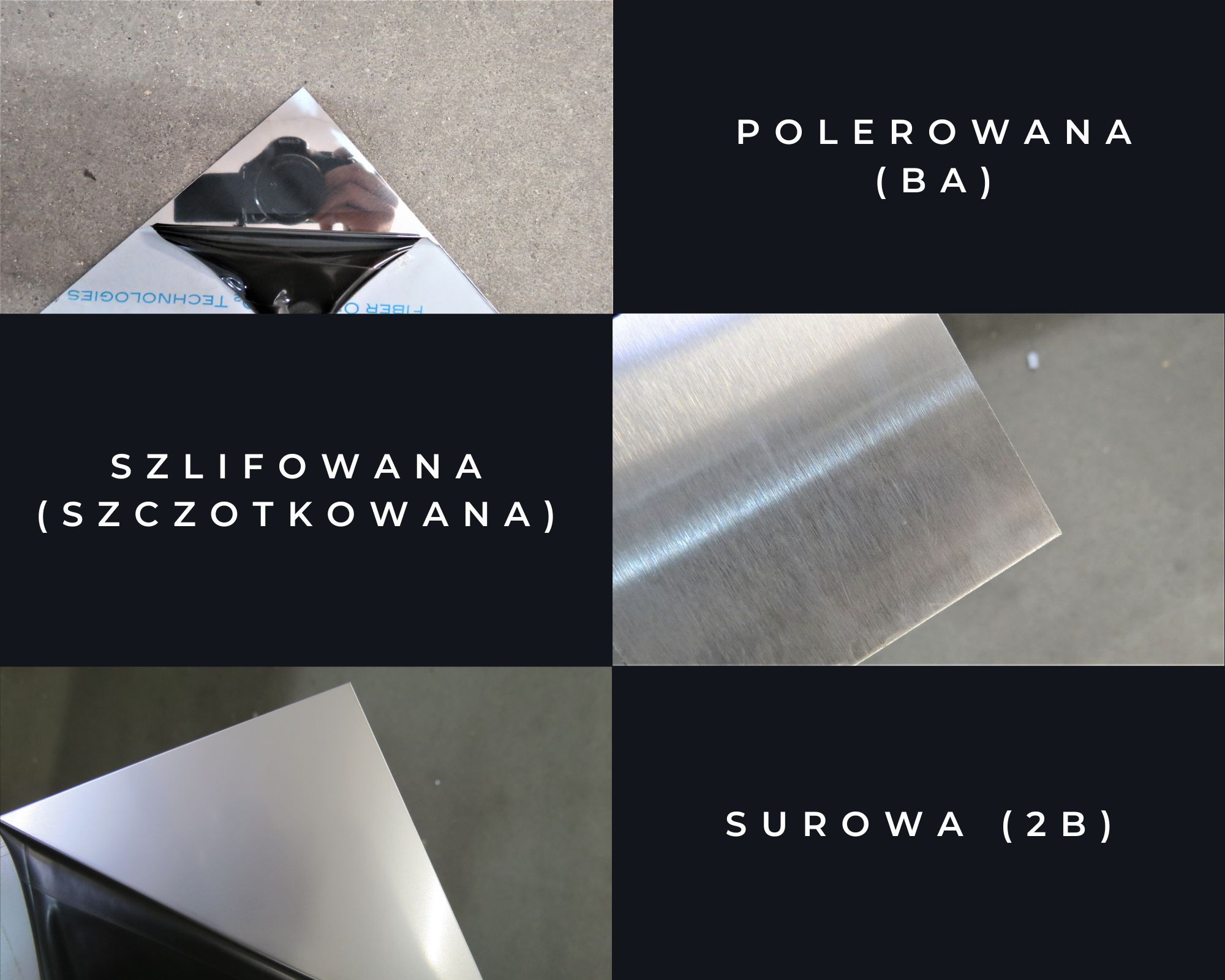
Product names and attributes in our shop are in Polish. The ‘Wykończenie’ (finish) attribute has three values: SUROWA (2B), SZLIF / SZCZOTKOWANA (brushed) and POLER (BA). ‘POLER (BA)’ is the label we use for the bright, reflective finish on sheet. Hot rolled sheets have 1D in the product name. Tube can be filtered by finish and grade, among other things, and tube and box section are divided into the categories Poler (polished), Szlif (brushed) and Surowe (unpolished, mill finish). The shop search treats the Polish terms ‘poler’ and ‘BA’, ‘szlif’ and ‘szczotkowana’, and ‘surowa’ and ‘2B’ as equivalent.
| Product | Finish in the shop | Range |
|---|---|---|
| Sheet | SUROWA (2B) | 0.3–8 mm |
| Sheet | SZLIF / SZCZOTKOWANA (brushed) | 0.5–5 mm, with protective film |
| Sheet | POLER (BA) | 0.5–3 mm, grades 304 and 430 |
| Hot rolled plate | 1D (in the name) | 4–25 mm, grades 304, 321 and 316 |
| Welded tube | Poler (polished) | 304, 304/304L, 316, 316L, from 10 × 1 to 104 × 2 mm |
| Welded tube | Szlif (brushed) | 304, 304/304L, from 12 × 1.5 to 129 × 2 mm |
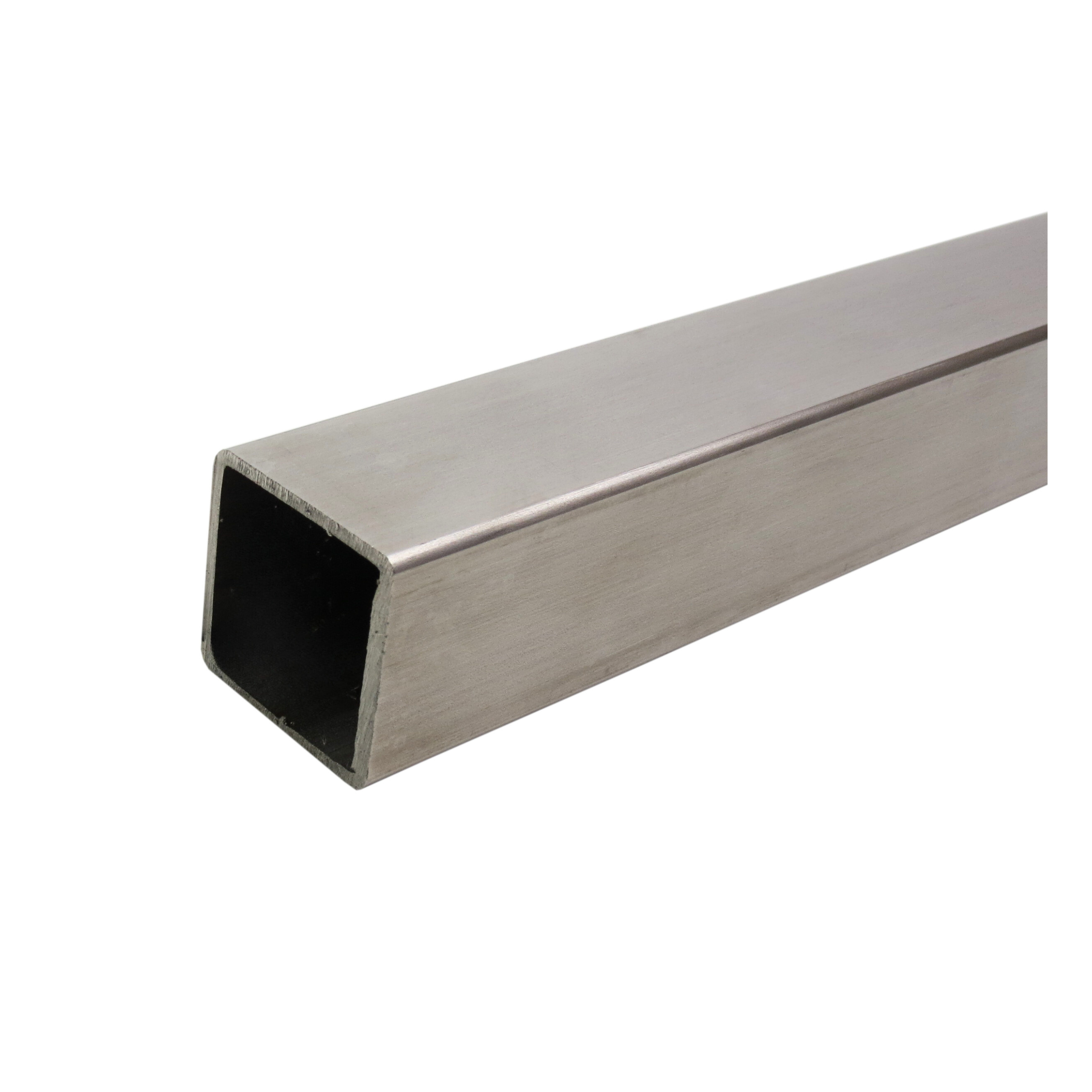
| Box section | Poler (polished) | 304/304L, from 10 × 10 × 1 to 60 × 60 × 2 mm |
| Box section | Szlif (brushed) | 304/304L, from 15 × 15 × 1.5 to 80 × 80 × 3 mm |
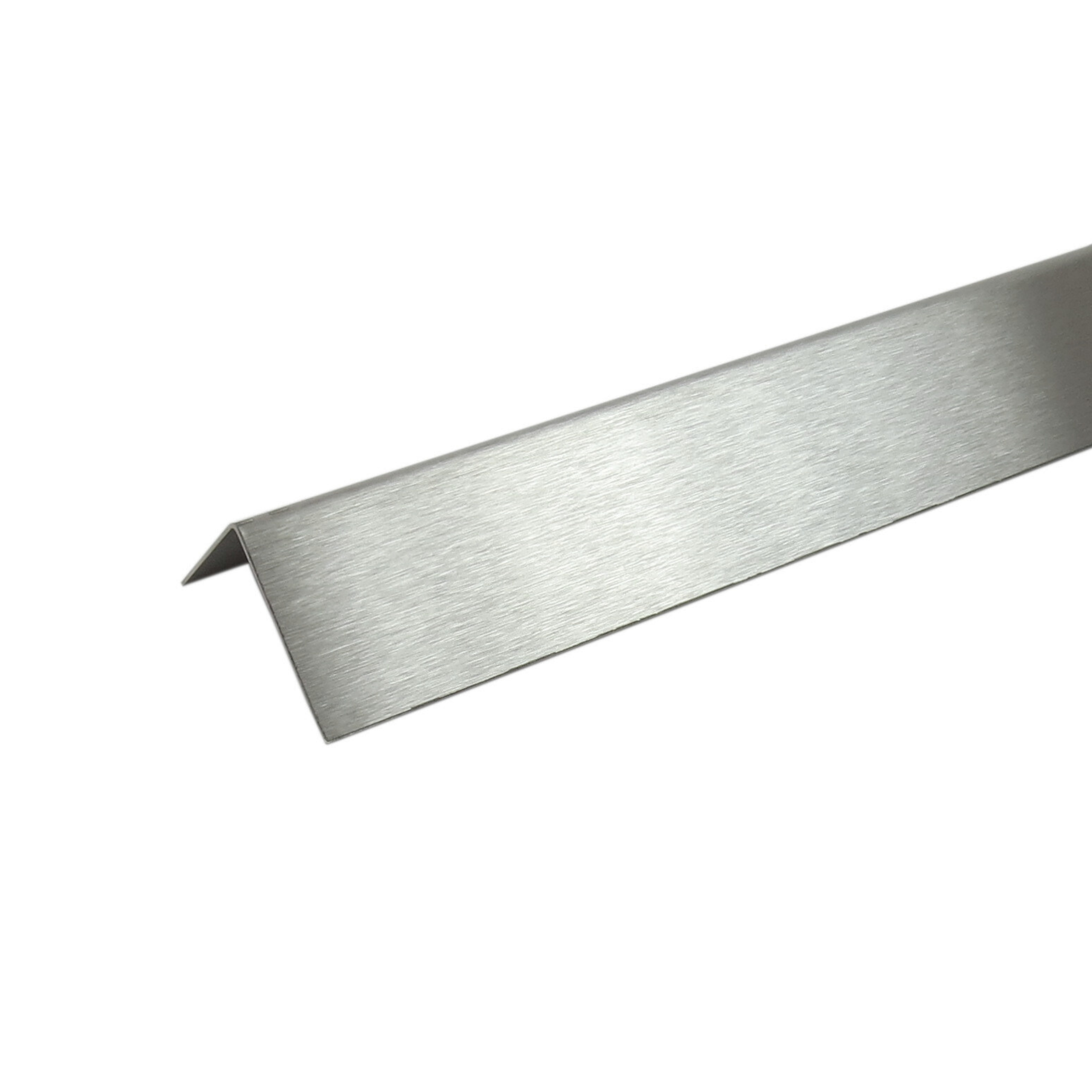
| Cold-formed angles | brushed, BA | 304 brushed, 304 BA, 430 BA; protective film on one side, the other side may have scratches |
Bar, flat bar and hot rolled angles have no finish attribute in the shop – see stainless steel bar and flat bar. Our full sheet range is described on our page about stainless steel sheet, and our tube range on the page about stainless steel tube.
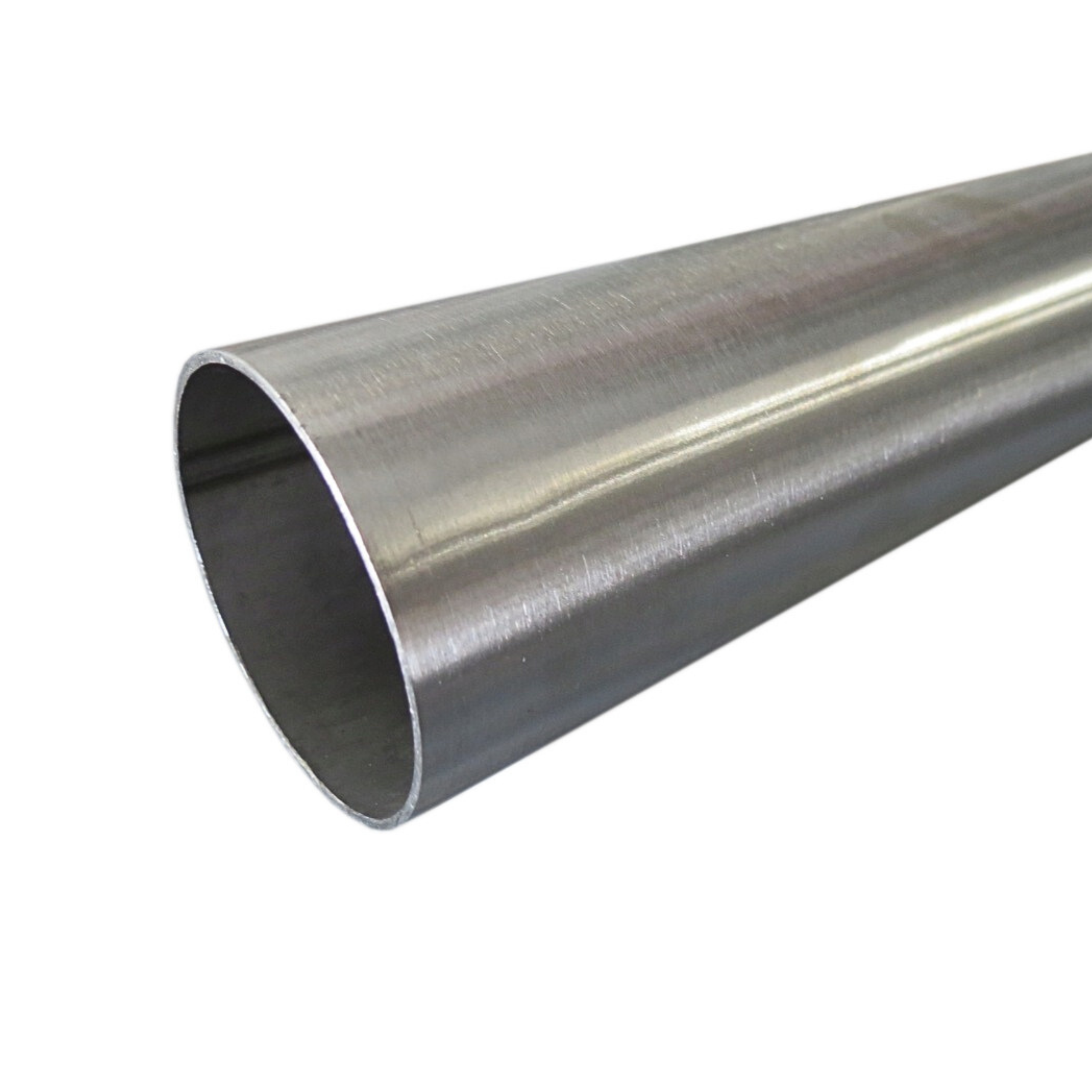
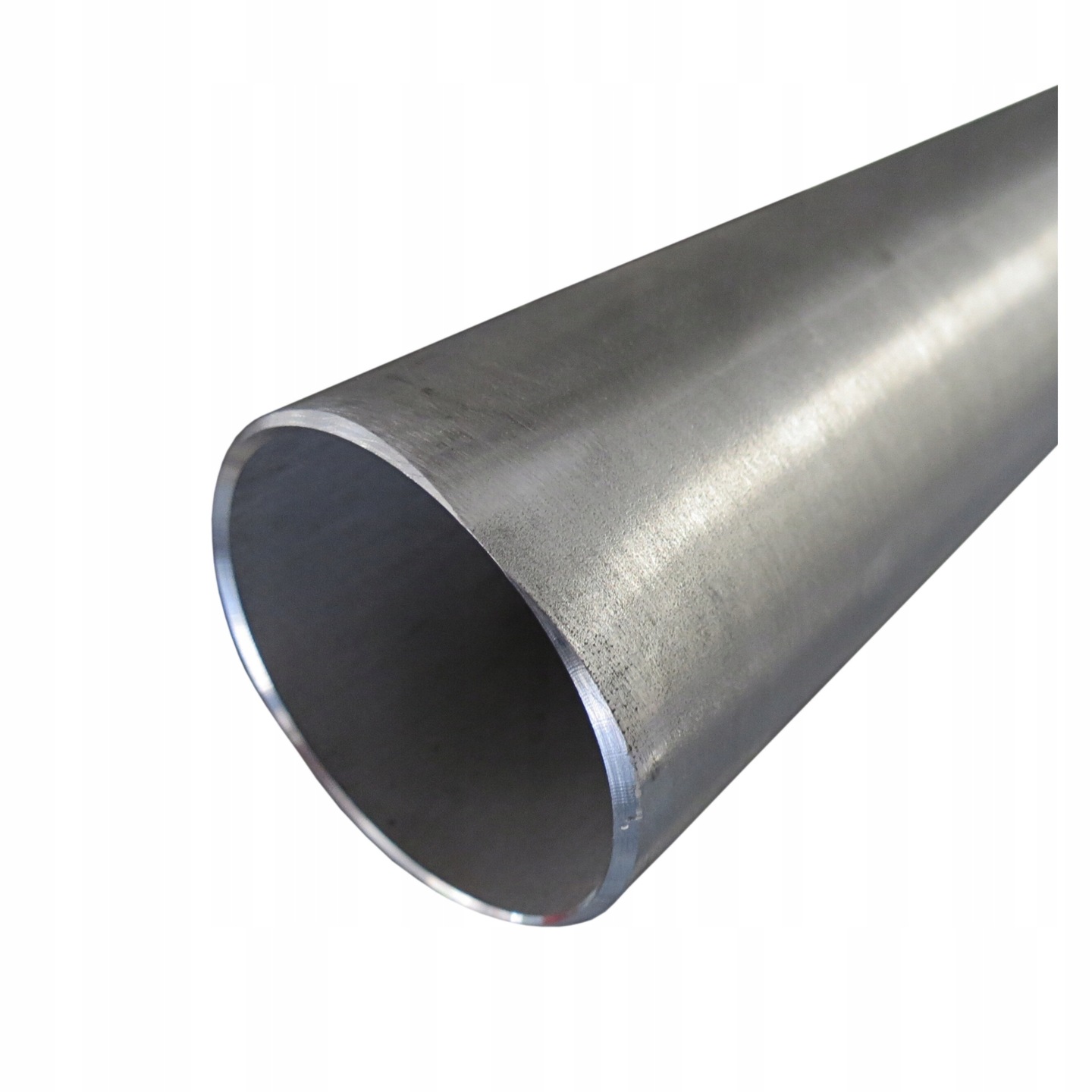
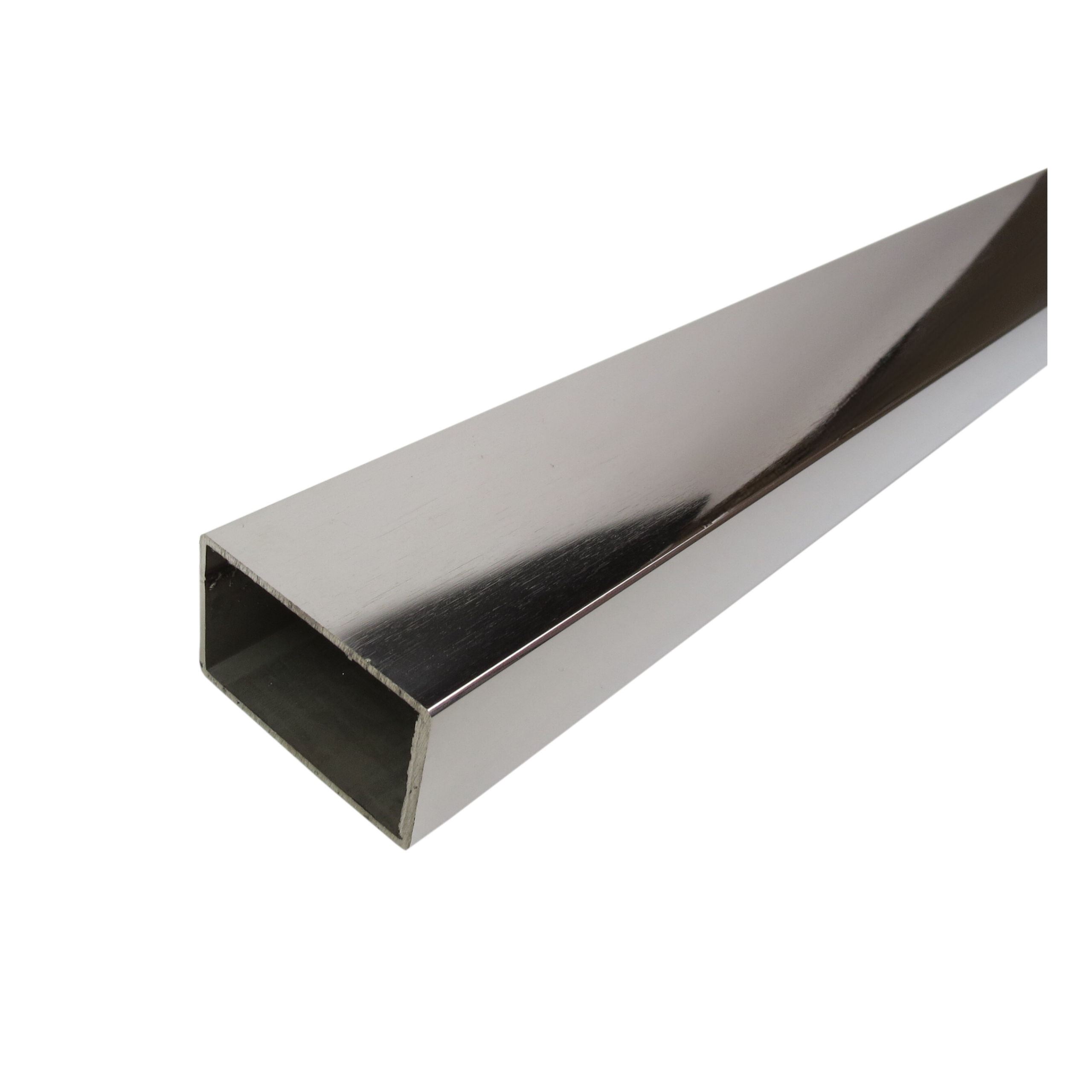
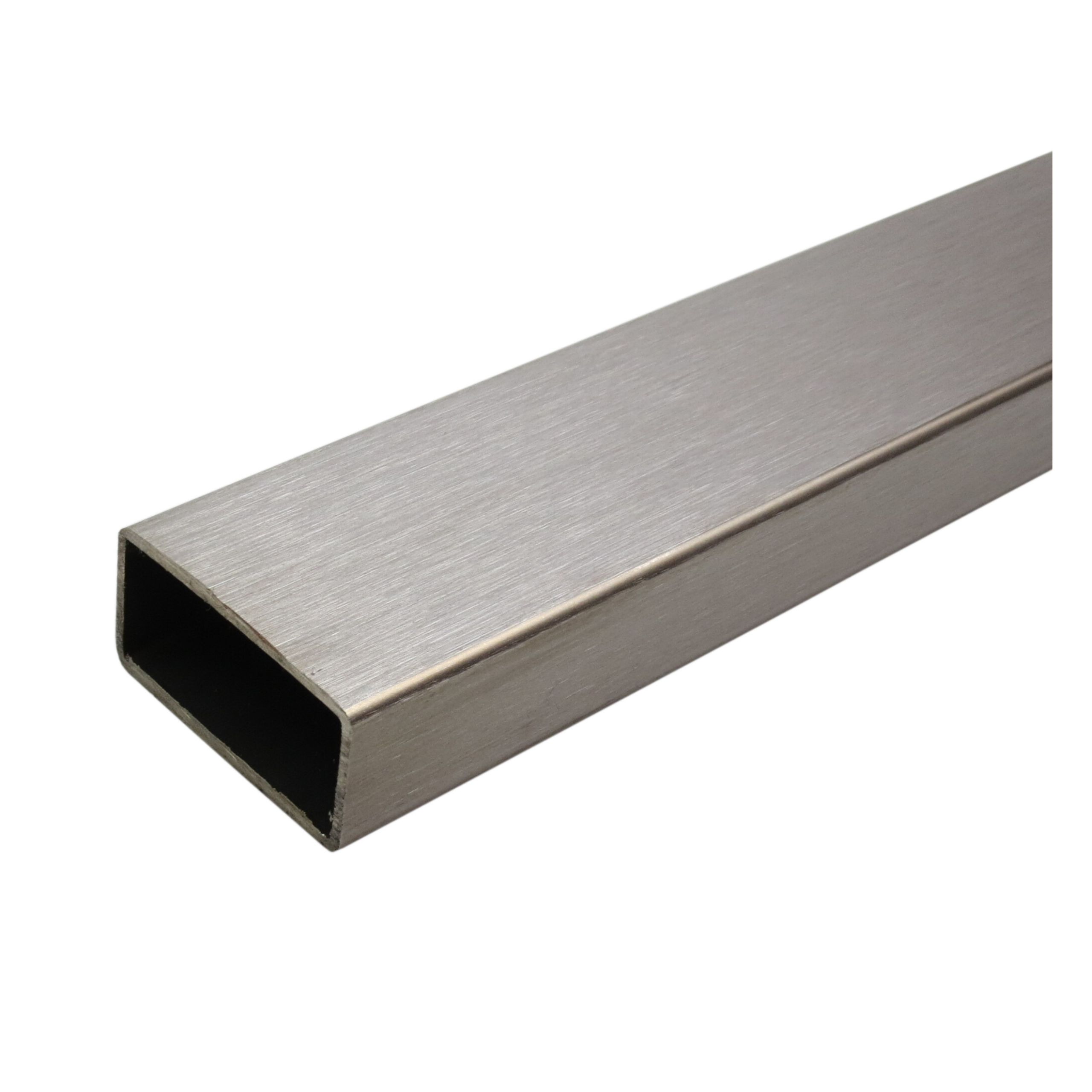
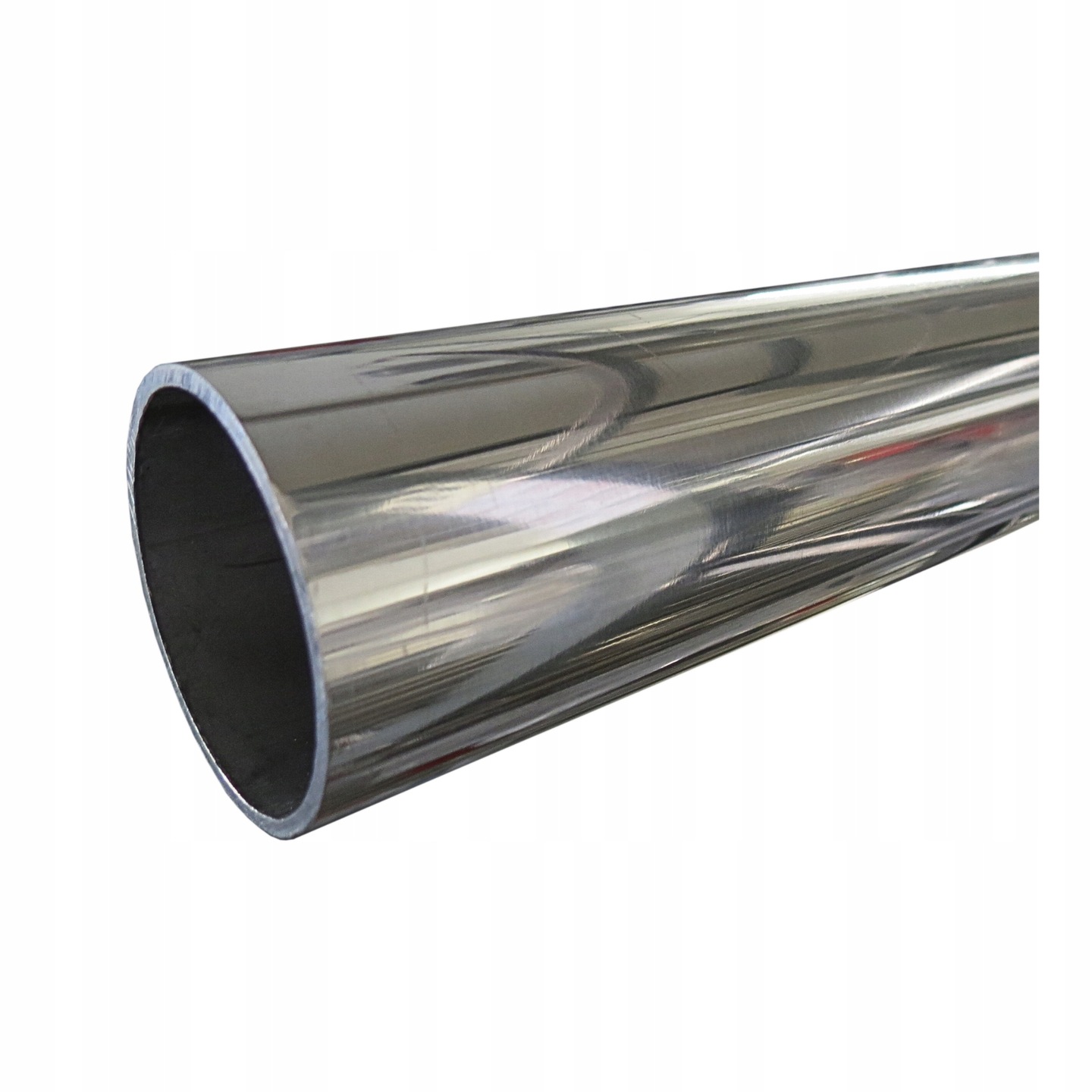
Polished and brushed stainless steel tube
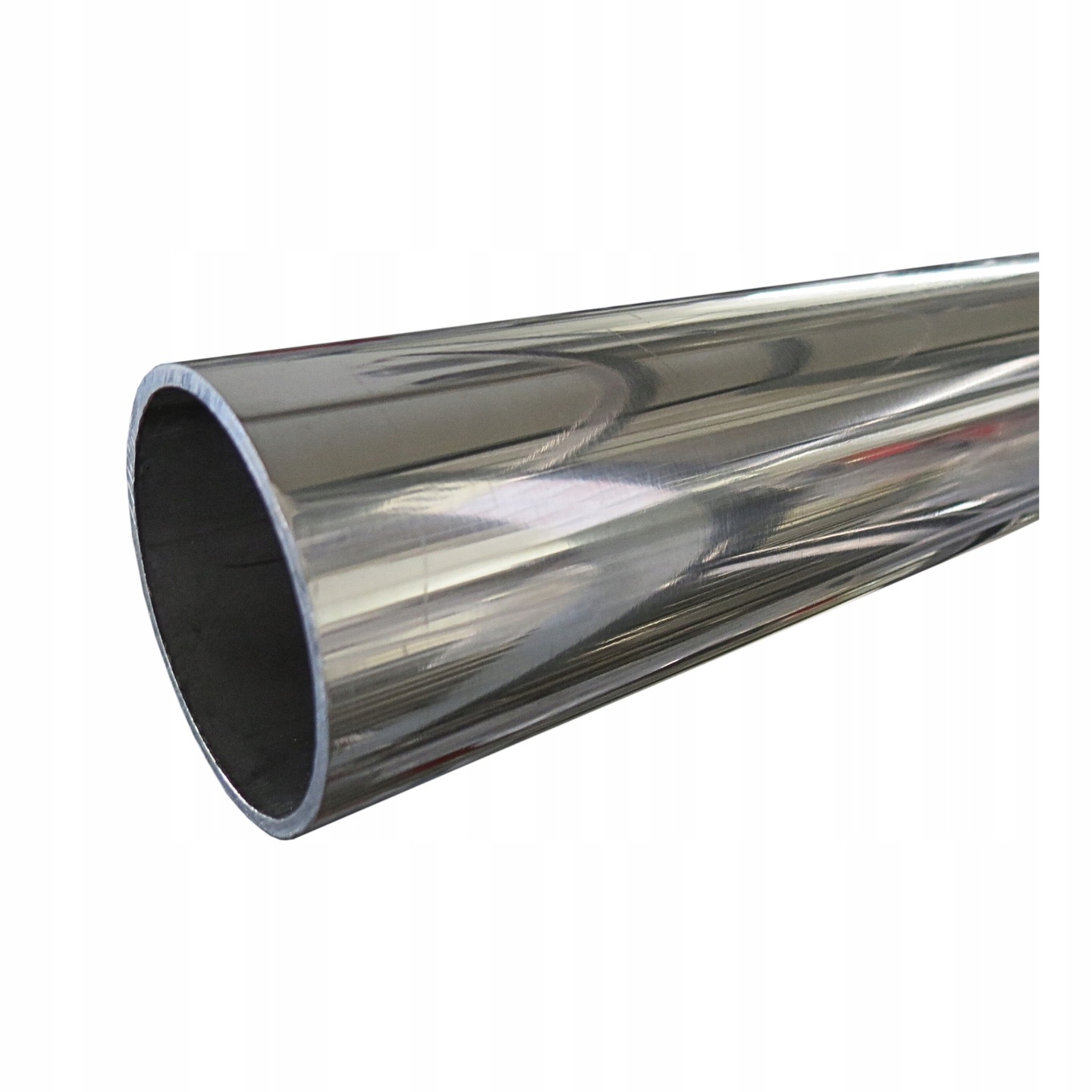
Polished welded tube is listed in sizes from 10 × 1 to 104 × 2 mm (outside diameter × wall thickness), mostly in grade 304. Brushed tube runs from 12 × 1.5 to 129 × 2 mm, in 304 and 304/304L. Tube is sold in full metres only: 1, 2, 3 or 4 m. For other lengths, enter your instructions in the ‘How should we cut it?’ field next to the item in your basket, or in the order notes – more on our page about cutting stainless steel.
Rura 101,6x1,5 poler gat. 304/304L
In stock · 5 m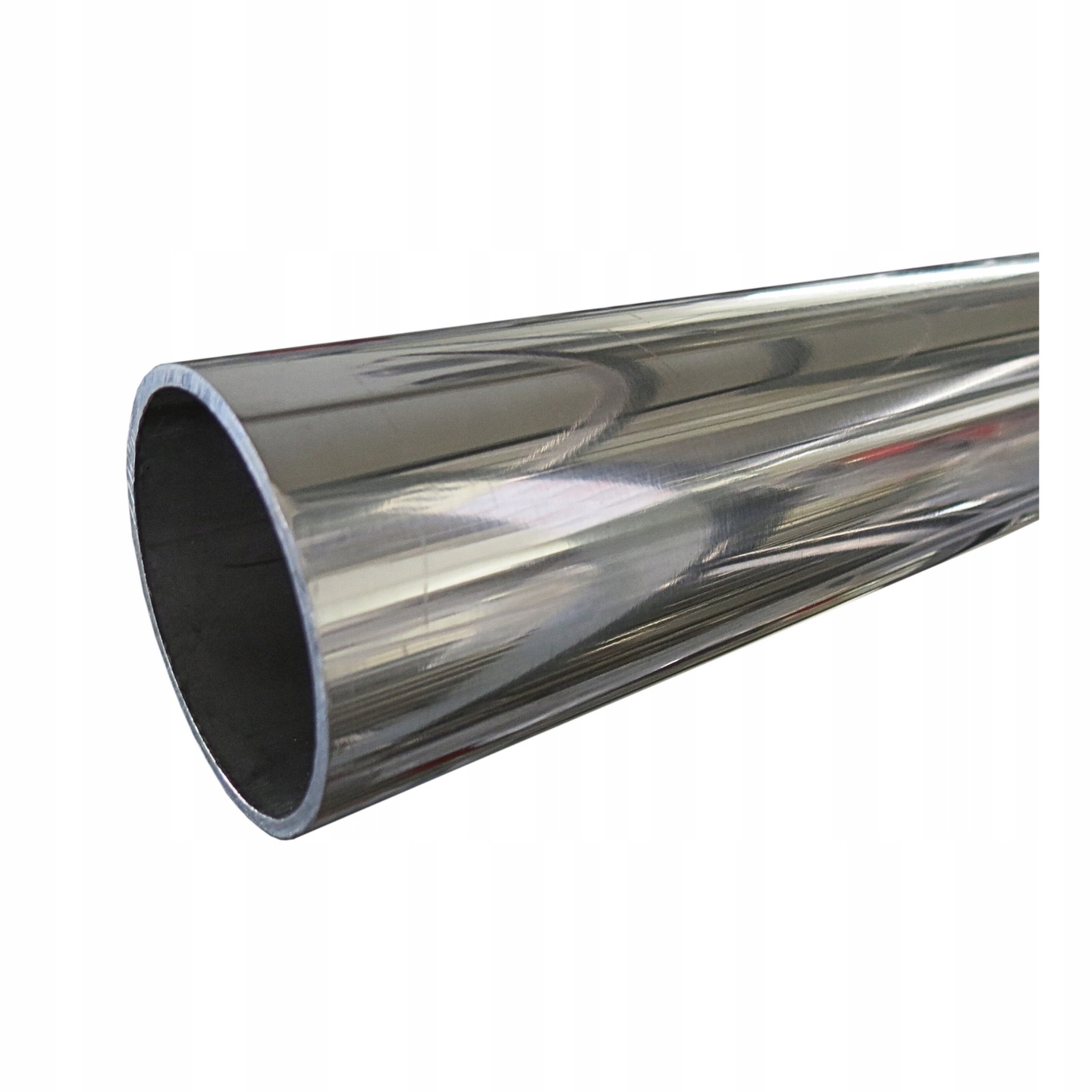
Rura 101,6x2 poler gat. 304
In stock · 16 m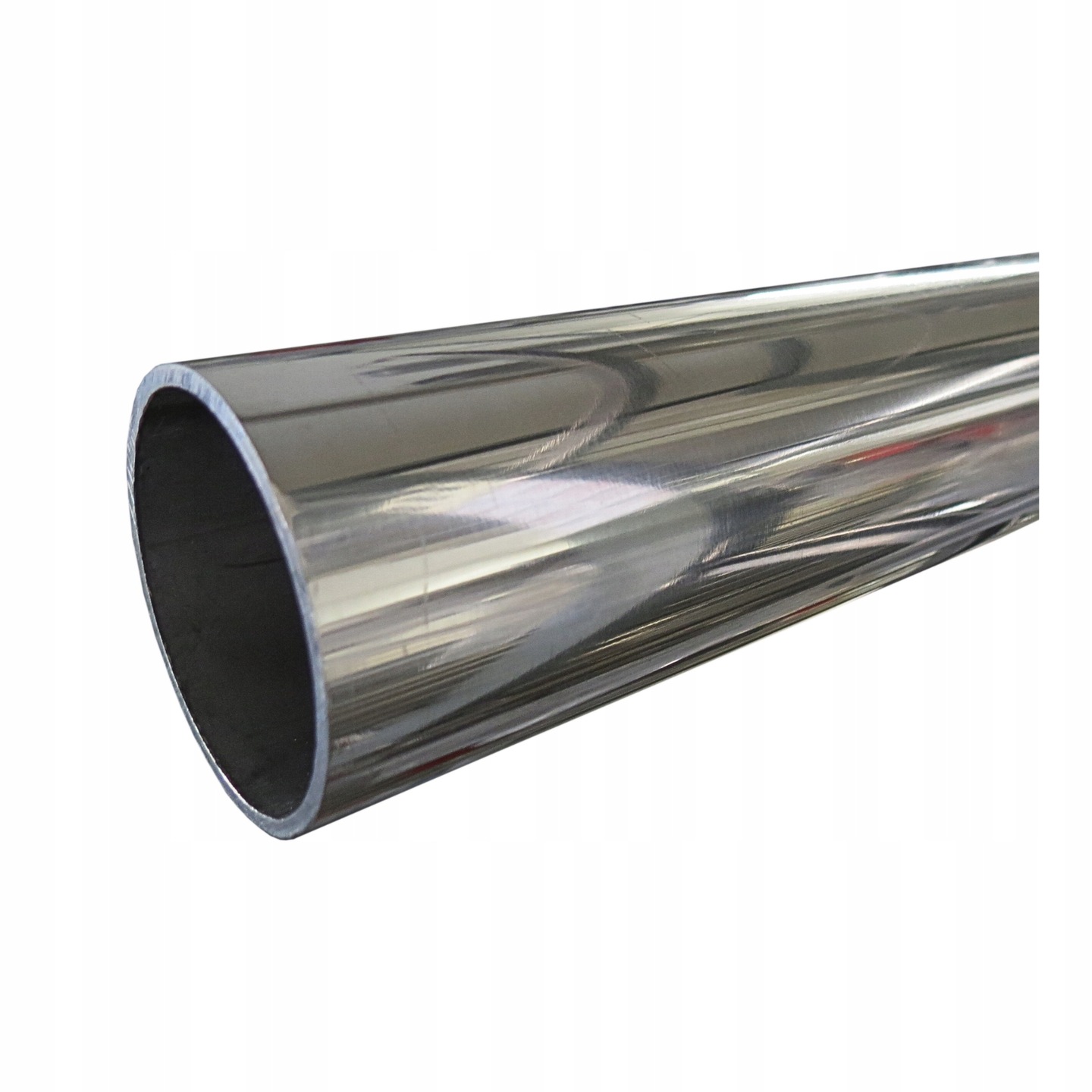
Rura 104x2 poler gat. 304
Only 1 m left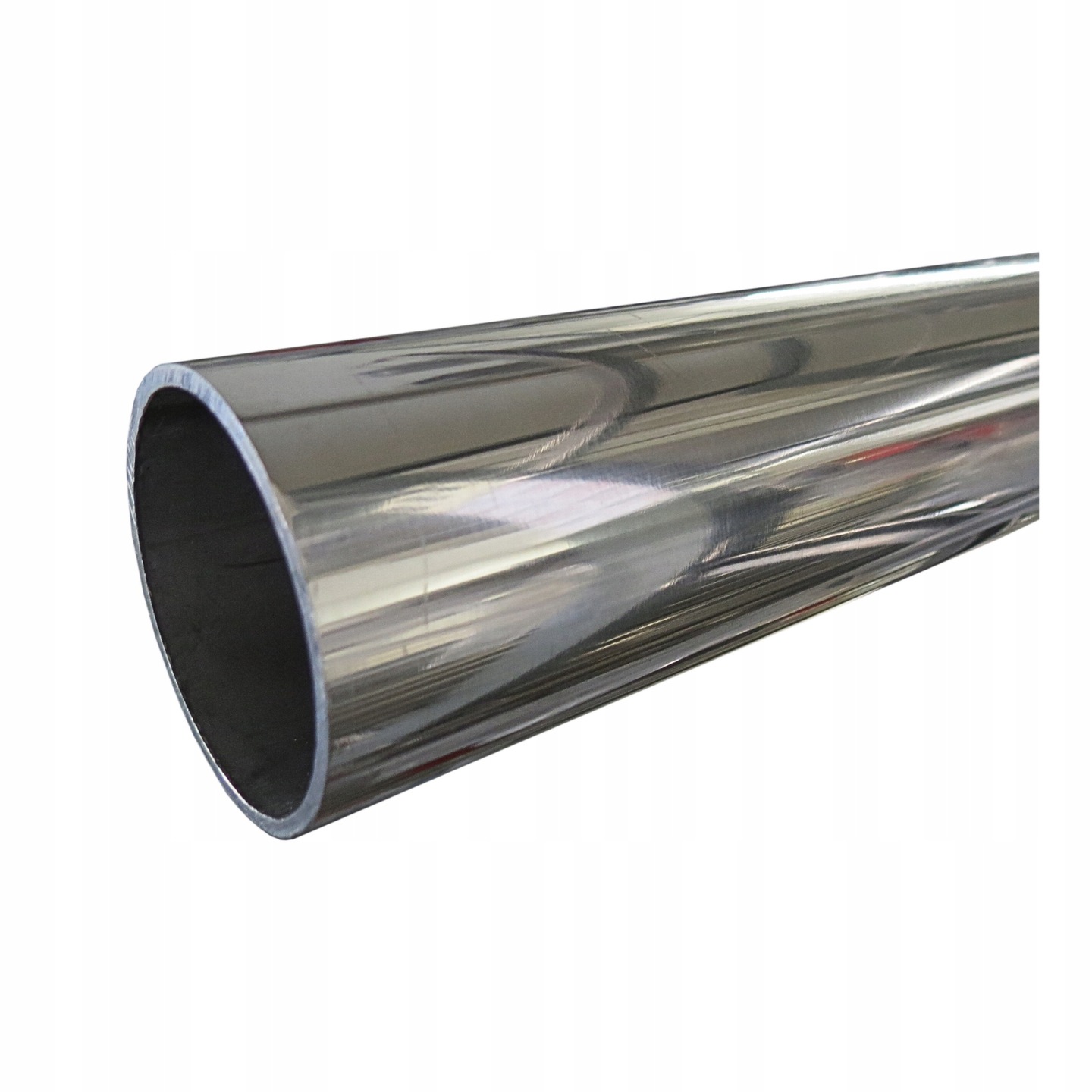
Rura 10x1 poler gat. 304
Only 1 m left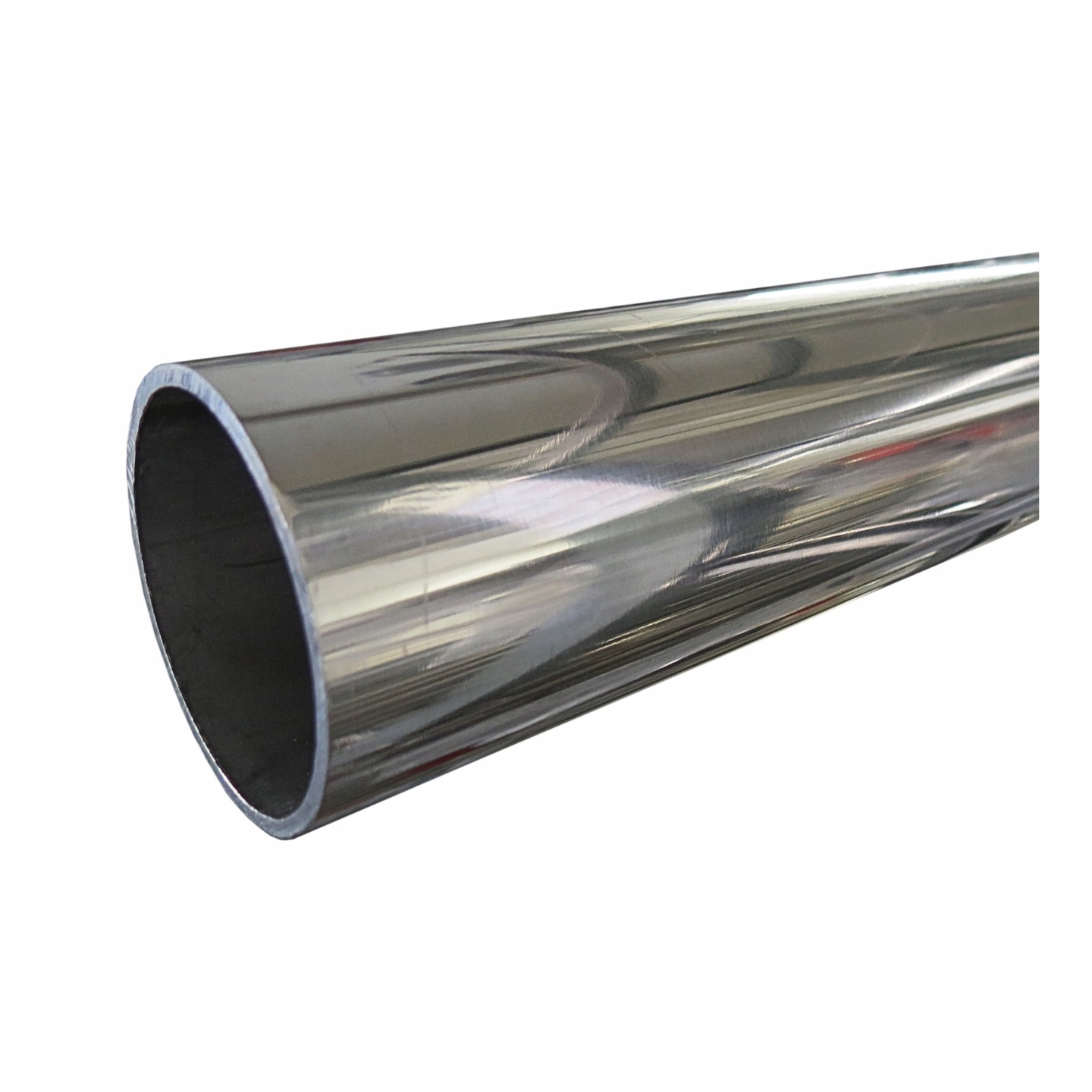
Rura 12x1,5 poler gat. 304
In stock · 788 m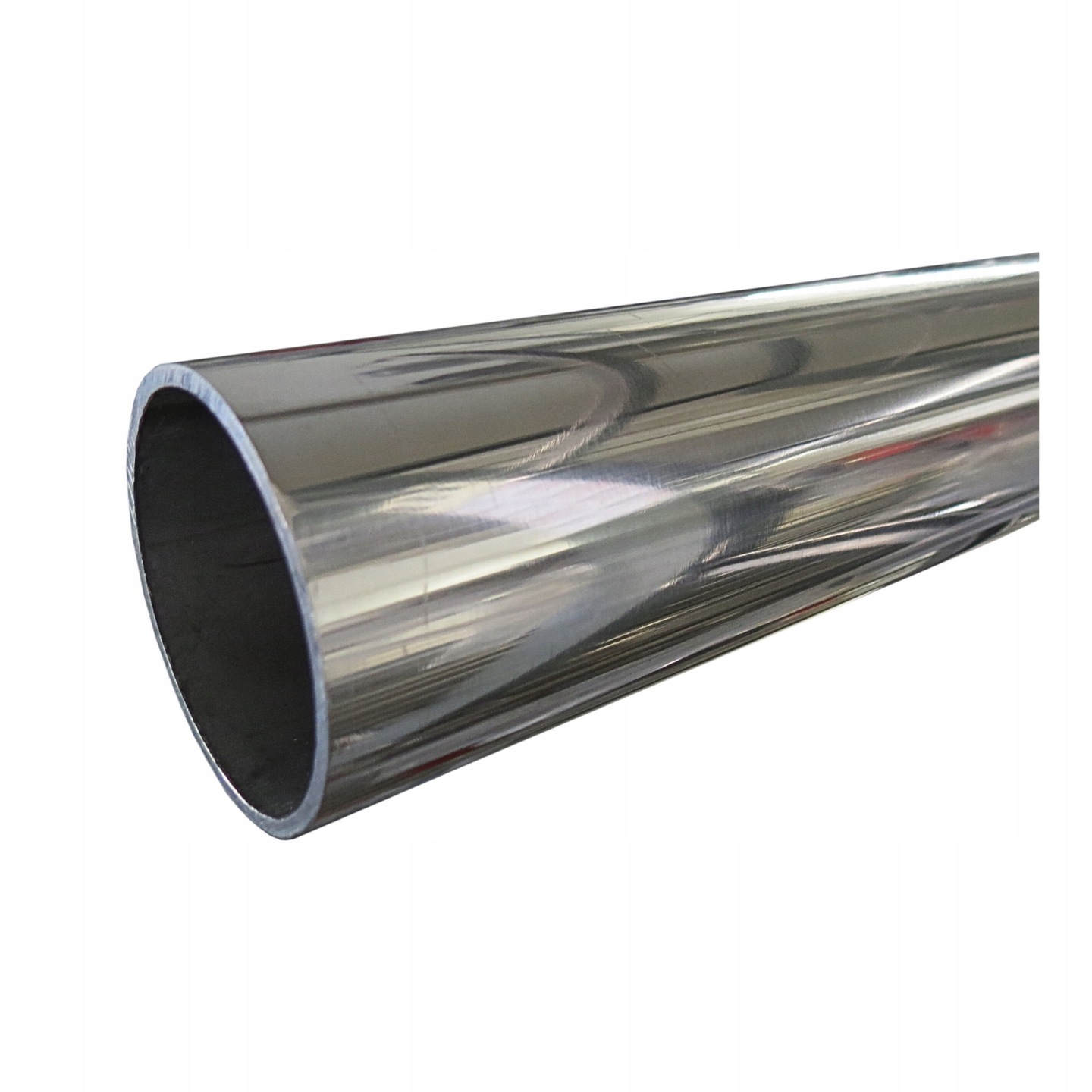
Rura 14x1,5 poler gat. 304
In stock · 109 m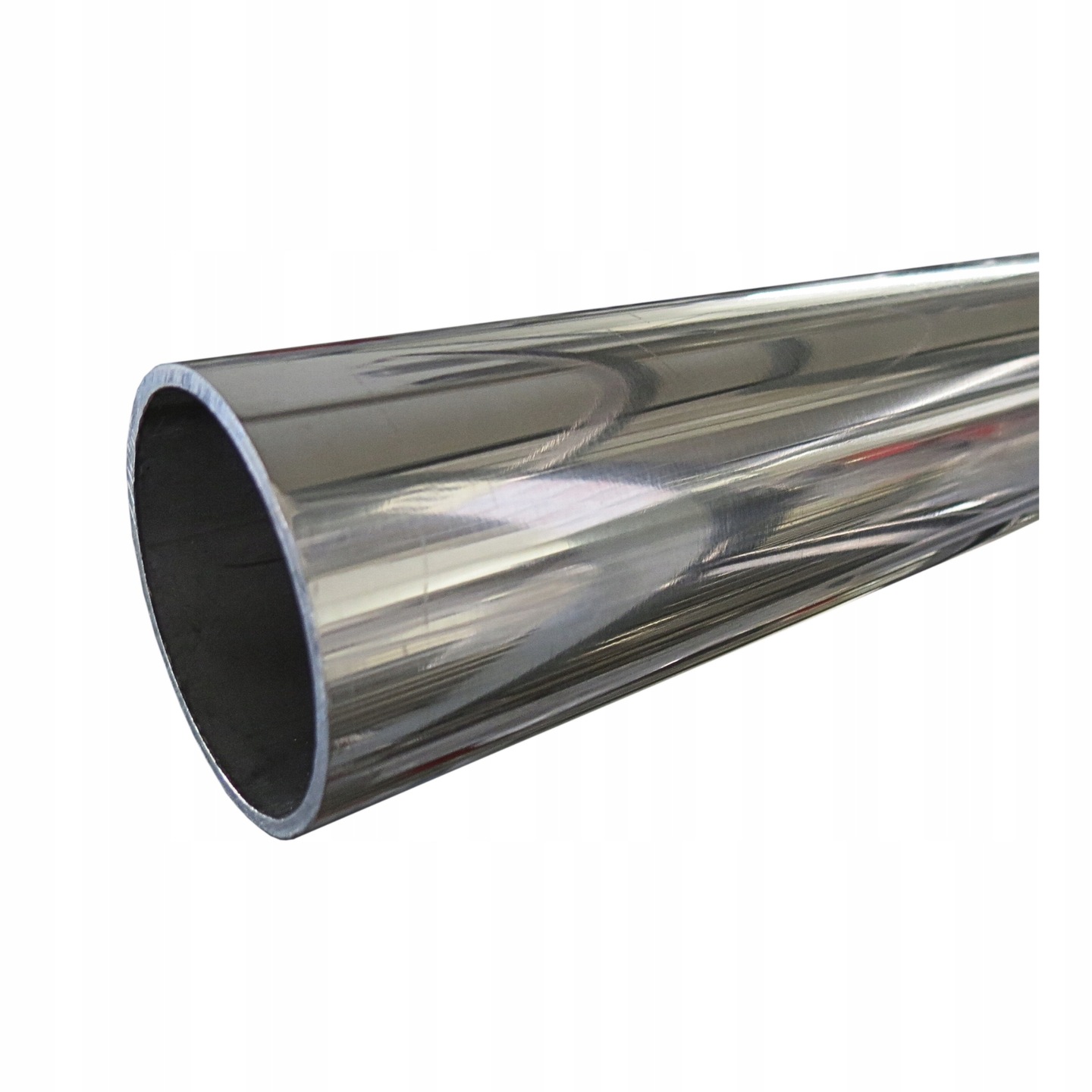
Rura 16x1,5 poler gat. 304
In stock · 1119 m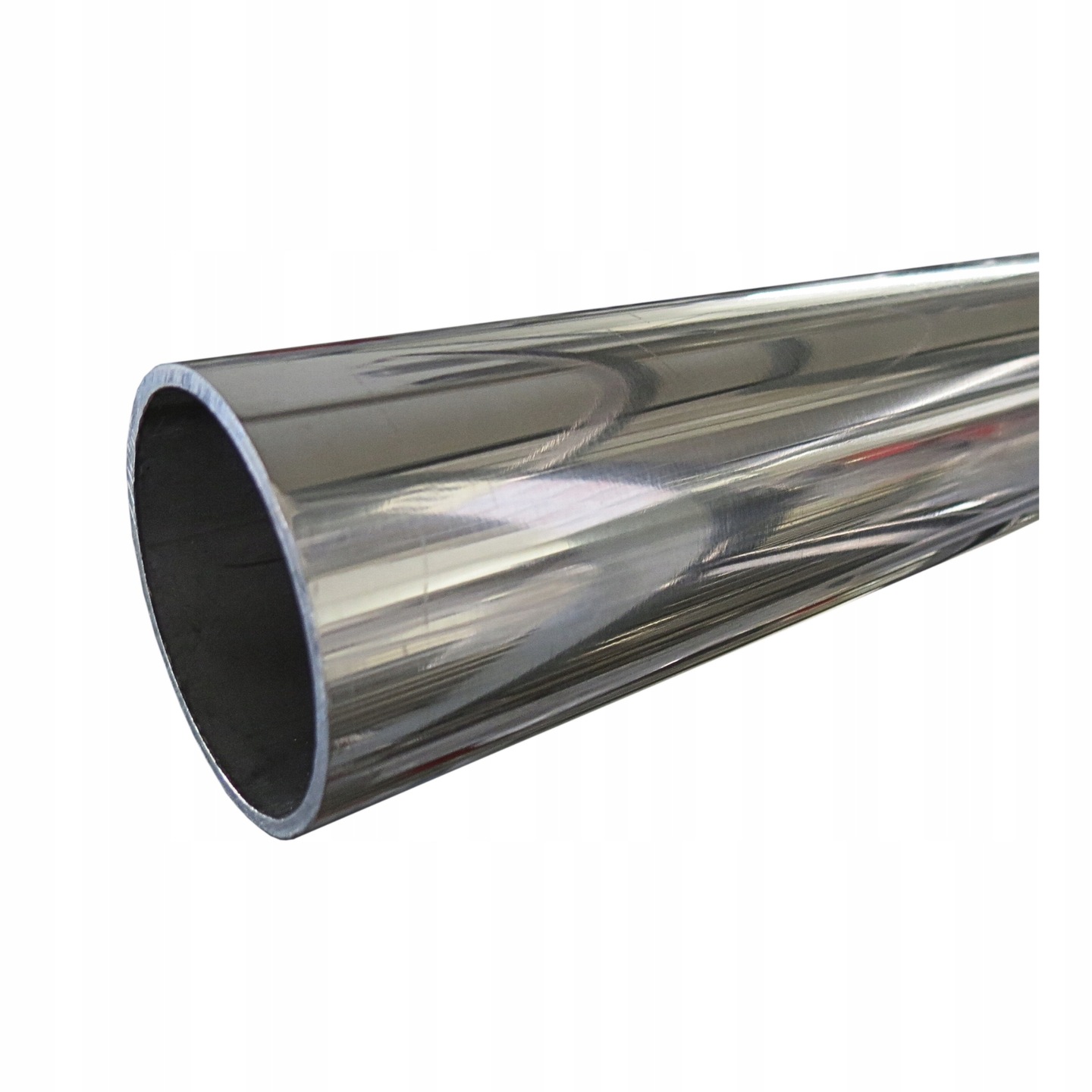
Rura 16x1,5 poler gat. 316
Only 2 m leftStainless steel sheet cut to size in your chosen finish
In our cut-to-size sheet calculator you choose the material, grade, finish and thickness, and enter the dimensions in mm. The lead time is up to 3 working days, or 4 working days for grade 316 in 0.5 and 1.5 mm. Sheet cut to size cannot be returned without giving a reason.
| Grade | Finish | Thicknesses in the calculator |
|---|---|---|
| 304 | SUROWA (2B) | 0.5–4 mm |
| 304 | POLER (BA) | 0.5–3 mm |
| 304 | SZLIF / SZCZOTKOWANA (brushed) | 0.5–3 mm |
| 304 | SUROWA (1D) | 5 and 6 mm |
| 316 | SUROWA (2B) | 0.5–3 mm |
| 430 | POLER (BA) | 0.5–3 mm |
Other products cut to size are described on our page about stainless steel cut to size. On request, we include a copy of the inspection certificate 3.1 (often called a 3.1 mill test certificate) free of charge where the manufacturer issues one for the product – tick ‘Add inspection certificate 3.1’ on the product page, or for the whole order in the basket (inspection certificate 3.1). For material cut to size, including sheet from the calculator, customer service confirms whether a certificate is available – tick the certificate option if it is offered, mention it in the order notes, or ask before you order. With a business account you see prices excl. VAT (Polish VAT at 23% is added on the invoice), and regular customers can agree an individual discount. All prices are in PLN, and we deliver within Poland only. Collection in person from Dębica or Mielec (Poland) is free of charge – details on our delivery page.
Blacha 0,5x1000x2000 2B+ folia gat. 304
In stock · 27 pcs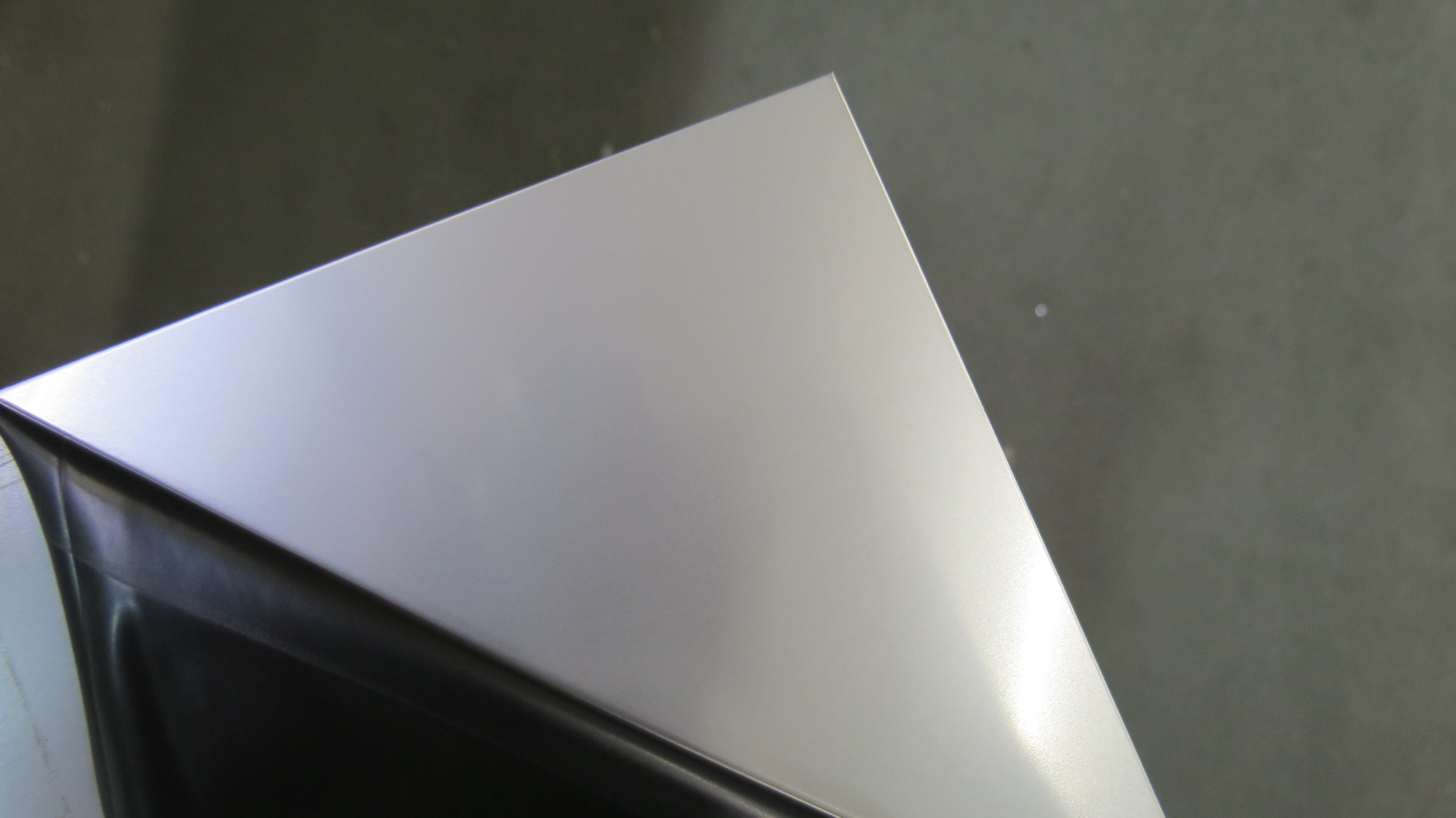
Blacha 0,5x1000x2000 2B+ folia gat. 316
Only 1 pcs left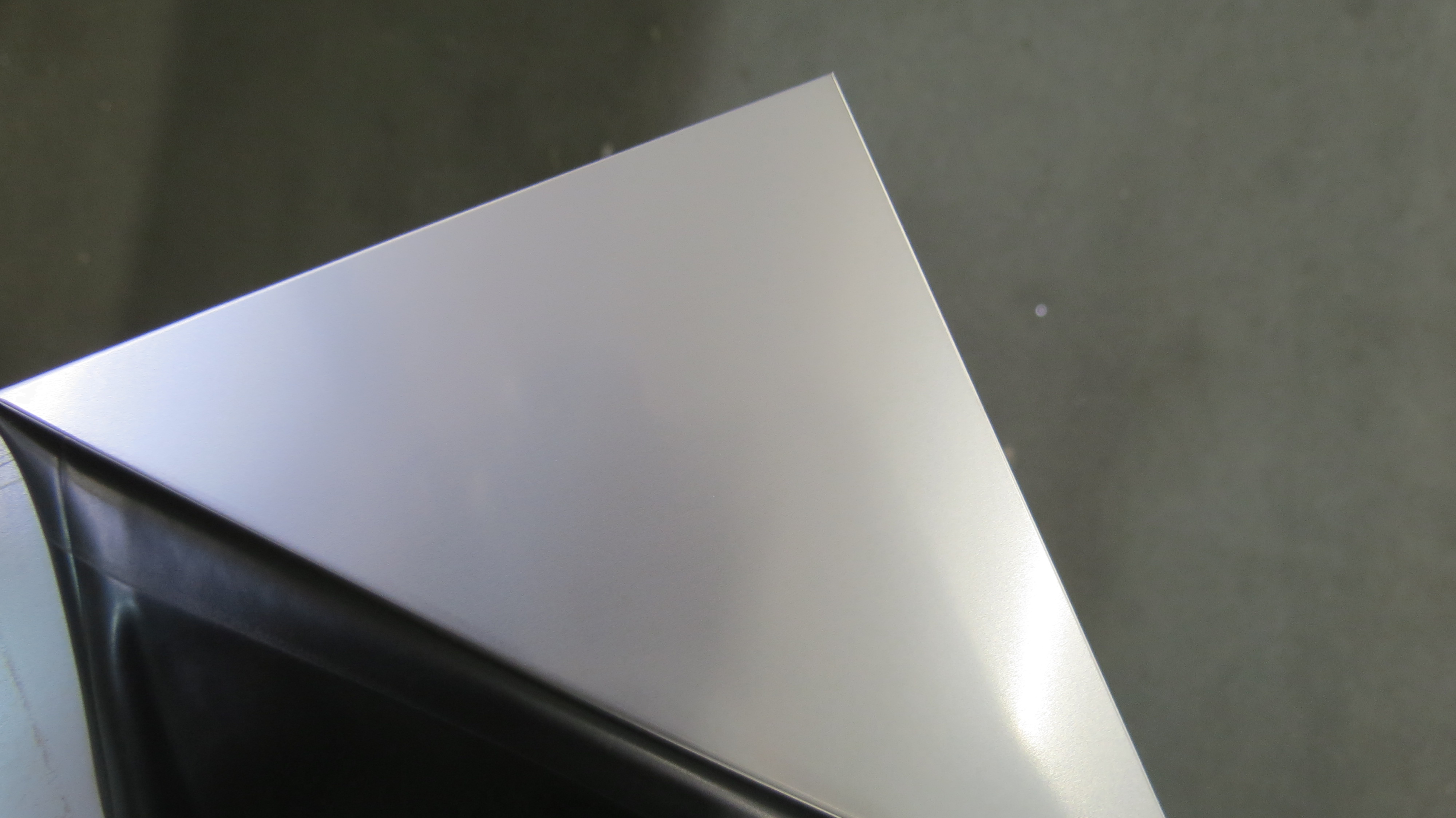
Blacha 0,5x1000x2000 2B+ folia gat. 316L
In stock · 5 pcs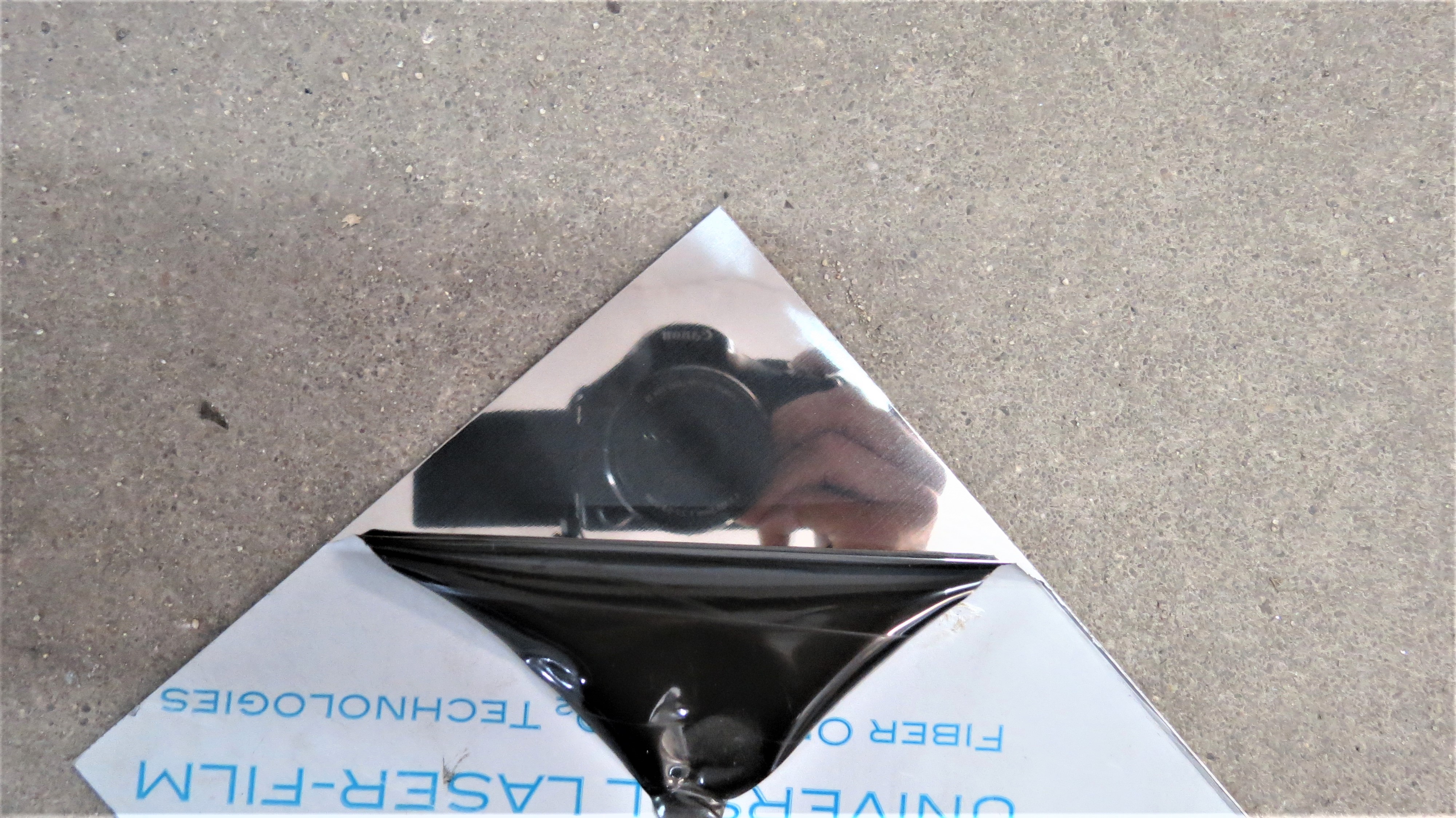
Blacha 0,5x1000x2000 BA+ folia gat. 304
In stock · 11 pcs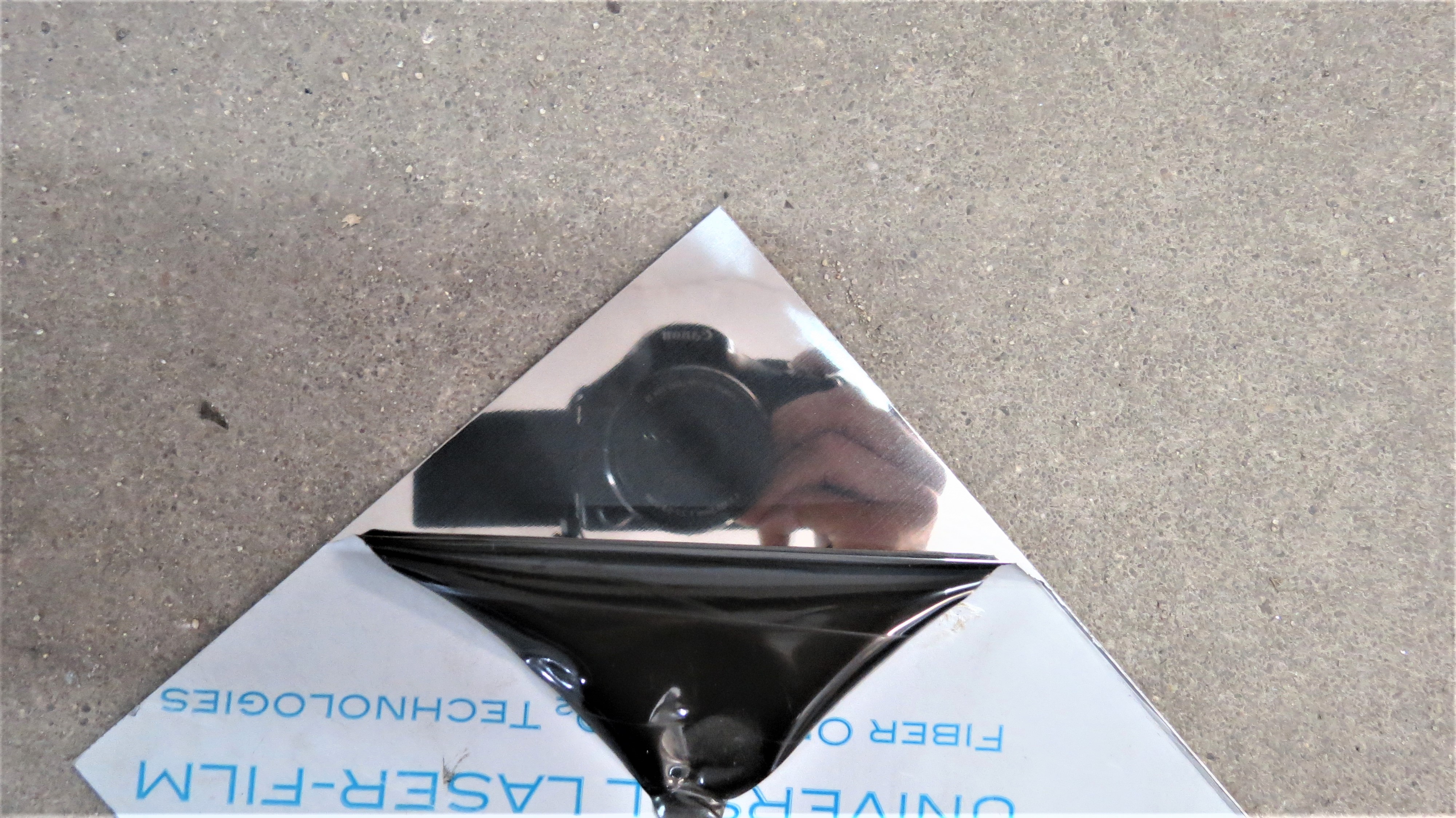
Blacha 0,5x1000x2000 BA+ folia gat. 430
In stock · 8 pcsBlacha 0,5x1000x2000 czarna DC01
Only 2 pcs leftBlacha 0,5x1000x2000 szlif+ folia gat. 304
In stock · 19 pcs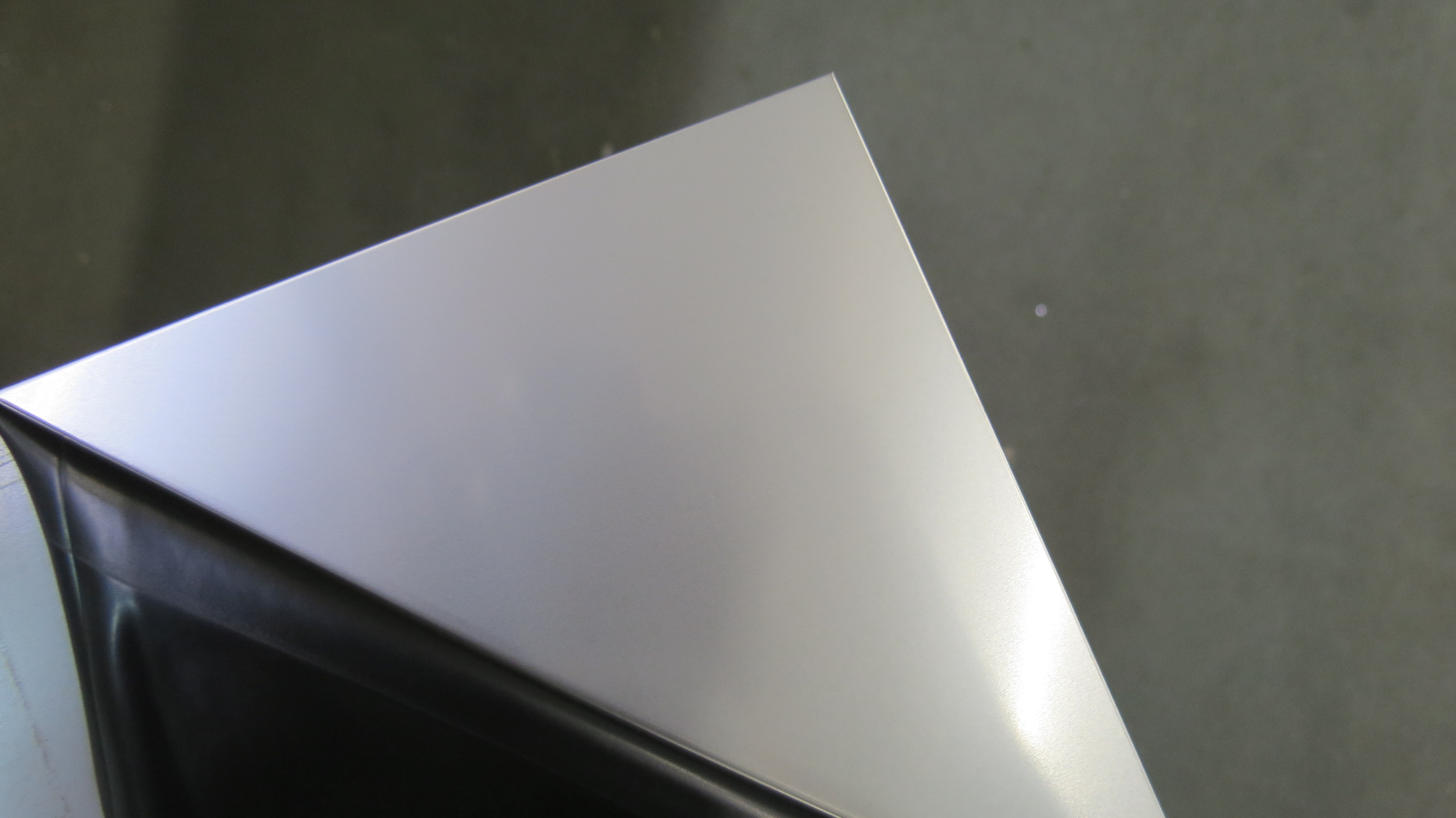
Blacha 0,6x1000x2000 2B+ folia gat. 304
In stock · 10 pcsAnother finish or surface treatment? Ask us
Our shop sells products in the finishes described above: SUROWA (2B), SZLIF / SZCZOTKOWANA (brushed) and POLER (BA), with hot rolled plate in 1D. If you need a different finish, such as a 2P mirror polish or a specific Ra value, see other machining and finishing services – ask us (page in Polish). In the enquiry form at the bottom of this page, describe the material, the dimensions and the result you need – ideally with a finish code, the required Ra value or a sample. We usually send a quote within one working day. For more on treating welds, see our page about welding stainless steel.
If you prefer to do the work yourself, our abrasives section includes Klingspor abrasive discs in 240 and 320 grit, Armes mounted wheels in Medium (P240) and Fine (P400–P600) grades, and polishing felts in the Polerowanie (polishing) category.
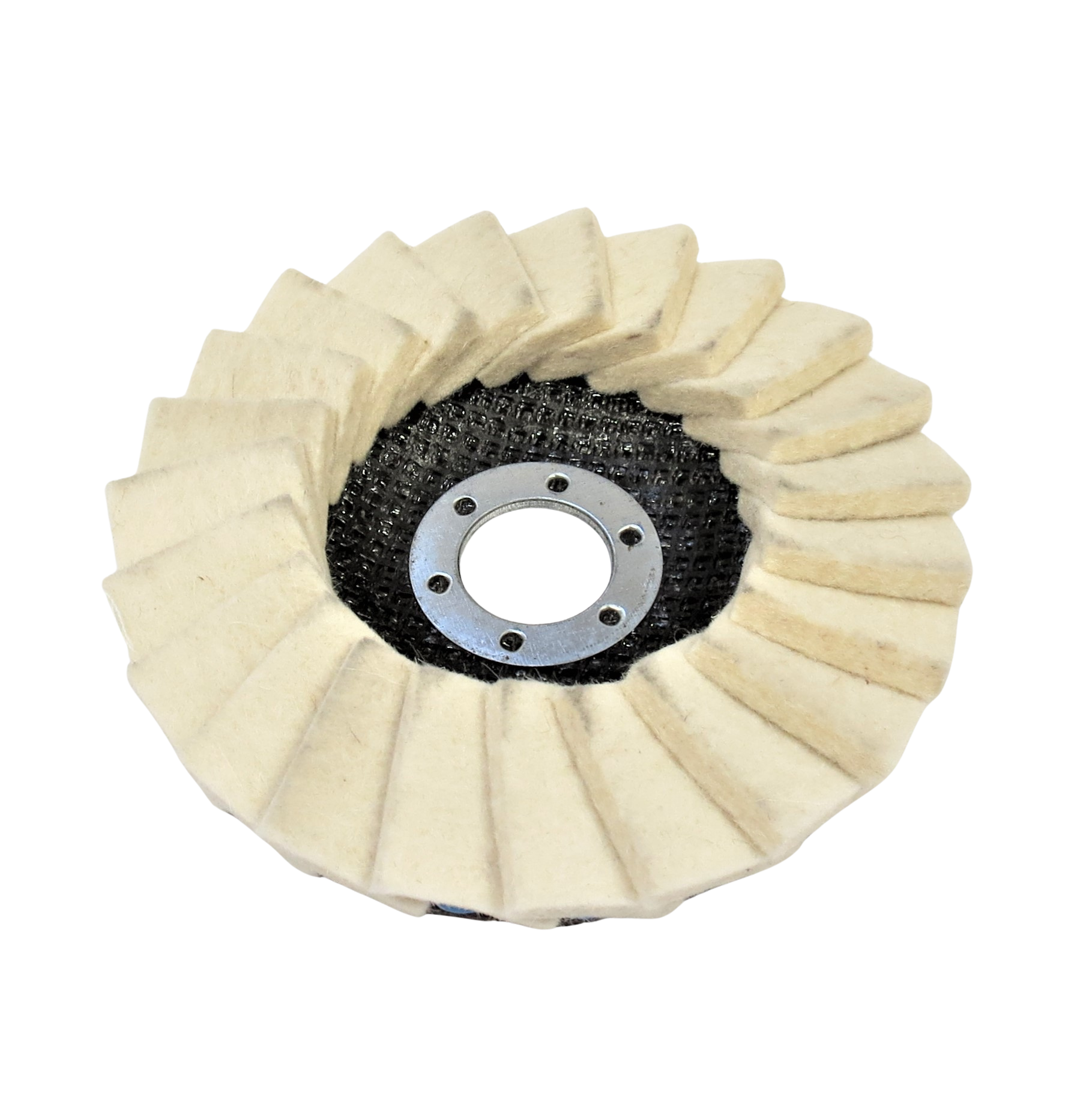
Dysk lamelowy z filcu 125x22 armes
In stock · 63 pcs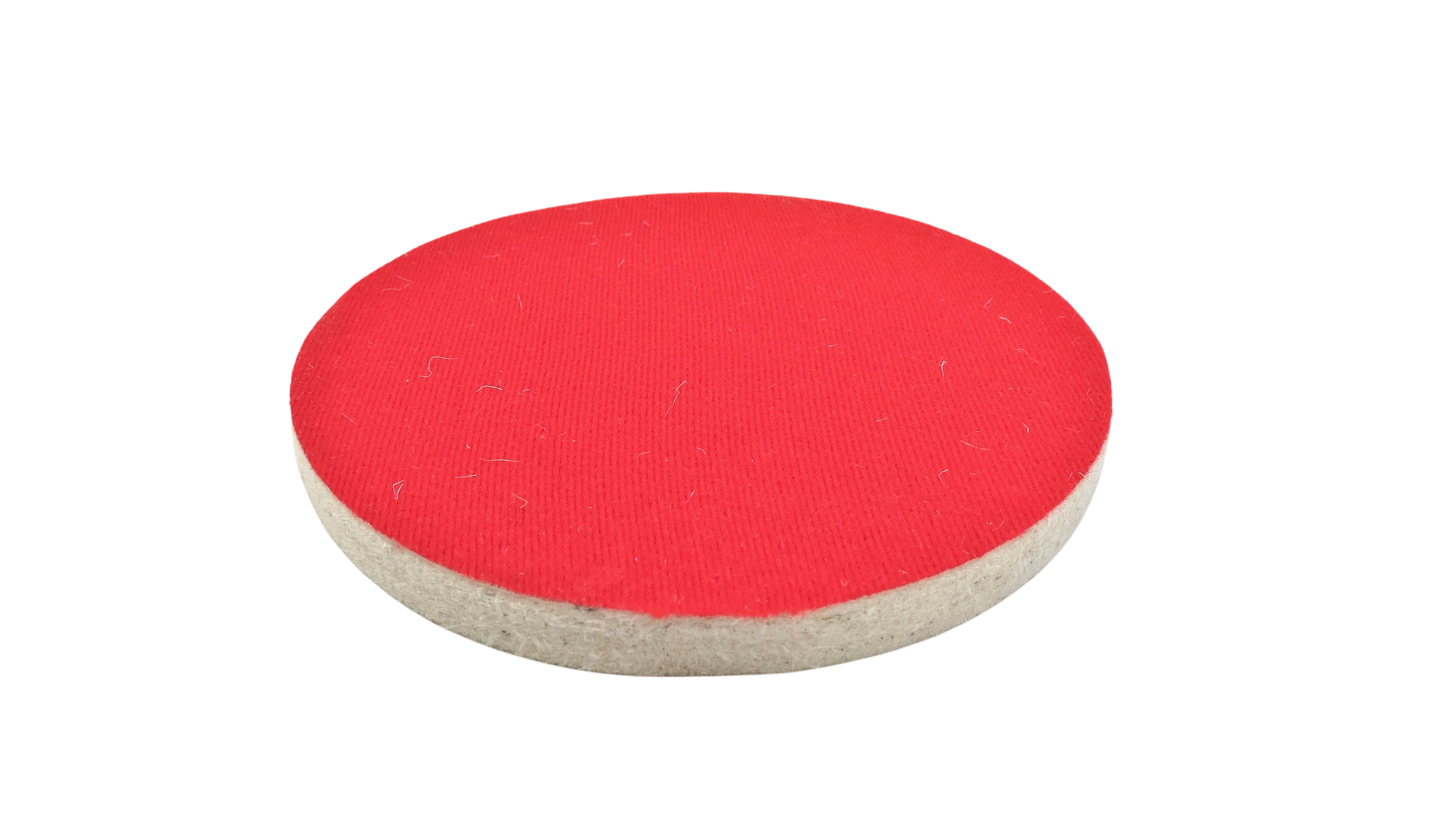
Filc polerski na rzep 125 10mm
In stock · 71 pcsFilc polerski na rzep 125 10mm czarny
In stock · 5 pcs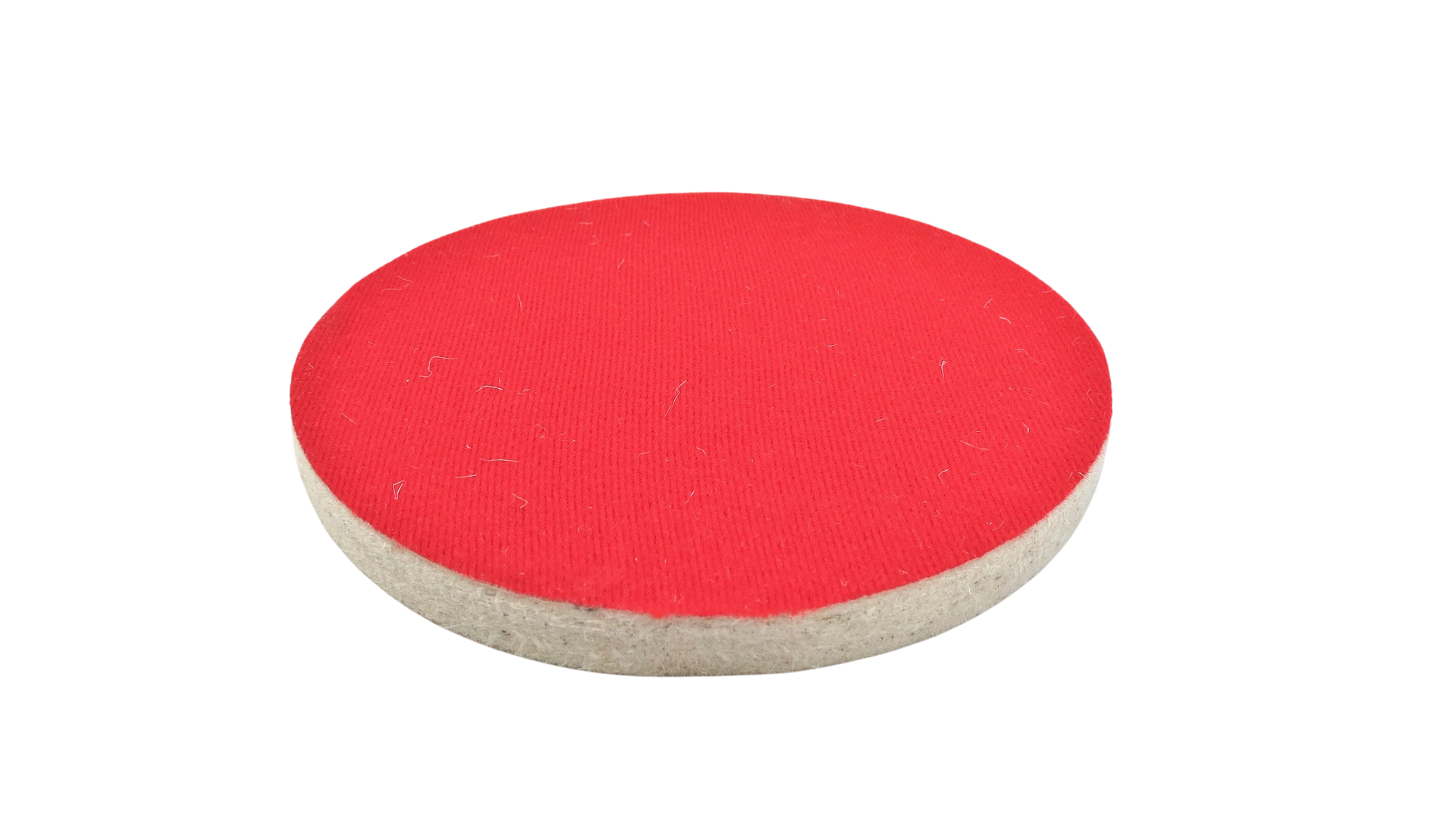
Filc polerski na rzep 125 5mm
In stock · 74 pcs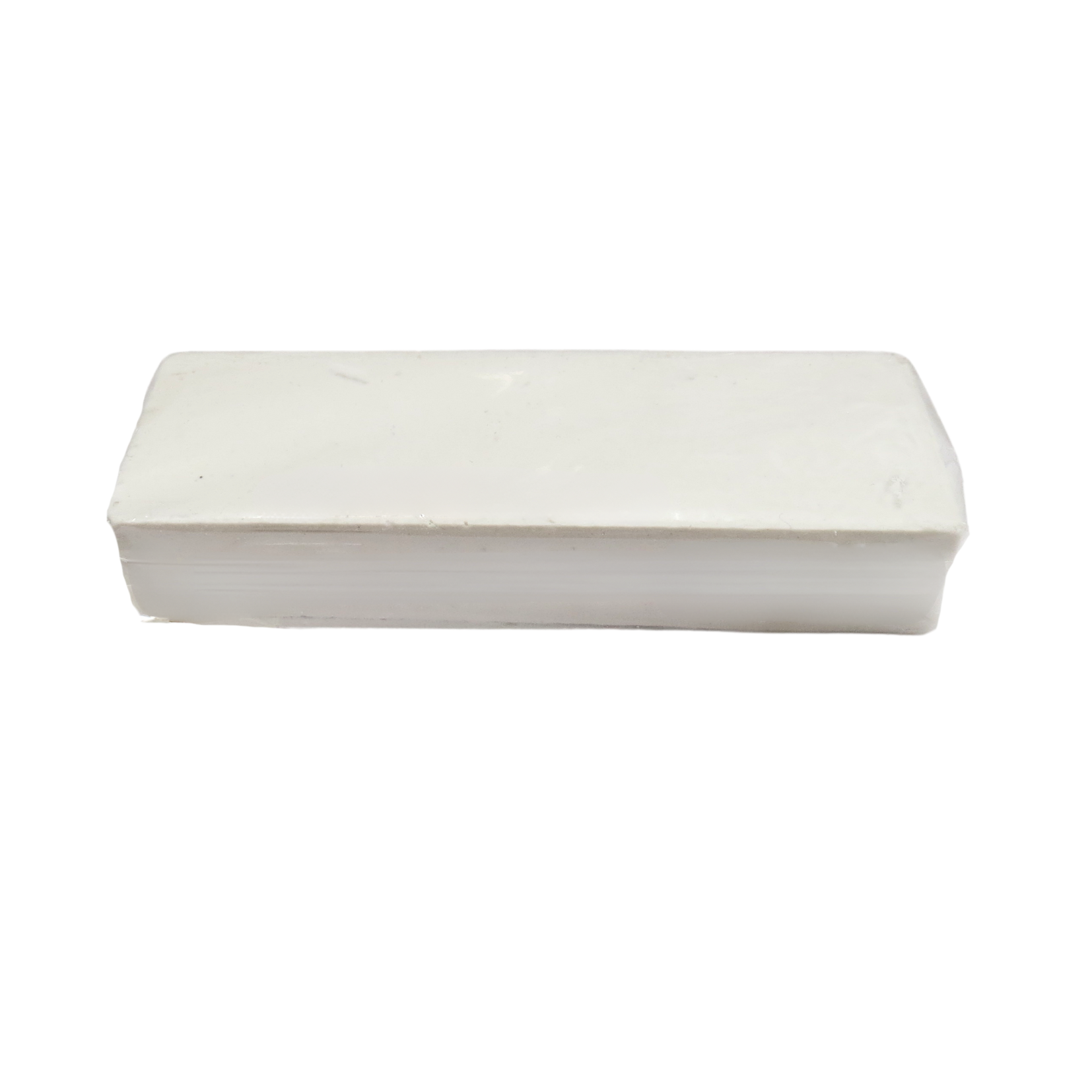
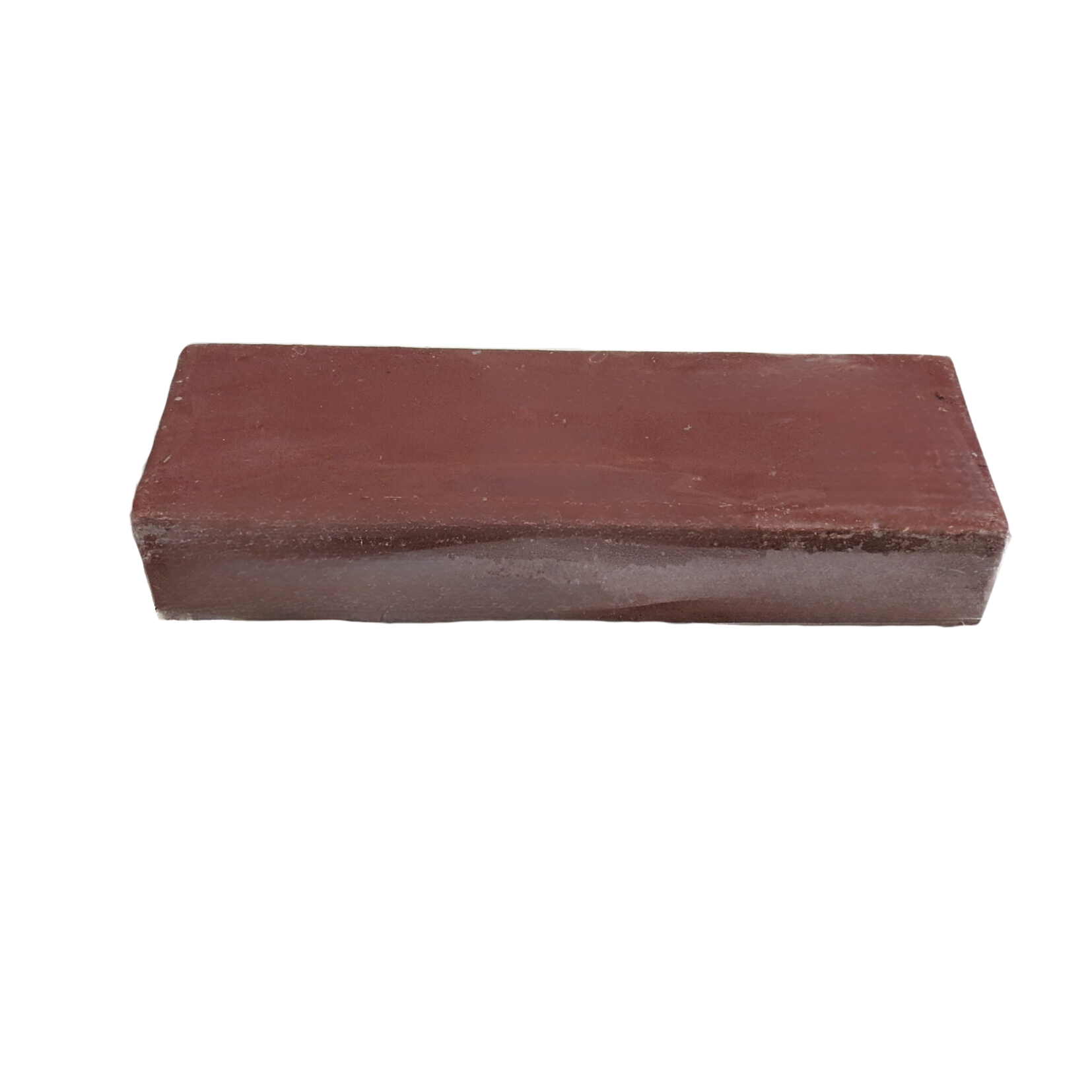
Pasta polerska 150GRAM/BIAŁA GR.1500
In stock · 27 pcsPasta polerska 150GRAM/CZERWONA GR.800
In stock · 29 pcs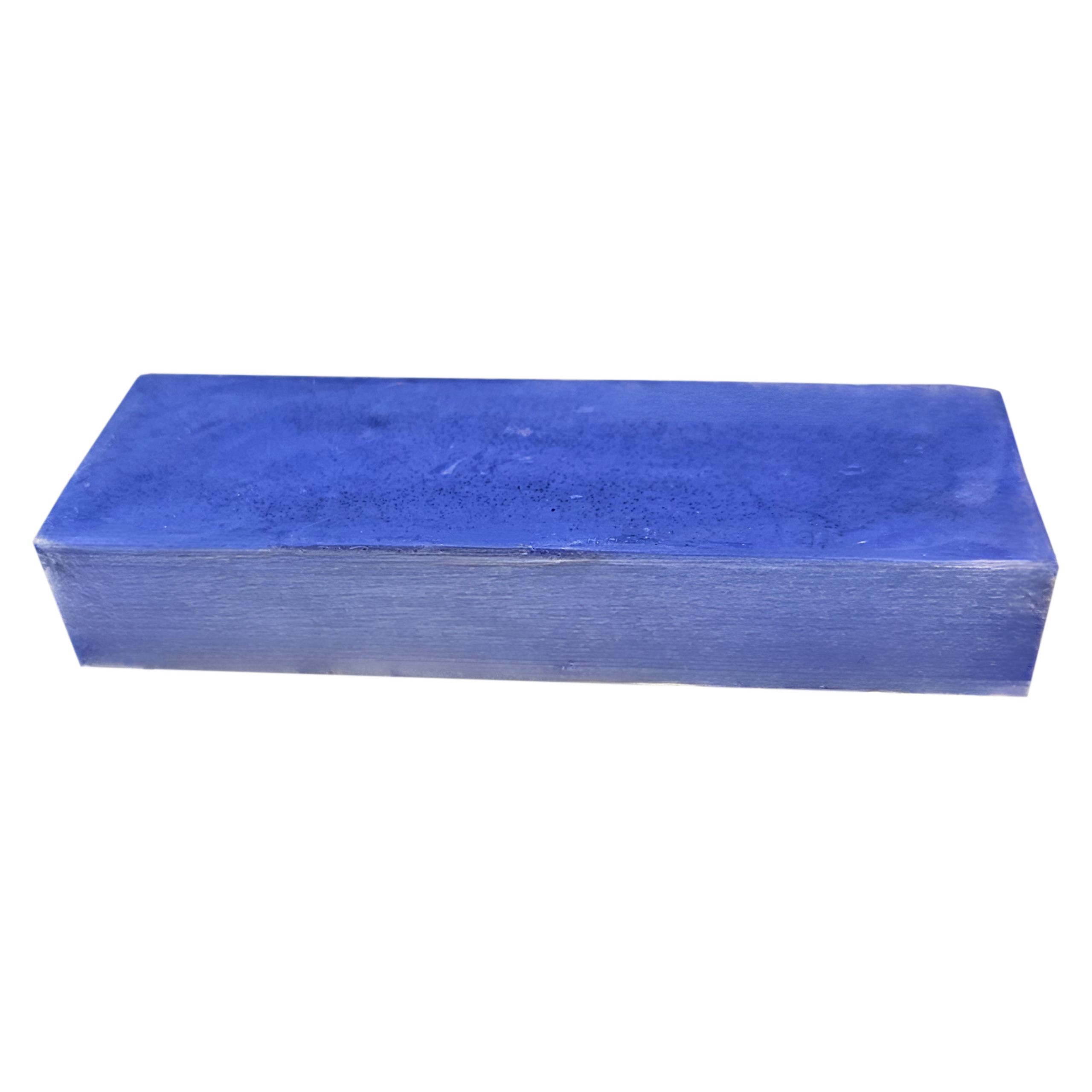
Pasta polerska 150GRAM/NIEBIESKA kostka GR.1000
In stock · 33 pcs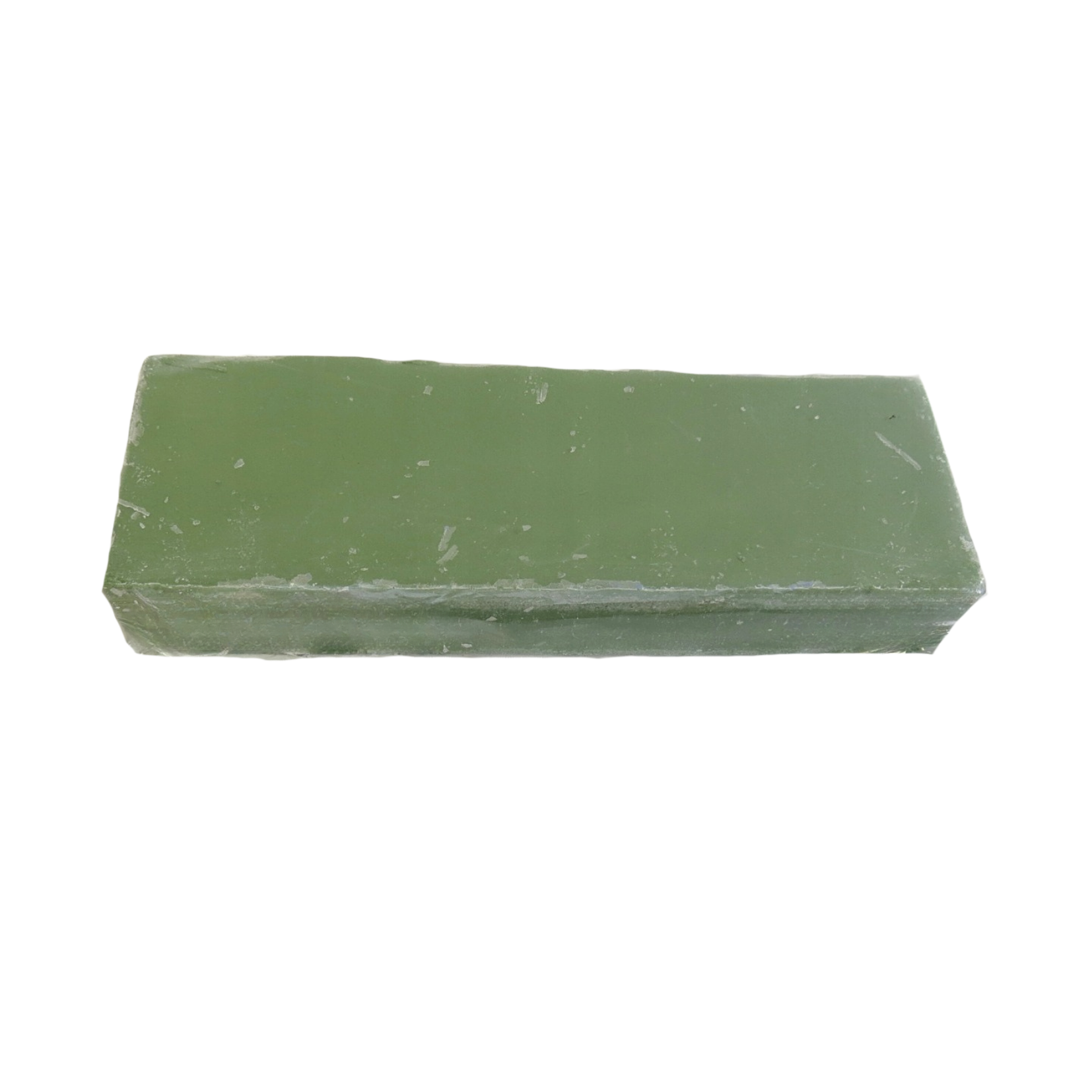
Pasta polerska 150GRAM/ZIELONA GR.1500
In stock · 60 pcsFrequently asked questions
What does a 2B finish on stainless steel mean?
2B is a finish to EN 10088-2: cold rolled, heat treated, pickled and given a light skin pass. It is smooth, dull grey and slightly reflective. ASTM A480 uses the same designation, 2B; the old DIN designation is IIIc (n).
What is the Ra value of a 2B finish?
Typically Ra 0.1–0.5 µm (BSSA) or 0.3–0.5 µm (ISER). The standard does not give an Ra value for 2B, so these are guide figures. If your project requires a specific Ra, state it as ‘Ra max’ and confirm it with customer service before ordering – the product descriptions in our shop do not state Ra.
What is the difference between 1D and 2B?
1D is hot rolled, rough and non-reflective (typically Ra 4–7 µm according to BSSA). In our range, that means plate 4–25 mm thick. 2B is cold rolled and smooth (Ra 0.1–0.5 µm), and our range covers 0.3–8 mm. 1D is typically used as a starting material for further processing.
Is BA sheet the same as mirror polished sheet?
BA (2R) is a bright, highly reflective mill finish produced by bright annealing, not by mechanical polishing. BSSA calls BA a ‘mirror’ finish, but in the standard a mechanically mirror polished finish is 2P (ASTM No.8). If you need a 2P mirror finish, describe your requirements in an enquiry – other machining and finishing services – ask us.
Ground, brushed or polished stainless steel – what is the difference?
Grinding (2G) removes material with an abrasive and leaves directional lines with low reflectivity. Brushing (2J) also leaves directional lines, but without any deliberate attempt to remove a surface layer. Polishing uses finer grits, and final buffing only smooths the surface – all the way to a mirror finish (2P). In our shop, ground and brushed are one finish: SZLIF / SZCZOTKOWANA.
What Ra does a 240 or 320 grit finish (K240, K320) give?
If the figure refers to 240 or 320 grit, ISER (MB 984) gives an approximate Ra of 0.38 µm for 240 grit and 0.30 µm for 320 grit. Confirm what the description means with your supplier. The actual Ra depends on the abrasive, how worn it is, the contact pressure and the direction of measurement – 240 grit on alumina can give about Ra 0.6 µm, and on silicon carbide about Ra 0.3 µm.
What is a No.4 (#4) finish, and how does it compare with 2B?
No.4 is the ASTM A480 designation for a brushed or dull polished finish. It corresponds approximately to 2J in EN 10088-2 and to 3B in BS 1449. According to ISER, the Ra of No.4 is typically up to about 0.6 µm. 2B, by contrast, is a mill finish (typically Ra 0.1–0.5 µm), not a mechanical one. We do not label products as No.4 in our shop – the brushed finish is called SZLIF / SZCZOTKOWANA. If your specification calls for No.4, confirm it with customer service before ordering.
Which finish should I choose for an outdoor balustrade?
A smooth finish, with the lines running vertically. ISER recommends stating ‘Ra max 0.5 µm’ in the order for handrails and hollow sections. Outdoors, 1K/2K performs better than 1J/2J, and in more corrosive environments, choose grade 1.4401/1.4404. Confirm the required Ra of material from our shop with customer service before ordering.
Not sure which finish to order? Call customer service on +48 533 251 824 (Monday to Friday, 7am to 3pm Polish time) or email bok@jannierdzewny.pl. Other details are on our contact page. We currently deliver within Poland only, and prices are in Polish złoty (PLN).
Need a different size, a larger quantity or cutting services? Send us an enquiry and we will reply with a quote, usually within one working day.